Lede
Imagine reaching for a drink each evening, thinking it will quiet the racing thoughts or ease the knot of worry in your stomach. At first, it seems to help—you drift off to sleep more easily, or the sharp edges of anxiety soften for a while. But over time, you notice the mornings bring heavier fog, the moods swing wider, and that temporary calm starts to demand more and more alcohol just to show up. What began as a simple way to unwind reveals itself as something deeper, where mental health struggles and alcohol use feed into each other, making everything feel twice as hard to handle. This is the reality of dual diagnosis, a term that captures when addiction and mental illness overlap, often in ways that sneak up on you. If you’re reading this because you’re caught in that cycle, or if you’re a family member watching someone you care about slip further away, know that recognising this pattern is a strong first step. Treatment exists that addresses both sides at once, offering a path out that’s built on understanding rather than judgement.
What Dual Diagnosis Means
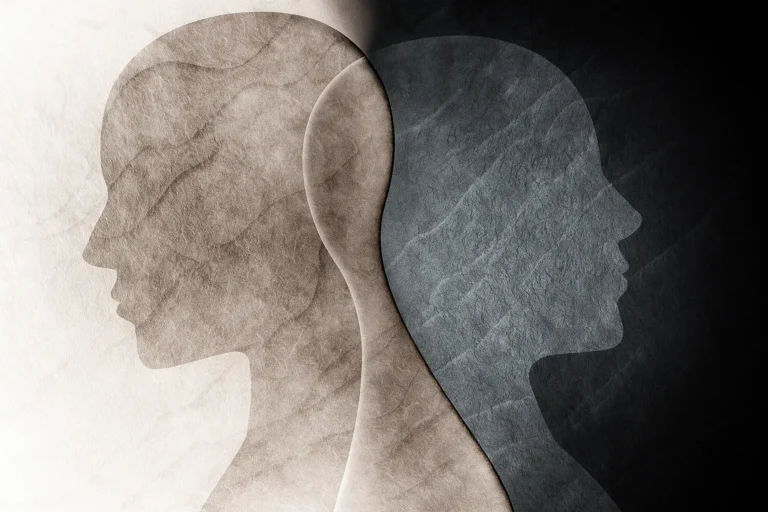
Dual diagnosis refers to the situation where someone experiences both a mental health disorder and a substance use disorder at the same time. It’s not just one problem layered on top of another; they interact, often making each other worse. For instance, someone might start drinking to cope with depression, only to find that the alcohol and depression deepens the low moods and adds new layers of guilt or isolation. Mental health issues like anxiety, depression, or post-traumatic stress disorder commonly pair with alcohol dependence, but it can involve other substances too.
Experts estimate that around half of people with a substance use disorder also have a mental health condition, and the reverse is true as well. This overlap isn’t random—brain chemistry plays a big role. Alcohol affects neurotransmitters, the chemicals that help regulate mood and behaviour. When used regularly to self-medicate, it can disrupt these systems, turning a short-term fix into a long-term complication.
The Chicken-and-Egg Trap
One of the trickiest parts of dual diagnosis is figuring out which came first: the mental health issue or the substance use. Does alcohol fuel mental illness, or does the illness drive someone to drink? Often, it’s a bit of both, creating a loop that’s hard to untangle. Take anxiety, for example. Someone might feel constant worry, leading them to drink for relief. But alcohol and anxiety cycle can spike anxiety levels, making the original problem seem even bigger. Over time, the brain adapts to the presence of alcohol, so stopping brings intense discomfort that mimics or worsens mental health symptoms.
In some cases, mental illness starts the cycle. A person with untreated bipolar disorder might use alcohol during manic phases to slow down racing thoughts, but this can trigger depressive episodes that feel unbearable without more drinking. On the flip side, heavy alcohol use can lead to mental health problems. Chronic drinking alters brain structure, increasing the risk of depression or even psychosis in severe cases. Research shows that prolonged alcohol exposure reduces serotonin levels, a key player in mood stability, which can spark or intensify depressive disorders.
This trap isn’t just theoretical; it shows up in real lives. Consider a stylised example: Alex, a 35-year-old teacher, began noticing sleep troubles after a stressful job change. He started having a beer or two before bed to unwind. Soon, the beers became a nightly ritual, but his anxiety grew—waking up with heart palpitations and dread. Was the anxiety always there, masked by work routines, or did the alcohol create it? Doctors later explained it as a feedback loop: the alcohol suppressed anxiety temporarily but rebound effects made it surge back stronger. Breaking free meant treating both, not guessing at the origin.
Clinical insights highlight that genetics can influence this dynamic. If there’s a family history of mental illness or addiction, the risk rises. Environmental factors, like trauma or chronic stress, add fuel. The key takeaway? Pinpointing the “first cause” isn’t always necessary for recovery; integrated care focuses on interrupting the cycle wherever it stands.
Alcohol rehab in Thailand may be an option for those seeking structured residential care. Learn more about treatment at Siam Rehab.
Warning Signs
Spotting dual diagnosis early can make a difference, but the signs often blend together, making them easy to miss or dismiss. If you’re using alcohol to manage anxiety or sleep, watch for changes in how it affects you. Perhaps the amount needed to feel calm keeps increasing, or hangovers bring not just headaches but overwhelming sadness or irritability that lingers for days.
Common warning signs include mood swings that feel out of proportion—going from euphoric while drinking to deeply low afterwards. Sleep patterns might shift dramatically: alcohol helps you fall asleep but wakes you up in the middle of the night with racing thoughts. Physical symptoms like tremors, sweating, or nausea during sober periods could signal withdrawal, which often amplifies mental health issues.
Behaviour changes are another red flag. You might withdraw from friends or family, preferring solitude with a drink, or find yourself making excuses for missed work due to “bad nights.” Memory lapses, poor concentration, or sudden anger outbursts can point to the interplay between substances and mental health.
For families, these signs might appear as inconsistency: promises to cut back that don’t stick, or denials about problems despite clear evidence. A loved one might seem more paranoid or hopeless than before, attributing it to stress when alcohol is involved. If severe withdrawal hits—things like confusion, seizures, or hallucinations—seek emergency help immediately, as this can be life-threatening. For alcohol poisoning, signs like vomiting, slow breathing, or unconsciousness require urgent medical attention; call for help without delay.
A practical tool to help spot these patterns is a simple daily mood tracker. For one week, jot down on a notebook or phone app: What time did you drink? How much? How did your mood feel before and after? Note any anxiety spikes or low points. This isn’t about judging; it’s about seeing connections. For example, if evenings without alcohol bring intense worry, it might reveal how the two are linked. Share this with a doctor for clearer insights.
Risks + Integrated Treatment in 2025
The risks of untreated dual diagnosis are serious and build over time. Physically, combining mental health struggles with alcohol use heightens chances of liver damage, heart problems, or weakened immunity. Mentally, it can lead to deeper depression, increased suicide risk, or cognitive impairments like difficulty making decisions.
Socially, relationships strain—family arguments escalate, jobs become unstable, and isolation grows. Legal issues, like driving under influence, add complications. In 2025, with rising awareness, risks also include interactions with new medications or therapies; untreated dual diagnosis can make standard treatments less effective.
Integrated treatment tackles both conditions simultaneously, rather than sequentially. This approach, backed by organisations like the World Health Organization, uses teams of professionals—psychiatrists, counsellors, and addiction specialists—who collaborate on a personalised plan. Therapy might include cognitive behavioural techniques to rewire thought patterns around anxiety and drinking.
Medications play a role too, but only under medical supervision. For anxiety, non-addictive options help stabilise mood without relying on alcohol. Detox, if needed, manages withdrawal safely. Holistic elements, like exercise or mindfulness, support overall well-being.
In 2025, advancements include telehealth for ongoing support and AI-assisted monitoring for relapse prevention. But the core remains human connection—group sessions where people share experiences, reducing shame. A stylised case: Maria, 42, used wine to dull PTSD flashbacks from a car accident. Separate treatments failed; anxiety meds clashed with her drinking. Integrated care revealed the links, combining trauma therapy with sobriety tools. Over months, flashbacks lessened, and sleep improved without alcohol.
Clinical insights emphasise early intervention. Studies from the Substance Abuse and Mental Health Services Administration show integrated programs reduce hospital readmissions by up to 50%. Recovery isn’t linear, but with consistent care, people rebuild resilience.
Siam Rehab’s Dual-diagnosis Care
At Siam Rehab, a private, Canadian-owned rehab in northern Thailand’s Chiang Rai area, dual-diagnosis care is woven into the fabric of their approach. The nature campus provides a serene backdrop, with a fitness-forward day structure that encourages physical activity as part of healing both mind and body.
Their evidence-based, non-12-step core includes holistic supports, ensuring mental health and addiction are addressed together. Medical detox is available, overseen by the Medical Director, Dr Mark, with all detox medications requiring approval for safety.
Programmes range from 4 weeks up to 1 year, designed with adult-respectful admissions—no forced clients, and personal phones are not confiscated, allowing connection to support networks. Many counsellors are in recovery themselves, bringing empathy and real-world understanding to sessions.
Alumni benefit from an online aftercare community, fostering long-term connections. For those exploring options like alcohol addiction treatment in Thailand, this integrated model offers a balanced path forward.
Guidance for Families
If you’re a family member, watching someone navigate dual diagnosis can feel overwhelming—like walking on eggshells, unsure how to help without pushing them away. Start by educating yourself; understanding that it’s not a choice but a complex interplay can reduce blame.
Open conversations matter, but time them wisely—avoid when they’re intoxicated. Use “I” statements: “I notice you’ve seemed more anxious lately, and I’m worried.” Offer support without ultimatums, perhaps suggesting a joint doctor visit.
Set boundaries for your own well-being; enabling behaviours, like covering up absences, can prolong the cycle. Seek your own counselling—groups like Al-Anon provide tools for coping.
In crises, prioritise safety. If withdrawal symptoms escalate, encourage medical help. Remember, recovery involves the whole family; healing together strengthens bonds.
A stylised example: Tom’s wife saw his evening drinks turn into isolation and mood dips. She researched dual diagnosis, then gently shared articles. Together, they attended an info session, leading to treatment. Her patience modelled hope.
72-Hour Action Plan + Myths vs Facts
To kickstart change, try this 72-hour action plan—a micro-commitment series tailored for dual diagnosis awareness. Hour 1-24: Track your alcohol intake and moods hourly if possible, noting triggers like stress. Avoid drinking if safe; if withdrawal feels severe, contact a doctor.
Hour 25-48: Reach out—call a helpline or confide in a trusted person. Research one treatment option, jotting pros and cons.
Hour 49-72: Try a non-alcohol coping tool, like a 10-minute walk or deep breathing. Reflect: What felt different?
This plan builds momentum without overwhelm.
Myths vs Facts: Myth—Dual diagnosis means you’re “crazy.” Fact—It’s a common medical condition, treatable like diabetes.
Myth—You must hit rock bottom. Fact—Early help improves outcomes.
Myth—Mental health fixes addiction. Fact—Both need addressing; ignoring one risks relapse.
Clinical data from the National Institute on Drug Abuse supports these facts, showing integrated care boosts recovery rates.
References
- Substance Abuse and Mental Health Services Administration — https://www.samhsa.gov/find-help/disorders
- World Health Organization — https://www.who.int/health-topics/mental-health#tab=tab_1
- National Institute on Drug Abuse — https://nida.nih.gov/publications/research-reports/common-comorbidities-substance-use-disorders/why-there-comorbidity-between-substance-use-disorders-mental-illnesses
- American Psychiatric Association — https://www.psychiatry.org/patients-families/addiction-substance-use-disorders/what-is-a-substance-use-disorder
- Centers for Disease Control and Prevention — https://www.cdc.gov/alcohol/fact-sheets/alcohol-use.htm