For many people, marijuana is often perceived as a harmless recreational drug – a natural plant with minimal risk. For a growing number of individuals and their families, the lived reality is different. Use can shift from occasional to compulsive and begin affecting health, relationships, motivation, and day-to-day functioning. This article outlines how marijuana addiction can develop, what it can look like in practice, and how treatment planning can support recovery. For broader context on treatment planning across substances, see treatment planning for drug dependence. For readers comparing standards and quality indicators in structured care, how to evaluate drug rehab in Thailand provides additional guidance.
The Myth of Harmless Use: When Casual Becomes Compulsive
The perception of marijuana has shifted in recent decades. Legalization, commercialization, and cultural acceptance have contributed to the belief that cannabis is largely benign. That belief often misses a key point: marijuana can be addictive. For some, what begins as occasional use for relaxation or social ease gradually becomes daily use, then a routine that is difficult to interrupt. Over time, this can contribute to reduced motivation and a narrowing of attention to short-term relief rather than long-term goals.
The idea that marijuana is not addictive is one of the most persistent myths. While it may not produce the same rapid physical dependence pattern associated with opioids, it can lead to clinically significant psychological dependence. Some commonly cited estimates suggest that about 9% of people who use marijuana develop dependence, rising to about 17% for those who begin in their teens and to 25-50% among daily users. Regardless of the exact percentage, the practical issue is that many people experience repeated unsuccessful attempts to reduce use or stop, even when they recognize negative consequences.
Potency is also a relevant factor. Modern cannabis products can contain substantially higher THC concentrations than products that were common decades ago. Higher potency can accelerate tolerance, increase withdrawal discomfort, and intensify unwanted psychological effects for some users. Many people do not recognize the difference in dose exposure and may assume the risks have not changed.
Loss of motivation, sometimes described as “amotivational syndrome,” can be a sign of problematic use. People may become less interested in work, school, relationships, or hobbies, and more focused on using marijuana or recovering from its effects. This is not simply a preference shift. It can reflect changes in reward processing and coping patterns that make everyday responsibilities feel less tolerable. Persistent procrastination, missed appointments, declining performance, and reduced planning for the future can indicate a pattern that warrants professional support.
How Marijuana Affects the Brain: THC, Memory, and Concentration
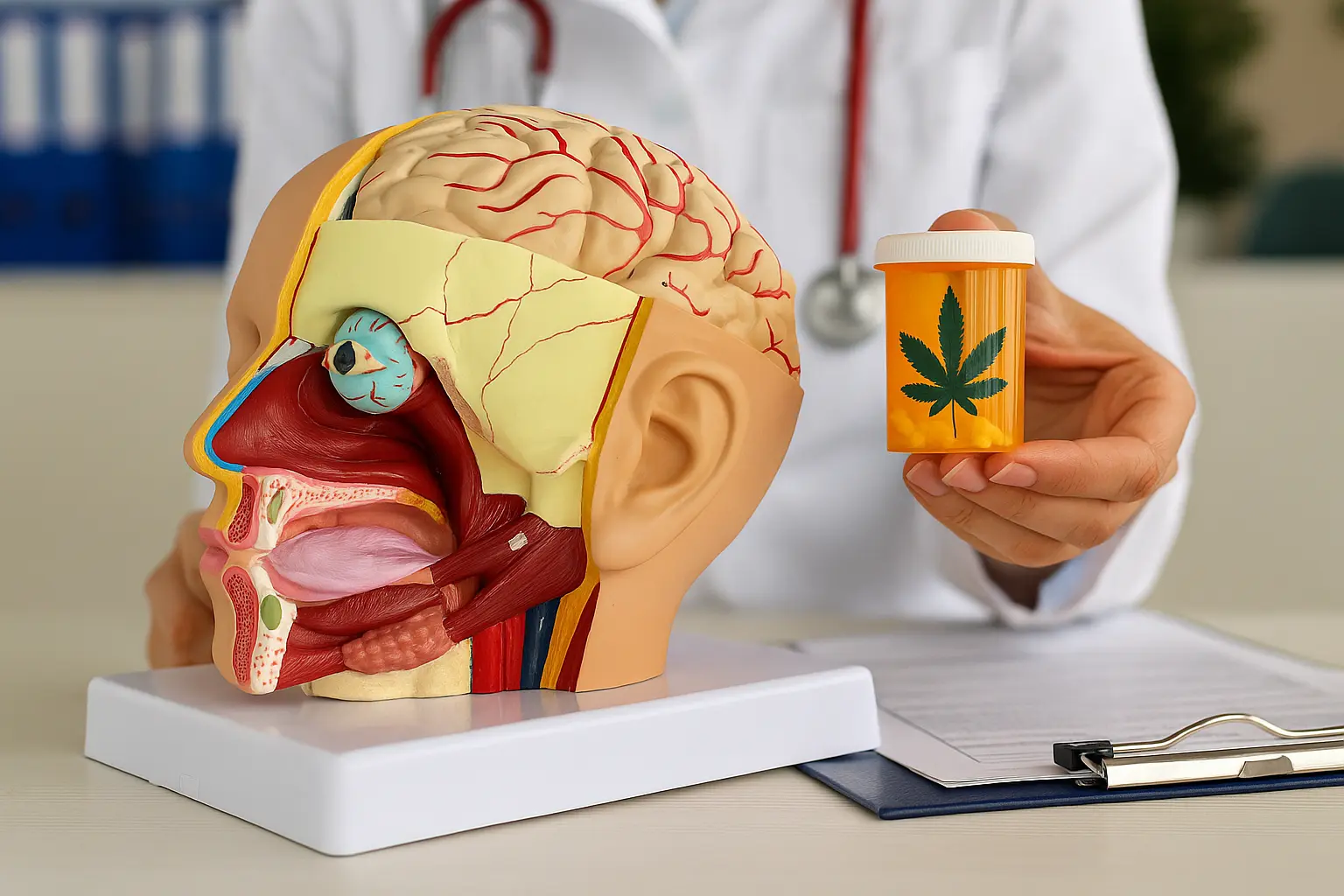
The primary psychoactive compound in marijuana, delta-9-tetrahydrocannabinol (THC), produces the drug’s intoxicating effects. THC interacts with cannabinoid receptors in the brain, including CB1 receptors. These receptors are present in regions involved in memory, decision-making, emotional regulation, coordination, and learning, including the prefrontal cortex and hippocampus. This interaction can produce the “high,” but it can also disrupt normal cognitive function.
Impact on Cognitive Functions:
- Memory Impairment: THC can interfere with hippocampal function, which is critical for memory formation. This can affect short-term recall and make it harder to learn new information or remember recent events. Some studies associate heavy use with altered activation patterns in the prefrontal cortex during working memory tasks, suggesting potential longer-term effects for certain users.
- Reduced Concentration and Attention: Regular use may reduce sustained attention and increase distractibility. People may notice difficulty following conversations, reading for extended periods, or completing tasks that require focus. In some cases, cognitive dulling can persist beyond intoxication, particularly for those who began using heavily during adolescence.
- Impaired Decision-Making: The prefrontal cortex supports impulse control, judgment, and planning. Regular cannabis exposure may weaken executive functioning for some individuals, increasing the likelihood of impulsive choices with longer-term consequences.
- Brain Development in Adolescence: The brain continues developing into the mid-20s. Cannabis exposure during adolescence may affect neural connectivity in systems related to attention, memory, and learning. Research has reported correlations between sustained teen use and cognitive performance changes, although outcomes vary by use pattern and individual vulnerability.
These effects can undermine daily functioning, academic progress, and occupational stability. Understanding neurocognitive impacts helps clarify why early identification and treatment planning can matter, especially when use begins young or becomes daily.
Recognizing the Signs: Symptoms of Marijuana Use Disorder
Marijuana Use Disorder (MUD), also called cannabis addiction, is a clinically recognized condition defined by a problematic pattern of use leading to significant impairment or distress. Severity can range from mild to severe, and symptoms may affect physical health, mental health, relationships, and role functioning. Recognition is often difficult because changes may be gradual.
Common Symptoms of Marijuana Use Disorder:
- Strong Cravings: Persistent urges to use marijuana that intrude on other priorities and feel difficult to resist.
- Increased Tolerance: Needing larger amounts or more frequent use to achieve the same effect.
- Withdrawal Symptoms: Discomfort when reducing or stopping use, including irritability, anxiety, sleep disruption (insomnia or vivid dreams), low mood, reduced appetite, restlessness, stomach discomfort, sweating, or tremors. Withdrawal can contribute to relapse when symptoms feel unmanageable.
- Loss of Control: Using more than intended or being unable to cut down despite repeated efforts.
- Neglect of Responsibilities: Reduced performance or missed obligations at work, school, or home.
- Continued Use Despite Harm: Ongoing use even when it worsens mental health symptoms, physical health, or relationship stability.
- Social and Recreational Impairment: Withdrawing from social connections and reducing hobbies or activities in favor of use.
- Excessive Time Spent: A significant portion of time spent obtaining, using, or recovering from marijuana’s effects.
- Apathy and Low Motivation: Diminished drive and reduced interest in previously meaningful goals or activities.
If several of these symptoms are present, it can indicate that structured support is appropriate. Early recognition can reduce the likelihood of escalation and related harms.
Beyond the High: The Risks of Chronic Marijuana Use
While some people experience marijuana as relaxing in the short term, chronic or heavy use can be associated with meaningful risks. These risks may involve mental health, cognition, physical health, and social stability. The impact varies by dose, potency, age of onset, and individual vulnerability.
Mental Health Decline:
- Anxiety and Depression: Frequent cannabis use is associated with higher rates of anxiety and depression for some individuals. While some use marijuana for self-medicating stress, ongoing use can worsen mood instability or increase anxiety in certain users.
- Psychosis and Schizophrenia: Research links cannabis use to increased risk of psychotic symptoms and psychotic disorders, particularly among those with predisposition and early, heavy use. Cannabis can also exacerbate symptoms in people already diagnosed with schizophrenia.
- Suicidal Ideation: Some studies associate marijuana use with suicidal thoughts or planning. Causality is complex, but the association is clinically relevant, particularly when depression or other risk factors are present.
Cognitive and Physical Dulling:
- Persistent Memory and Learning Problems: Sustained use can impair memory, learning, and impulse control, with greater risk in adolescent onset and heavy patterns.
- Reduced Academic and Occupational Achievement: Attention and motivation changes can impair school and job performance, contributing to missed opportunities and instability.
- Cannabinoid Hyperemesis Syndrome (CHS): A rare but severe condition associated with chronic use, involving recurrent nausea, vomiting, and abdominal pain, sometimes temporarily relieved by hot showers.
- Respiratory Issues: Smoking cannabis can contribute to chronic bronchitis symptoms and lung irritation. Risk varies by method of use and frequency.
Social and Relationship Challenges:
- Relationship Problems: Secrecy, emotional flattening, withdrawal, or missed responsibilities can erode trust and stability.
- Social Withdrawal: People may reduce social contact and isolate, which can worsen mood and reinforce use.
- Increased Risk of Other Substance Use: Some research describes associations between cannabis use and later or concurrent use of other substances. The relationship is debated, but co-use patterns are clinically relevant in treatment planning.
These risks underscore why treatment planning often needs to address both use patterns and the underlying drivers of use.
Pathways to Healing: Effective Treatment for Marijuana Addiction
Overcoming marijuana addiction typically requires sustained behavior change supported by structured care and relapse prevention planning. There are no FDA-approved medications specifically for cannabis addiction, so treatment commonly centers on behavioral therapies, coping skills, and support systems. The aim is to reduce relapse risk by addressing triggers, routines, and underlying psychological needs.
Evidence-Based Therapies:
- Cognitive Behavioral Therapy (CBT): A structured therapy that helps identify and modify thought patterns and behaviors linked to use. CBT supports coping strategies for cravings and high-risk situations.
- Motivational Interviewing (MI): A client-centered approach that helps resolve ambivalence and strengthen internal motivation for change, often useful early in treatment.
- Contingency Management (CM): A behavioral approach that reinforces positive behaviors, such as abstinence or attendance, using structured rewards in some program models.
Holistic and Supportive Approaches:
- Individual Counseling: Therapy focused on triggers, emotional regulation, and the personal drivers of use.
- Group Therapy: Peer-based support that reduces isolation and builds accountability and interpersonal coping skills.
- Peer Support Groups: Community-based support options such as Marijuana Anonymous (MA), which can provide ongoing reinforcement outside formal treatment.
- Dual Diagnosis Treatment: Integrated care addressing co-occurring conditions such as anxiety, depression, or trauma alongside substance use.
- Life Skills Training: Practical skills for stress management, communication, time structure, and relapse prevention in real-world settings.
Effective treatment focuses on stopping use and building a stable foundation that supports long-term functioning and well-being.
Siam Rehab: Your Partner in Healing and Restoration
At Siam Rehab, we provide structured care for individuals struggling with marijuana addiction within an environment designed to support stabilization and recovery. Our approach emphasizes evidence-based methods, individualized planning, and practical skill development. We focus on treating the person in context, recognizing that sustainable change often involves mental health, daily structure, and relapse prevention planning.
Our Integrated Approach to Marijuana Addiction Treatment:
- Personalized Counseling: Individual work using approaches such as CBT and MI to identify triggers and build coping strategies.
- Dual Diagnosis Care: Integrated support for co-occurring mental health conditions that may contribute to relapse risk.
- Restoring Routines and Healthy Living: Structured daily routines that support sleep, nutrition, activity, and consistent engagement.
- Holistic Therapies: Practices such as mindfulness, meditation, yoga, exercise, and nutrition support to improve regulation and resilience.
- Aftercare Planning: A structured plan for follow-up support after discharge, aligned with the client’s home context and available resources.
Our goal is to provide a safe, non-judgmental setting where clients can focus on rebuilding stability and preparing for ongoing recovery work after treatment.
Supporting a Loved One: A Guide for Families
When a family member struggles with marijuana addiction, the entire family system is affected. Confusion, frustration, fear, and sadness are common. Supporting change while protecting your own well-being requires boundaries and realistic expectations.
How to Talk Constructively:
- Educate Yourself: Learn about marijuana addiction as a clinical condition, including symptoms and treatment options.
- Choose the Right Time and Place: Speak when both of you are calm and sober, in a private setting.
- Express Concern, Not Judgment: Use “I” statements that describe impact and concern rather than blame.
- Focus on Specific Behaviors: Identify concrete examples of missed responsibilities or relationship strain.
- Offer Support, Not Control: Encourage professional help and offer assistance with logistics if welcomed.
- Be Patient: Motivation may fluctuate. Consistent, calm support paired with boundaries is often more effective than confrontation.
Setting Healthy Boundaries:
Boundaries protect you and reduce enabling dynamics. They clarify what you will and will not support and allow natural consequences to occur.
- Do Not Enable: Avoid providing money, covering consequences, or making excuses that protect ongoing use.
- Protect Yourself and Others: Prioritize safety and stability, especially where children are involved.
- Stick to Your Word: Follow through consistently if you establish consequences.
- Seek Your Own Support: Consider family support groups or counseling to process stress and build coping strategies.
- Practice Self-Care: Maintain sleep, routine, social contact, and support for your own health.
You cannot force change, but you can change how you respond. Clear boundaries and support can create conditions that make help-seeking more likely.
Your First 72 Hours: An Action Plan for Seeking Help
Starting recovery can feel overwhelming. The first 72 hours are often about reducing chaos, limiting triggers, and connecting with support.
For the Individual Seeking Help:
Immediate Steps (Within 24 Hours):
- Acknowledge the Need for Change: Identify how marijuana use is affecting your functioning and why you want change.
- Reach Out to a Trusted Person: Share your intention with someone safe to reduce isolation and increase accountability.
- Avoid Triggers: Reduce exposure to places, people, or routines strongly linked to use.
- Contact a Professional Treatment Center: Speak with an admissions team to understand options and next steps.
- Start a Journal: Track triggers, urges, and reasons for change to support therapy work.
Next Steps (24-72 Hours):
- Prepare for Withdrawal: If you used heavily, expect irritability, anxiety, sleep disruption, and cravings to increase temporarily.
- Gather Information: Learn what therapies and program formats align with your needs.
- Secure Your Environment: Remove marijuana and paraphernalia to reduce immediate access.
- Plan for Support: Identify who can check in and what activities can help you get through cravings.
For the Family Member Supporting a Loved One:
Immediate Steps (Within 24 Hours):
- Express Compassion and Concern: Communicate care and concern without judgment.
- Research Treatment Options: Identify reputable programs and the services they provide.
- Prepare for Calm Conversations: Focus on specific behaviors and practical next steps rather than blame.
- Offer Practical Assistance: Help with calls, travel logistics, or scheduling assessments if requested.
- Seek Your Own Support: Connect with a support group or therapist for guidance and stability.
Next Steps (24-72 Hours):
- Facilitate Assessment or Admission: If your loved one agrees, help coordinate an evaluation.
- Maintain Boundaries: Support recovery without protecting ongoing use from consequences.
- Educate Yourself on Withdrawal: Expect irritability or mood shifts and respond with limits and calm consistency.
- Focus on Hope: Reinforce small steps and progress without minimizing the work ahead.
Debunking the Myth of Harmless Marijuana
A common misconception is that marijuana is harmless, especially compared to other substances. Legalization, medical use narratives, and cultural messaging can obscure evidence about addiction potential and mental health risks. Addressing myths with accurate information can support earlier help-seeking and better treatment planning.
Myth 1: Marijuana is not addictive.
Fact: Marijuana can lead to Cannabis Use Disorder (CUD), with compulsive use, loss of control, and withdrawal symptoms. Many people report repeated unsuccessful attempts to cut down or quit.
Myth 2: Marijuana is harmless because it is natural.
Fact: “Natural” does not equal safe. The relevant issue is THC exposure and how it affects brain function, motivation, and mental health. Modern products may also be far more potent than earlier forms.
Myth 3: Marijuana does not cause withdrawal.
Fact: Withdrawal can include irritability, anxiety, restlessness, sleep disruption, vivid dreams, depressed mood, and appetite changes. Symptoms can increase relapse risk without support.
Myth 4: Marijuana does not affect mental health.
Fact: Cannabis can worsen anxiety and contribute to paranoia or panic in some users. It is also associated with increased risk of psychotic symptoms in vulnerable individuals, especially with early and heavy use.
Myth 5: Marijuana is safe because it has medical uses.
Fact: Approved medical use of specific formulations under supervision does not remove the risks of non-medical use, especially with high potency, frequent dosing, and self-medication patterns.
References
Greenbranch Recovery. Myths about Marijuana and Addiction. https://www.greenbranchrecovery.com/cannabis-addiction-myths-vs-facts/
Cumberland Heights. Debunking Myths: Understanding the Reality of Marijuana Addiction. https://www.cumberlandheights.org/marijuana-addiction-myths-facts/
FloraFlex. Marijuana and Addiction: Debunking Myths and Facts. https://floraflex.com/a/marijuana-and-addiction-debunking-myths-and-facts
UNODC. Myth 1 – Cannabis is harmless. https://www.unodc.org/southerncone/en/education/drug_prevention_guide_myths.html
Tacoma-Pierce County Health Department. Marijuana – Debunking the Myths. https://www.tpchd.org/healthy-people/substance-use/marijuana/debunking-the-myths
CDC. Cannabis and Brain Health. https://www.cdc.gov/marijuana/health-effects/brain-health.html
An Evidence Based Review of Acute and Long-Term Effects of Cannabis Use on Executive Cognitive Functions. https://www.ncbi.nlm.nih.gov/pmc/articles/PMC7384351/
MindBodyGreen. The Largest Study On Cannabis & Brain Function: What We Now Know. https://www.mindbodygreen.com/articles/largest-study-on-cannabis-and-brain-function
Medical News Today. Heavy cannabis use may affect working memory. https://www.medicalnewstoday.com/articles/324106