
Authors List


When people look into treatment, the decision rarely feels simple. It is usually shaped by fear, past disappointments, family pressure, and uncertainty about whether change is even possible anymore. Personal stories help bring that reality down to earth. They show what the process actually looks like when someone arrives tired, guarded, and unsure – and how progress tends to happen slowly rather than through dramatic breakthroughs. For anyone trying to make sense of different pathways and settings, the understanding rehab choices in Thailand guide can help frame how international programs are commonly structured and evaluated.
What I remember most about Mr. P was the mix of fear and determination he carried – deeply affected by years of trauma and substance use, yet still willing to trust the process enough to keep showing up.
Arriving Carrying Heavy History
Mr. P was 42 when he arrived at Siam Rehab in December 2023. By that point, substances had been part of his life for decades. Cocaine and stimulant use had become entrenched, alcohol had been a daily presence for many years, and depression and anxiety were constant companions. His military deployment earlier in life left lasting psychological scars that showed up as flashbacks, social withdrawal, chronic stress, and periods of emotional instability.
Work had become impossible for him to maintain, and he had been placed on sick leave. While his parents remained supportive, he was living with his brother, who was dealing with challenges of his own. The household was caring, but stability was fragile, and tension often lingered beneath the surface.
Long-Term Use and Repeated Attempts to Stabilize
Crack cocaine had been part of Mr. P’s life for more than twenty years. Alcohol use stretched even further back. He had already tried residential treatment twice in previous years, completing both programs and engaging in aftercare. Each time, he returned home with genuine hope. Each time, relapse followed.
Those experiences left him discouraged but not defeated. He understood that the pattern was not simply about stopping substances for a few months. Something deeper needed attention if the cycle was going to change.
Showing Up Even When It Felt Uncomfortable
When Mr. P arrived in Thailand, fear and uncertainty were obvious. He worried about being far from home, about whether he could manage his emotions, and about whether this attempt would turn out differently from the last ones. Still, he committed to the full six-week program and attended sessions consistently, even on days when anxiety and low mood made engagement difficult.
In individual sessions, he gradually allowed himself to speak openly about trauma, shame, and exhaustion. There was no rush toward resolution. Some conversations were slow and heavy. Others surfaced relief simply through being heard. Over time, trust formed, not through dramatic moments, but through steady presence and routine.
Group sessions also became easier. Hearing others speak honestly about similar struggles reduced the sense of isolation that had followed him for years. He began to feel less alone in the process.
Extending the Work Instead of Rushing Home
As the initial program approached its end, Mr. P recognized that leaving too quickly would risk repeating old patterns. He applied for an extension and stayed an additional four weeks. That extra time allowed him to deepen habits that were just beginning to stabilize: emotional regulation, daily structure, honest communication, and realistic planning for life after discharge.
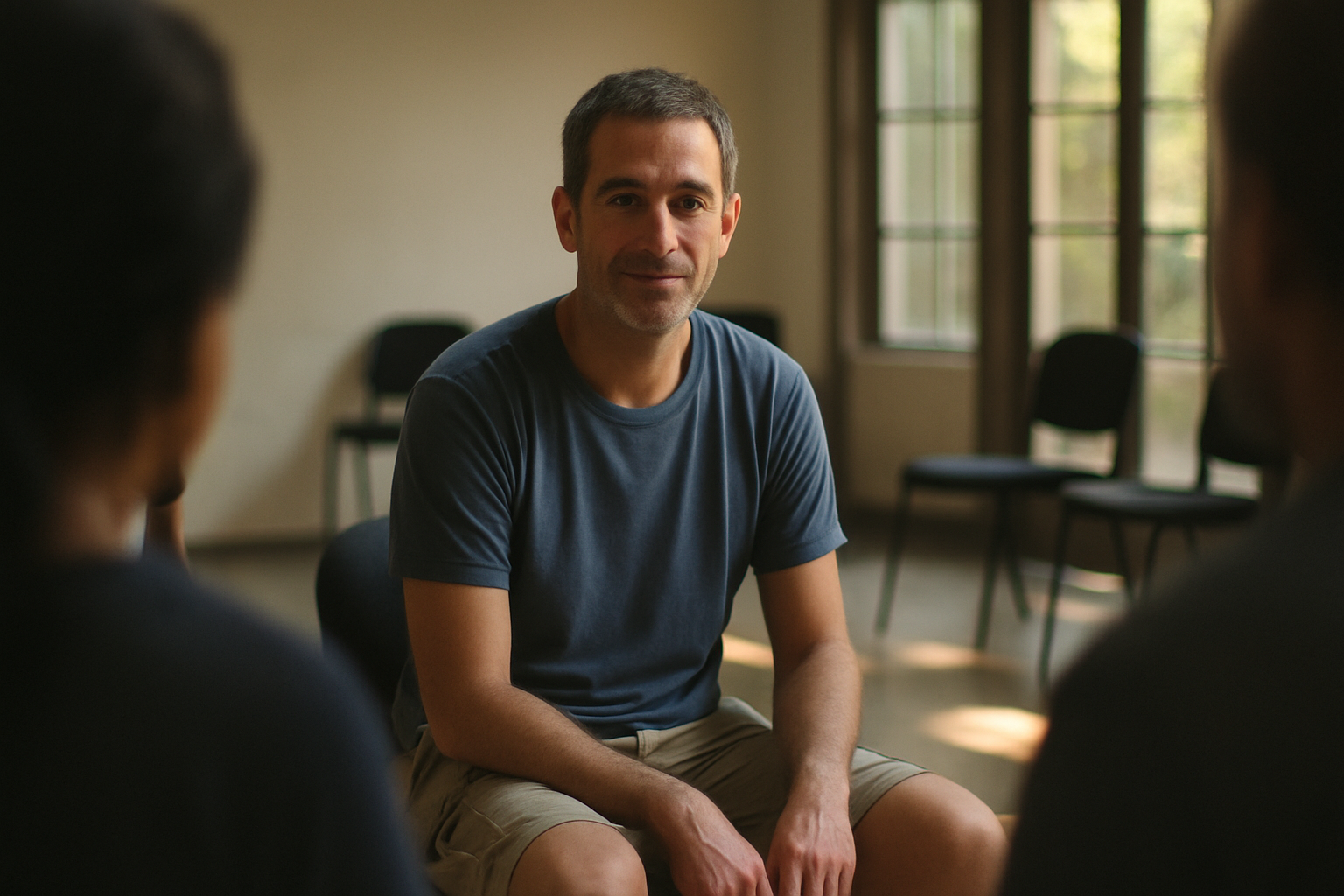
The extension was not about perfection. It was about giving himself enough runway to practice consistency without constant pressure.
Returning Home With Support and Structure
After completing ten weeks, Mr. P returned home to live with his parents, choosing an environment where accountability and support were easier to maintain. He joined recovery fellowship groups and committed to staying connected rather than isolating when stress or low mood appeared.
Contact has remained ongoing. Updates are usually simple and honest: managing daily routines, attending meetings, navigating difficult emotions without substances, and continuing to rebuild trust in relationships. Progress has been steady rather than dramatic, built through repetition and reliability.
His story reflects a reality many people recognize – change does not arrive all at once. It grows through consistency, patience, and the willingness to remain engaged even when discomfort surfaces.
Learn more about how ongoing support works in group counseling and individual counseling sessions.


