Tramadol often starts out looking harmless. It’s the prescription painkiller you get after surgery, or the “weaker” opioid your doctor says is safer than oxycodone or morphine. You take it, and it helps—you feel calmer, the pain eases, life seems manageable again. But what nobody tells you upfront is how quietly Tramadol can take over your life. Unlike the notorious opioid-based painkillers that everyone warns you about, this one sneaks in under the radar. Many people convince themselves, “It’s just Tramadol, I’m fine.” But the truth is, dependence builds slowly until you realize you’re trapped.
This article dives deep into the hidden reality of Tramadol addiction—how it works in the brain, what signs to watch for, the long-term risks, and most importantly, how to find your way out. Whether you’re personally struggling or watching someone you care about spiral, know this: you are not alone, and recovery is absolutely possible.
What Is Tramadol and How Does It Hook the Brain?
Tramadol is a synthetic opioid, technically classified as a centrally acting analgesic. It works in two sneaky ways:
- Opioid receptor binding: Like other opioids, it attaches to μ-opioid receptors, dulling pain and releasing a flood of pleasure signals.
- Neurotransmitter reuptake inhibition: Tramadol also blocks the reuptake of serotonin and norepinephrine, giving it an antidepressant-like effect. This is part of why it feels “different” from stronger opioids.
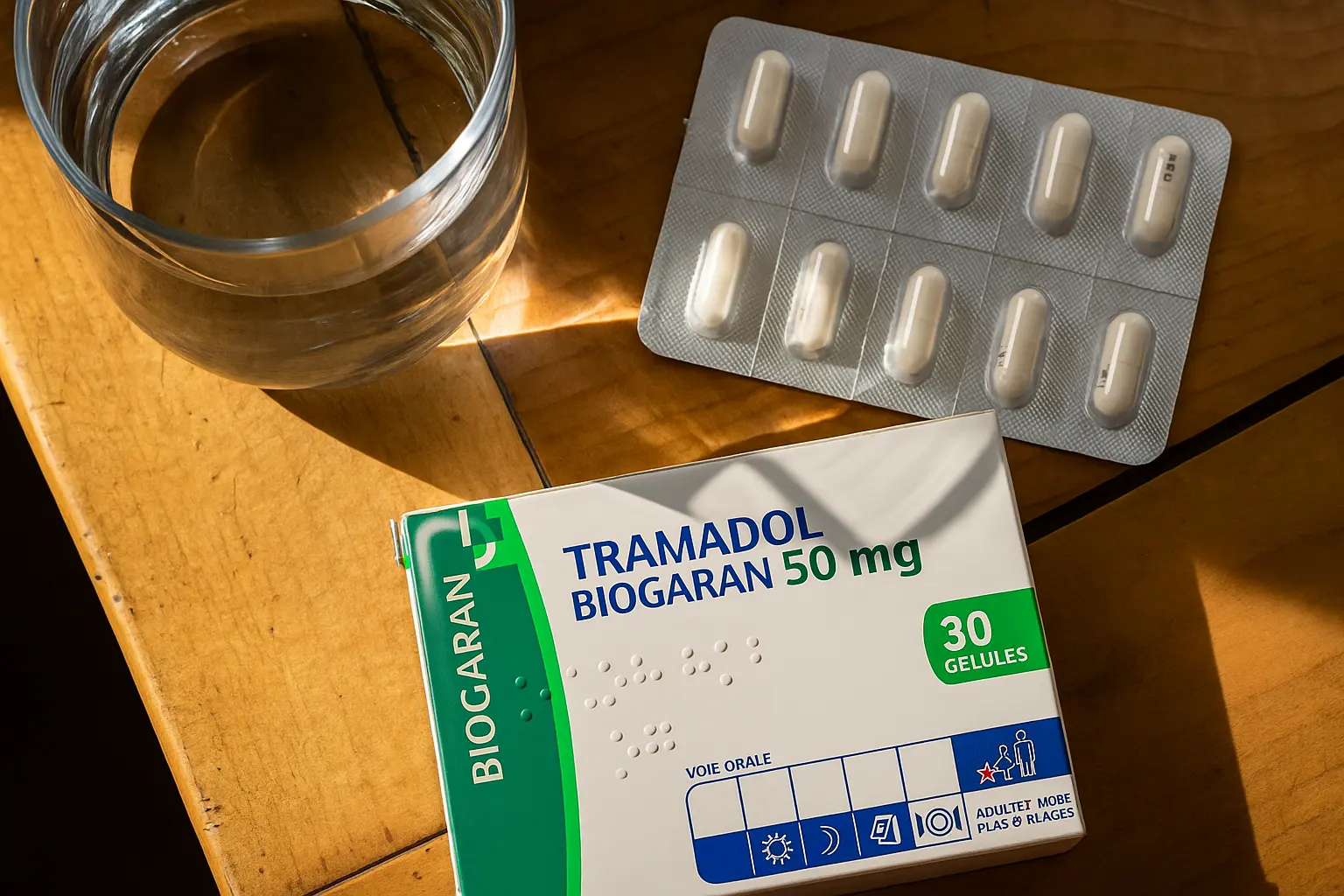
At first, this dual mechanism feels like magic—pain fades, mood improves, the world seems lighter. But the brain adapts quickly. Dopamine pathways get hijacked, tolerance rises, and before long, you’re popping pills not to feel good but just to avoid feeling sick.
Recognizing the Signs: Symptoms of Tramadol Dependence
Spotting Tramadol misuse can be tough. It often looks like someone is just tired, stressed, or “not themselves.” But as dependence deepens, patterns emerge.
Physical Symptoms
- Persistent drowsiness or dizziness.
- Gastrointestinal problems such as nausea, constipation, and cramps.
- Headaches, chills, or sweating without clear cause.
- Seizures, especially at higher doses, a risk exacerbated by, for instance, mixing tramadol and benzos.
- Pupil constriction and blurred vision.
Psychological Symptoms
- Mood swings, irritability, and emotional crashes.
- Anxiety and paranoia when doses are missed.
- Cravings and obsessive thoughts about taking more pills.
- Confusion and memory problems.
Behavioral Symptoms
- Doctor shopping for extra prescriptions.
- Neglecting responsibilities at work, school, or home.
- Hiding pills or lying about use.
- Spending large amounts of money on pills.
The Dangers: Why Long-Term Tramadol Use Is a Trap
Physical Risks
- Seizures without warning.
- Respiratory depression and overdose risk.
- Liver and kidney strain over time.
Mental Health Risks
- Severe depression due to serotonin disruption.
- Anxiety disorders from long-term misuse.
- Hallucinations and psychosis in chronic cases.
Dependence and Withdrawal
- Flu-like aches, sweating, and restlessness.
- Electric “zaps” and nerve pain.
- Severe insomnia with disturbing dreams.
- Crippling anxiety and depression.
Breaking Free: Effective Treatment for Tramadol Addiction
Medically Supervised Detox
- Gradual tapering instead of sudden stoppage.
- Medical monitoring to prevent seizures and stabilize the body.
- Short-term supportive medications may be prescribed.
Therapeutic Approaches
- Cognitive Behavioral Therapy (CBT) to identify triggers and build coping strategies.
- Motivational Interviewing to strengthen commitment to recovery.
- Group and family therapy for accountability and support.
Lifestyle Shifts
- Regular sleep routines.
- Balanced nutrition to restore body chemistry.
- Exercise to reduce cravings and improve mood.
- Hobbies and new passions to replace old habits.
How Siam Rehab Supports Recovery
In the peaceful hills of Thailand, Siam Rehab specializes in opioid-type addictions, including Tramadol, providing leading drug addiction treatment in Thailand.
Specialized Detox and Care
Our medical team creates personalized taper plans with 24/7 monitoring to manage seizure risks safely.
Therapy and Healing
Clients receive individual counseling, group sessions, mindfulness practice, and trauma-informed care to address deeper causes of use.
Aftercare and Relapse Prevention
We provide relapse-prevention strategies, ongoing counseling, and access to global support networks to sustain recovery.
For Families: Walking Beside, Not Behind
How to Support Without Enabling
- Set clear boundaries and avoid financing addiction.
- Encourage open conversations instead of judgment.
- Support recovery steps without covering up behavior.
Seek Support for Yourself
Family therapy and groups like Nar-Anon help relatives cope and heal while maintaining healthy boundaries.
Your 72-Hour Action Plan
Day 1: Face the Truth
- Acknowledge the problem.
- Tell one trusted person what’s happening.
- Call a treatment center like Siam Rehab for assessment.
Day 2: Make Space for Recovery
- Inform family or friends of your decision.
- Arrange time off work or studies if needed.
- Prepare essentials for residential treatment.
Day 3: Step Into Treatment
- Travel to the facility and begin intake.
- Work with medical and therapeutic staff.
- Trust that change is possible.
The Myth of the “Safe Painkiller”
Tramadol’s reputation as a “light” opioid is misleading. Many become addicted because they believe it’s safer than stronger painkillers. But dependence on Tramadol is just as real, with all the sickness, cravings, and daily planning that comes with it. True recovery starts by recognizing there is no such thing as a harmless opioid when misused.
References
- National Institute on Drug Abuse (NIDA) – https://nida.nih.gov/publications/drugfacts/prescription-opioids
- Substance Abuse and Mental Health Services Administration (SAMHSA) – https://www.samhsa.gov/medication-assisted-treatment
- World Health Organization: Tramadol Critical Review Report – https://www.who.int/medicines/access/controlled-substances/Tramadol.pdf
- Centers for Disease Control and Prevention (CDC): Opioid Basics – https://www.cdc.gov/opioids/basics
- PubMed: Tramadol dependence and withdrawal – https://pubmed.ncbi.nlm.nih.gov/12189212/
- British Journal of Clinical Pharmacology: Tramadol misuse and risks – https://bpspubs.onlinelibrary.wiley.com/doi/full/10.1111/j.1365-2125.2009.03419.x
- Addiction Journal: Tramadol dependence in the general population – https://onlinelibrary.wiley.com/doi/full/10.1111/add.12076
- Journal of Opioid Management: Seizure risk in Tramadol users – https://wmpllc.org/ojs/index.php/jom/article/view/2626
- European Journal of Pain: Tramadol and serotonin syndrome – https://www.sciencedirect.com/science/article/abs/pii/S1090380107001063
- U.S. Food & Drug Administration (FDA): Tramadol Safety Information – https://www.fda.gov/drugs/postmarket-drug-safety-information-patients-and-providers/tramadol-information