Authors List


When people imagine rehab, they often picture dramatic collapse followed by dramatic change. In reality, many recoveries unfold quietly, through routine, reflection, and the slow rebuilding of meaning rather than through single defining moments. Gerry’s experience fits that quieter pattern. His story shows how space, structure, and steady practice can allow something that once felt lost to quietly return. For anyone exploring different pathways and environments, the rehab options available in Thailand guide provides useful context for how residential programs typically differ in setting, structure, and support.
What I remember about Gerry was how naturally he found his way back into routine once he had the space – as if the practices he thought he had lost were only waiting to be picked up again.
Gerry arrived quietly. He was 44, soft-spoken, and carried the kind of calm that often comes from having already been through difficult seasons of life, even if the outcome of this one still felt uncertain to him. He had been sober for five years before returning to alcohol, a stretch that had taught him what discipline, accountability, and daily commitment actually look like. The return to drinking had not come from a single crisis. It crept in through small, ordinary pressures: work stress, fatigue, routines slowly loosening, until the accumulation became heavier than he expected.
He was not drinking every day. Often it was a bottle or two on weekends, sometimes less, sometimes more. What troubled him was not the numbers, but the growing sense that meaning had drained from his days. Joy felt distant. Connection felt thin. He described feeling detached not only from other people, but from himself. One thing he missed deeply was the spiritual grounding he had once relied on. Buddhism and meditation had anchored his life in earlier years and given him a sense of direction, but those practices had gradually slipped away, not through intention, but through neglect and distraction.

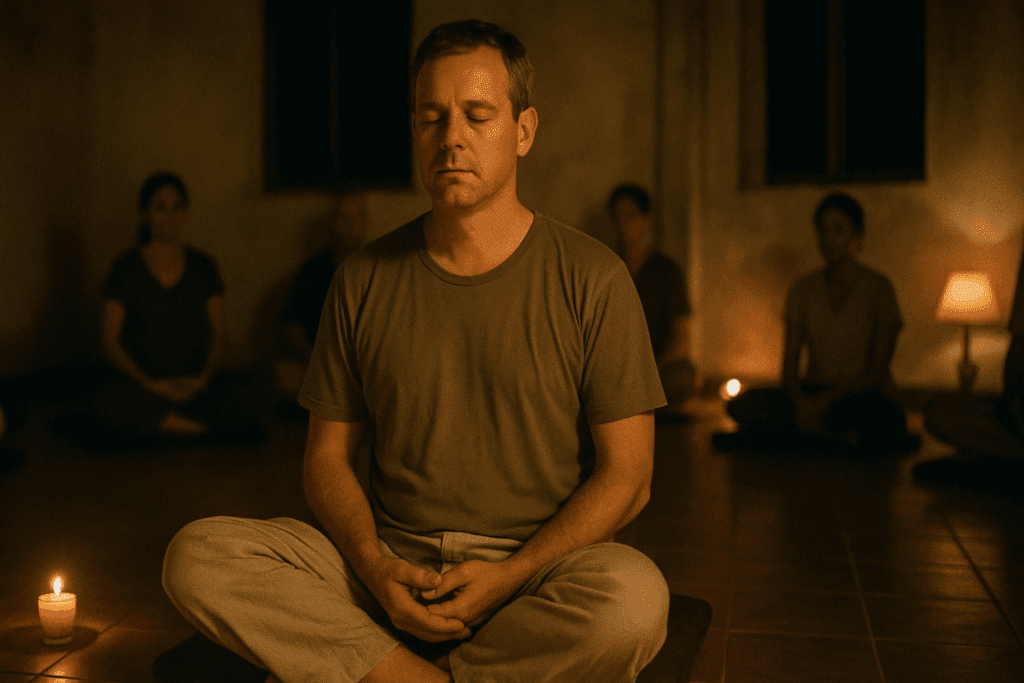
What stood out during his stay was how naturally he settled back into routine once the noise of daily life was removed. Within the first week he was arriving early for mindfulness sessions. Soon after, he began offering to guide evening meditations, not out of a desire to lead or be noticed, but because the structure helped him remain grounded and present. His presence in group settings was steady and uncomplicated. He spoke plainly, listened carefully, and never tried to shape the room in any particular direction. People responded to that steadiness without much effort on his part.
As his time in the program came toward an end, we talked about what returning home might feel like. He did not pretend it would be easy or that every day would suddenly feel full. He expected moments of emptiness and quiet to still appear. The difference was that he no longer felt afraid of that space. He had already begun attending Dharma Recovery meetings online and had identified a local group he planned to join when he returned home, giving himself continuity rather than relying on motivation alone.
There was no dramatic turning point in Gerry’s story. No sudden clarity or emotional release. What emerged instead was something steadier and more durable. Recovery, for him, was not about conquering anything or reinventing himself. It was about returning to practices that kept him grounded, reconnecting with small daily rituals, and allowing meaning to grow back into ordinary life at a human pace.
Learn more about how steady support works in group counseling and individual counseling sessions.


