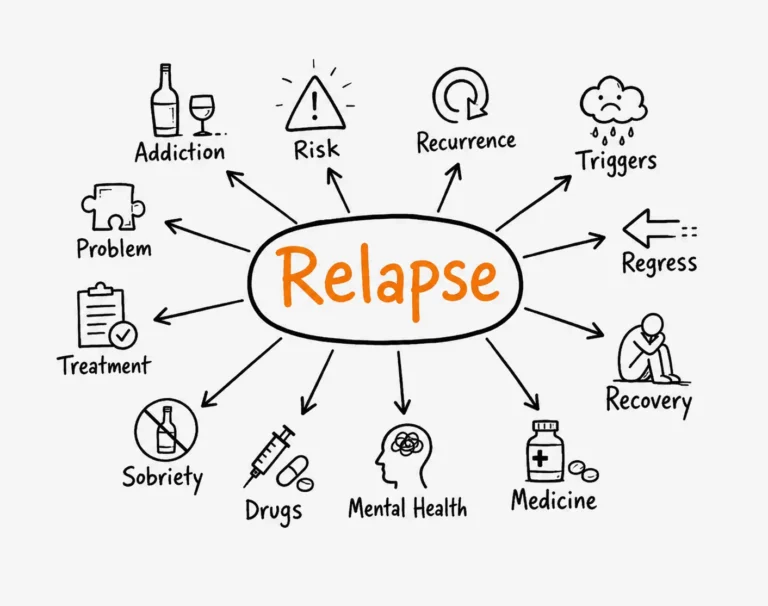
Is relapse normal, or is it the moment everyone should start worrying? Most people ask after it has already happened: a drink at a family event after months of sobriety, or a partner who has started using again and denies it. Two readers usually land here, the person who relapsed and the family member watching from the outside. Both hear the same reassurance that relapse is part of recovery, and both are left unsure what to do with it. The honest answer is that relapse is common, but common does not mean harmless. This page shows where a normal setback ends and a warning pattern begins.
Relapse is normal in the sense that it is common: the National Institute on Drug Abuse (NIDA) estimates that 40 to 60% of people treated for substance use disorders relapse, a rate similar to hypertension and asthma. Common does not mean harmless or expected. A short, disclosed lapse can be absorbed by the recovery plan, while repeated or hidden relapse means the plan needs to change.
Is Relapse Normal in Addiction?
Yes, relapse is normal in the sense that it is common, affecting an estimated 40 to 60% of people in addiction recovery. It does not mean treatment failed. It does mean the recovery plan needs attention: a single, disclosed lapse calls for a review, while repeated or hidden use calls for a change in treatment.
The word “normal” does a lot of work in that answer, and it is often heard wrongly. Clinicians use it to remove shame, so that a person who slips tells someone instead of hiding it. Families sometimes hear it as permission to wait, which is the opposite of what it was meant to do.
Normal Relapse vs a Warning Pattern: How to Tell the Difference
The same event can be a setback or a warning, and the difference lies in what surrounds it. A lapse is a brief return to use that stops quickly, such as a few drinks on one evening followed by an honest conversation the next day. A relapse is a return to the old pattern of use, with the old secrecy, the old excuses, and the old routines. Three questions separate the two: did the use stop on its own, was it disclosed, and is it happening more often than before.
How common is relapse after rehab?
Question: How common is relapse after rehab?
Answer: Relapse after rehab is common, and the risk is concentrated early. According to NIDA, between 40 and 60% of people treated for substance use disorders relapse, a range comparable to hypertension and asthma. A 2011 review by Rajita Sinha in Current Psychiatry Reports notes that several studies have found relapse rates as high as 65 to 70% in the 90 days following treatment.
Those numbers describe groups, not individuals, and they depend heavily on how relapse is defined. Some studies count any single drink as a relapse, while others count only a return to regular use, which is why published rates range so widely. A figure quoted without its definition says little about any one person’s chances.
Is “relapse is part of recovery” true?
Question: Is relapse part of recovery?
Answer: Relapse is part of recovery for many people, but it is not a required stage that everyone passes through. The phrase was meant to reduce shame so that people disclose a slip early instead of hiding it. Read as an expectation, it can work against recovery, because a person who believes relapse is inevitable may stop resisting the first strong craving.
If a single lapse happened, stopped within a day, and was disclosed: Review the relapse prevention plan with a counselor within 48 hours.
If use is returning more often, has been hidden, or has restarted after rehab more than once: Book a clinical assessment for a higher level of care. Siam Rehab, a non-12-step residential program in Chiang Rai for up to 18 clients, sets program length by relapse history rather than a fixed 28 days.
What Happens When Relapse Is Treated as Normal and Left Alone
The most common mistake after a relapse is not panic. It is waiting. A family told that relapse is normal may decide to give it a few weeks, and a person who relapsed may decide to handle it alone this time. Clinicians commonly observe that use can climb back to its previous level much faster than it took to build originally, and secrecy tends to grow alongside it.
In a pattern families describe often, a relapse a few months after rehab was met with calm reassurance, because the family had been told that relapse was part of recovery. Weekly check-ins stopped, since raising the subject felt like breaking trust. By the time the family raised it again, daily use had returned along with the old excuses and missing money. The reassurance had been accurate, but the decision to wait was not.
Why relapse after a period of abstinence can be dangerous
Question: Why is relapse after a period of abstinence dangerous?
Answer: Relapse after a period of abstinence is dangerous because tolerance falls while the person is not using. NIDA warns that someone who returns to the amount they used before quitting can easily overdose, because the body is no longer adapted to that level of drug exposure. The risk is especially serious with opioids, and it is one reason a relapse should never be treated as a routine event.
Repeated relapse is a different signal from a single one. When use returns after a second or third treatment episode, the more useful question is what the treatment missed: its length, an untreated mental health condition, or the environment the person returned to. Those causes are examined in detail in why rehab fails and what to change.
A relapse is common, but the response to it should not be casual. If use has been hidden, has come back more than once, or involves opioids, arrange a clinical assessment this week rather than waiting to see whether it settles.
What a Relapse Changes in the Recovery Plan
The standard advice that relapse means the plan needs adjusting is correct but vague, and vague advice tends to produce no change at all. NIDA frames relapse as a signal to resume treatment, modify it, or try a different treatment, and those are three different decisions. Resuming means returning to the counselor and routines that had quietly lapsed. Modifying means changing something specific, such as adding psychiatric care for a depression that surfaced once the substance was gone. Changing treatment means moving to a different level of care.
A move to a higher level of care usually makes sense when outpatient support was attended but did not hold, a situation described in when outpatient treatment is not enough. Longer residential care gives sleep, mood, and daily routines time to settle before the person faces the old environment again, which is the purpose of extended residential stabilization. Where the relapse was tied closely to one place, one social circle, or one routine, the question of whether changing your environment helps becomes practical rather than theoretical.
Does a relapse mean all progress is lost?
A relapse does not mean all progress is lost. The skills practiced in treatment, the understanding of personal triggers, and the relationships rebuilt during sobriety remain available. A person who relapses after six months of sobriety has not returned to day one in any practical sense. What is usually lost is confidence, and shame about the relapse is often a bigger risk than the relapse itself.
How Relapse Builds Before the First Drink or Dose
Most relapses are visible weeks before any substance is used, if anyone knows where to look. The process usually unfolds in three stages that clinicians call emotional, mental, and physical relapse. It starts with the emotional stage, in which sleep, meals, and self-care slide and the person withdraws without consciously thinking about using. The mental stage brings cravings, bargaining, and a selective nostalgia for past use, and the physical stage is the use itself.
Relapse is linked to the relapse prevention plan because each stage offers a point where the plan can interrupt it. A plan that works lists the personal early signs, such as skipped meals or cancelled appointments, and names who acts when they appear. The most common of these signs are set out in early warning signs of relapse.
Why do I feel better after relapsing?
Many people feel better right after relapsing because the substance relieves the craving, anxiety, and tension that had been building for days or weeks. The relief is real but short. Psychologists G. Alan Marlatt and Judith Gordon described what often follows as the abstinence violation effect: guilt and a sense of total failure that make continued use feel pointless.
A pattern that recurs after several months of sobriety looks like this. A single evening of drinking was kept secret out of shame, followed by a second one because the first had “already ruined everything.” Within weeks, the person was drinking most evenings while still attending aftercare and reporting no problems. The lapse itself had been manageable, and it was the silence around it that turned it into a relapse. The first steps that prevent this spiral are covered in what to do after a relapse.
Common Questions About Relapse
Can a relapse be a good thing?
A relapse is not a good thing in itself, because it carries health risks and often damages trust. It can become useful when it is examined honestly. A relapse shows exactly which trigger, situation, or gap in support the recovery plan missed, and people who use that information to change the plan often build a stronger recovery than they had before.
Why is it so hard not to relapse?
Staying sober is hard because long-term substance use changes how the brain responds to stress, reward, and cues linked to past use, and these changes fade slowly. Stress, direct exposure to the substance, and reminders tied to past use are the triggers NIDA lists most often, and they rarely arrive one at a time. Early recovery also brings poor sleep and unstable mood, which lower resistance to cravings.
Which addiction has the highest relapse rate?
No single figure answers this reliably, because relapse rates vary with how studies define relapse and how long they follow people. Reported rates are generally high for opioids, stimulants, alcohol, and nicotine alike. Opioid relapse carries the greatest immediate danger, because lost tolerance after a period of abstinence raises the risk of fatal overdose.
Does addiction ever go away?
Addiction is classed by NIDA as a chronic illness, which means long-term management rather than a one-time cure, comparable to asthma or high blood pressure. For many people, cravings become weaker and less frequent over years of sobriety, and relapse risk generally falls the longer recovery lasts. The vulnerability rarely disappears completely, which is why a relapse prevention plan stays useful long after treatment ends.
How many times do addicts relapse before quitting successfully?
Research has not established a typical number of relapses before lasting recovery, and individual paths differ widely. Many people who reach long-term sobriety needed more than one attempt, and each attempt usually taught them something the previous one missed. What predicts lasting change is less the number of past relapses than whether each one led to a real change in treatment or support.
Not Sure Whether This Relapse Needs a Different Level of Care?
Siam Rehab’s admissions team can assess what the relapse means and whether the current plan or a residential program is the right next step.


