
Authors List


I remember how Melissa barely spoke her first week. Honestly, I wasn’t sure she would at all. She kept her distance, and not in a cold way – more like someone who had learned to be careful. You could feel it in the way she held herself. And slowly, as she began to trust the space, something shifted. Quietly. No fanfare.
Melissa arrived without drama or collapse. She wasn’t visibly overwhelmed or in crisis. If anything, she looked composed – neatly packed bag, straight posture, eyes that kept scanning a room the way someone does when they are used to staying alert. Mid-forties, I think. There was an exhaustion in her, but not the kind that comes from sleepless nights or physical strain. It felt older than that. The kind that builds when you have been carrying something privately for years without giving it language.
She didn’t talk much in the beginning. She listened. Closely. She showed up to every session on time and stayed fully present, even when she said nothing. There was a steadiness to the way she observed the room, as if she was checking whether this place could really hold what people were bringing into it. It reminded me of someone testing thin ice before stepping forward.
Little by little, pieces of her story surfaced – never as long explanations, more like fragments offered when the moment felt safe. She started drinking when she was fifteen. Not because she was reckless or chasing excitement. It simply helped quiet things inside her that didn’t yet have names. Anxiety. Tension. A sense of being disconnected from herself. For a long time it worked. Until it didn’t.
There was no dramatic turning point, no emotional release that changed everything overnight. What changed was her willingness to stay present. She began making small contributions in group – a brief comment, a thoughtful look held a second longer than before. One morning, she finally said a single sentence that stayed with everyone in the room: “I’m tired of pretending I’m fine.” Nothing more than that. And yet, it shifted the tone of the space. For her, and for others.
Around the third week, she asked to extend her stay. She didn’t make a case for it. She didn’t overthink it. It was a calm decision that felt already settled inside her. By then, she seemed softer around the edges, less guarded. Not more expressive – just more at ease inhabiting herself.
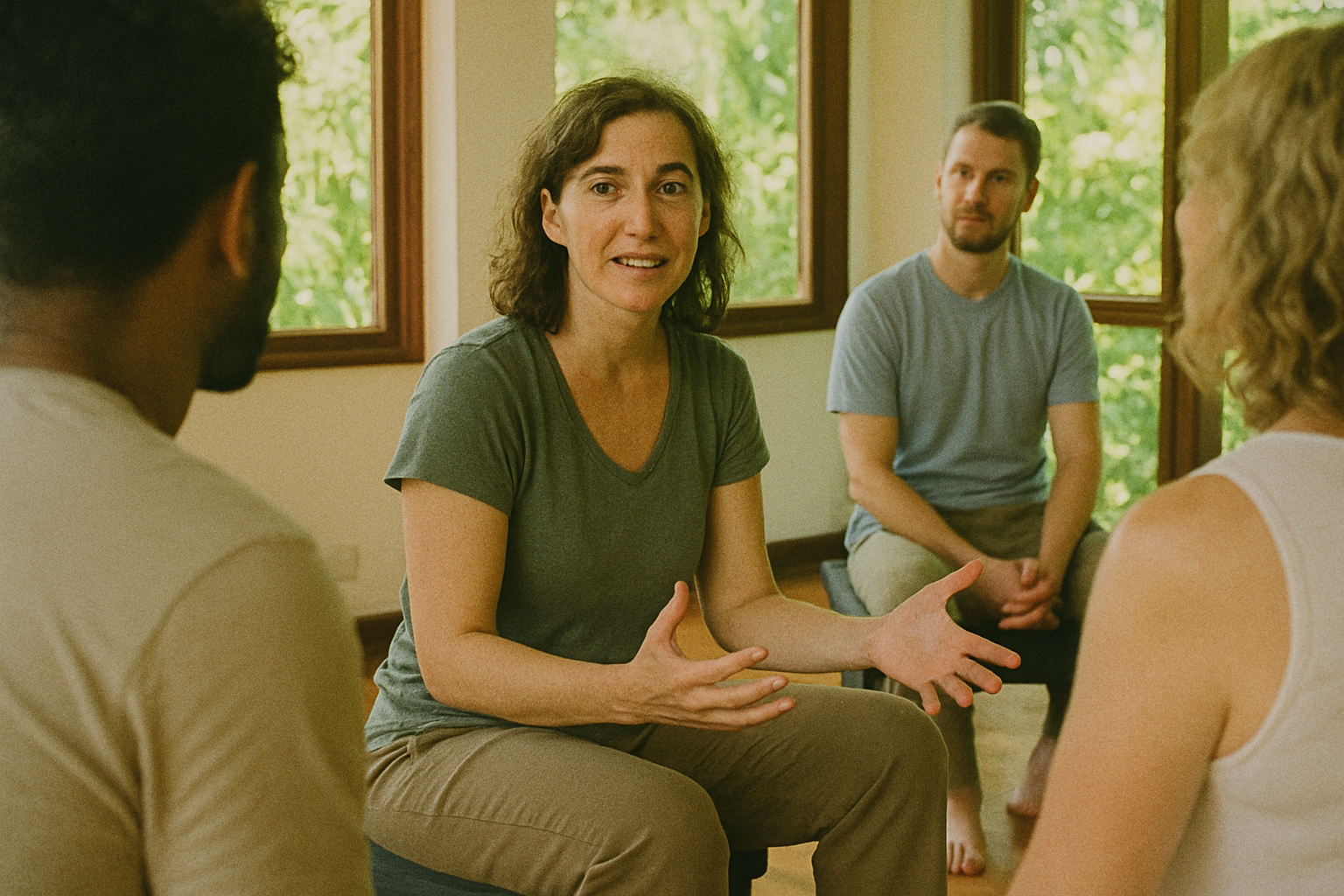
She never leaned into language like “healing” or “transformation.” I don’t think those words felt real to her. What she trusted instead were small, tangible actions. Making tea for someone who looked overwhelmed. Sitting beside a peer who was having a hard morning. Listening without trying to fix anything. People noticed her steadiness. It made the room feel calmer.
On her final week, she handed me a short handwritten note. Just a few lines. One sentence read, “Thank you for not pushing me before I was ready.” That stayed with me more than any speech could have.
It has been over a year since she left. We check in occasionally. Not often, but enough to know how she is doing. She remains sober in a quiet, grounded way. She works now at a women’s shelter and says it keeps her connected to what matters. She still has difficult days. She still feels overwhelmed sometimes. The difference is that she no longer hides it from herself or others.
Her story is not dramatic and it does not wrap itself into a neat narrative arc. It doesn’t need to. What matters is that she turned toward her own life instead of away from it – slowly, honestly, without pretending.
For many people considering change, understanding the environment and values of a program matters as much as the therapy itself. If you are exploring your own path, this independent guide on choosing a rehab center in Thailand explains what people often evaluate when deciding where to begin.
Learn more about our group and individual counseling sessions.


