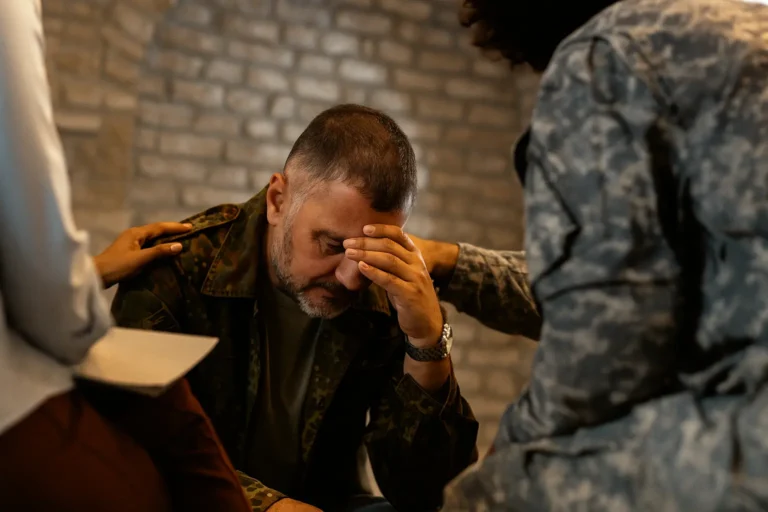
You’re sitting in a quiet cafe, sipping your coffee, when suddenly a door slams shut behind you. Your heart jumps into your throat, your muscles tense up, and without thinking, you scan the room for exits and potential threats. It’s just a door, you tell yourself, but your body doesn’t listen—it’s always on guard, ready for danger that isn’t there. This feeling of constant vigilance, the startle at every loud noise, the urge to avoid crowded places or reminders of the past—it’s exhausting. If this sounds familiar, you might be experiencing the lingering effects of trauma or PTSD. You’re not alone, and understanding what’s happening can be the first step toward feeling more in control of your psychological disorders.
Trauma, Stress, and the Nervous System
Trauma isn’t just a bad memory—it’s something that changes how your body and brain respond to the world. When you go through a frightening event, like an accident, abuse, or loss, your nervous system kicks into high gear to protect you. This is a natural response, designed to keep you safe. But sometimes, after the danger passes, your system stays stuck in that alert mode, making everyday life feel overwhelming.
Survival responses (fight, flight, freeze, fawn)
Your body has built-in ways to handle threats, often called the four Fs: fight, flight, freeze, or fawn. Fight means standing up to the danger, like yelling or pushing back. Flight is running away to escape. Freeze is when you go still, hoping the threat doesn’t notice you—think of playing dead. Fawn involves trying to please or calm the threat to avoid harm, common in situations like ongoing abuse. These aren’t choices you make consciously; they’re automatic reactions from your nervous system. In trauma, these responses can linger, showing up even when there’s no real danger, like freezing up during a heated conversation or always trying to keep the peace at home.
Why symptoms make sense in context
It’s easy to feel frustrated with these reactions, but they make sense given what you’ve been through. Your brain learned that the world can be unsafe, so it stays prepared. This hyper-alertness helped you survive the trauma, but now it might disrupt sleep, relationships, or work. In cases where trauma is intertwined with substance use or severe mood instability, some families evaluate structured residential options and compare treatment standards in Thailand and the United States before deciding on a level of care. Recognizing these responses as logical adaptations can reduce self-blame and open the door to healing. Over time, with appropriate support, you can teach your nervous system that it is safe to relax.
What PTSD & Complex Trauma Look Like
Post-traumatic stress disorder (PTSD) and complex trauma aren’t just about feeling stressed—they involve specific patterns that affect daily life. PTSD often stems from a single traumatic event, while complex trauma comes from repeated or prolonged adversity, like childhood neglect or domestic violence.
Symptoms clusters: re‑experiencing, avoidance, negative shifts, arousal
According to the DSM-5-TR, PTSD symptoms fall into four main groups. Re-experiencing includes flashbacks, nightmares, or intrusive thoughts that make you feel like the trauma is happening again. Avoidance means steering clear of reminders, like places, people, or activities linked to the event. Negative shifts in mood and thinking might involve feeling detached, guilty, or hopeless about the future, often leading to trauma-related depression. Arousal symptoms show up as being easily startled, irritable, or always on edge, with trouble sleeping or concentrating. These can vary in intensity but often interfere with feeling safe or connected.
Complex trauma and developmental impacts
Complex trauma, sometimes called C-PTSD, builds on PTSD symptoms but adds challenges like trouble regulating emotions, feeling worthless, or struggling with relationships. If trauma happened early in life, it can affect how you develop trust, self-worth, or boundaries. You might find it hard to feel stable or form close bonds, often leading to isolation or repeated unhealthy patterns. Unlike single-event PTSD, complex trauma feels woven into your sense of self, but recovery is possible with targeted support.
Triggers, Flashbacks, and Dissociation
Triggers are like alarms that pull you back into trauma mode. A smell, sound, or situation can spark a flashback, where the past floods the present, or dissociation, where you feel detached from your body or surroundings. Understanding these can help you regain control.

Building a personal trigger map
Start by noting what sets off your reactions—maybe crowds, arguments, or certain times of year. Keep a simple journal: What happened? How did your body feel? What thoughts came up? Over time, this map helps you anticipate and prepare, reducing the surprise factor. Share it with trusted people so they can support you without overstepping.
Grounding tools for the here‑and‑now
When a flashback hits, grounding techniques can anchor you. Try the 5-4-3-2-1 method: Name five things you see, four you can touch, three you hear, two you smell, one you taste. Deep breathing—inhale for four counts, hold, exhale for four—calms your nervous system. Hold something cold, like ice, or walk barefoot to feel the ground. These tools aren’t cures but bridges back to the present.
Stabilization First
Before diving into trauma processing, focus on building safety and stability. This foundation makes deeper work possible without overwhelming you.
Safety, sleep, routine, substance risk reduction
Create a safe environment: Secure your home, build a support network, and establish routines like regular meals and bedtime. Prioritize sleep—aim for consistent hours, avoid screens before bed. If substances are involved, reduce risks gradually; they might numb feelings temporarily but can worsen symptoms long-term, especially for those self-medicating PTSD. Small steps, like tracking use or seeking alternatives, build momentum.
Collaborative crisis planning; urgent‑help note (local emergency/crisis services if at immediate risk)
Work with a trusted person to plan for tough moments: What signs mean you need help? Who to call? Include coping strategies and emergency contacts. If you’re at immediate risk of harm to yourself or others, reach out to local emergency services or a crisis hotline right away—don’t wait. In Thailand, options include the Samaritans at 02-713-6793 or international lines like Befrienders Worldwide.
What Works in 2025
Treatment for PTSD has evolved, with evidence-based options tailored to individual needs. In 2025, focus remains on therapies that address root causes while building skills.
Trauma‑focused CBT, EMDR, and skills‑based therapies
Trauma-focused cognitive behavioral therapy (CBT) helps reframe thoughts and face memories safely. Eye Movement Desensitization and Reprocessing (EMDR) uses guided eye movements to process trauma. Skills-based approaches, like Dialectical Behavior Therapy (DBT), teach emotion regulation and mindfulness. These are often first-line, with strong research backing their effectiveness in reducing symptoms.
When medication helps; how clinicians balance risks/benefits
Medications like sertraline, paroxetine, fluoxetine, or venlafaxine can ease symptoms, especially when therapy alone isn’t enough. Clinicians weigh benefits—like better sleep or less anxiety—against side effects, starting low and monitoring closely. They’re not standalone cures but tools to support therapy.
Integrated care when trauma and substance use co‑occur
When trauma and substance use overlap, integrated care treats both together. Programs combine trauma therapy with addiction support, addressing how one fuels the other. This holistic approach improves outcomes, reducing relapse and building resilience.
Unique Section: Window of Tolerance
The window of tolerance is a helpful concept in trauma recovery, describing the emotional zone where you feel balanced and able to handle life’s ups and downs.
Recognizing hyper/hypoarousal and returning to the window
Hyperarousal is being revved up—racing thoughts, anger, or panic. Hypoarousal is shutting down—numbness, fatigue, or disconnection. Notice signs early: Tight chest? Slow movements? To return, use soothing activities like walking or listening to calm music for hyperarousal, or energizing ones like stretching for hypoarousal.
Practices that widen capacity over time
Build your window gradually with yoga, meditation, or therapy. Consistent self-care, like journaling or nature time, expands your ability to stay grounded, making triggers less disruptive.
Family & Allies
Supporting someone with trauma means being present without fixing everything. Your role is valuable, but self-care matters too.
How to respond to triggers without pressure
When a trigger hits, stay calm: “I’m here if you want to talk.” Avoid pushing for details. Offer space or a distraction, like a walk, respecting their pace.
Boundaries and practical help
Set clear boundaries to prevent burnout, like “I can listen now, but need a break later.” Practical help might include driving to appointments or helping with routines, always asking what they need.
Care in Thailand: Structured, Trauma‑Informed Settings
Thailand offers serene settings for recovery, with programs blending Eastern mindfulness and Western therapies.
Siam Rehab (neutral description): trauma‑informed, dual‑diagnosis capable, evidence‑based therapies, English‑speaking clinicians, aftercare continuity. No promises/guarantees.
Siam Rehab provides a structured environment with trauma-informed care, capable of addressing dual diagnoses like trauma and substance use. They offer evidence-based therapies such as CBT and EMDR, delivered by English-speaking clinicians. Aftercare planning ensures continuity, though individual results vary and no guarantees are made.
Action Plan: Next 24–72 Hours
Start small to build safety and momentum toward help.
Personal safety steps
Assess your space: Lock doors, remove hazards. Reach out to one safe person. Practice one grounding tool twice daily. If substances are an issue, secure them or seek immediate support.
Preparing for a first appointment
Research local therapists or hotlines. Jot down key concerns: Symptoms, history, goals. Bring a support person if helpful. Remember, the first step is brave—help is available.
Myths & Facts
- Myth: PTSD only affects combat veterans. Fact: Anyone can develop PTSD after trauma, like accidents or abuse.
- Myth: People with PTSD are violent. Fact: Most aren’t; symptoms focus inward, like anxiety or avoidance.
- Myth: PTSD is a sign of weakness. Fact: It’s a normal response to abnormal events; strength lies in seeking help.
- Myth: Symptoms always start right after trauma. Fact: They can appear months or years later.
- Myth: You can just “get over” PTSD. Fact: Professional support often leads to better recovery.
FAQ
- What causes PTSD? It’s triggered by experiencing or witnessing a terrifying event, overwhelming the nervous system.
- Can PTSD be cured? Many recover fully with treatment, though some manage ongoing symptoms.
- How do I know if it’s PTSD or just stress? If symptoms last over a month and disrupt life, consult a professional.
- What if therapy feels too scary? Start with stabilization; therapists go at your pace.
- How can family help without overwhelming? Listen, offer practical support, and encourage professional care.
References
- Treatments for PTSD – American Psychological Association. https://www.apa.org/ptsd-guideline/treatments
- PTSD and DSM-5 – PTSD: National Center for PTSD – VA.gov. https://www.ptsd.va.gov/professional/treat/essentials/dsm5_ptsd.asp
- Post-traumatic stress disorder (PTSD) and Complex PTSD. https://uktraumacouncil.org/trauma/ptsd-and-complex-ptsd
- The Window of Tolerance and PTSD. https://www.ptsduk.org/the-window-of-tolerance-and-ptsd/
- 10 Common Myths About PTSD – Emory Healthcare. https://www.emoryhealthcare.org/stories/veterans-health/10-common-myths-about-ptsd
- Integrating Mental Health and Addiction Treatment into General Medicine. https://pmc.ncbi.nlm.nih.gov/articles/PMC7606646/
- Medications for PTSD. https://www.apa.org/ptsd-guideline/treatments/medications
- Grounding Techniques for PTSD & C-PTSD. https://www.ptsduk.org/grounding-techniques/