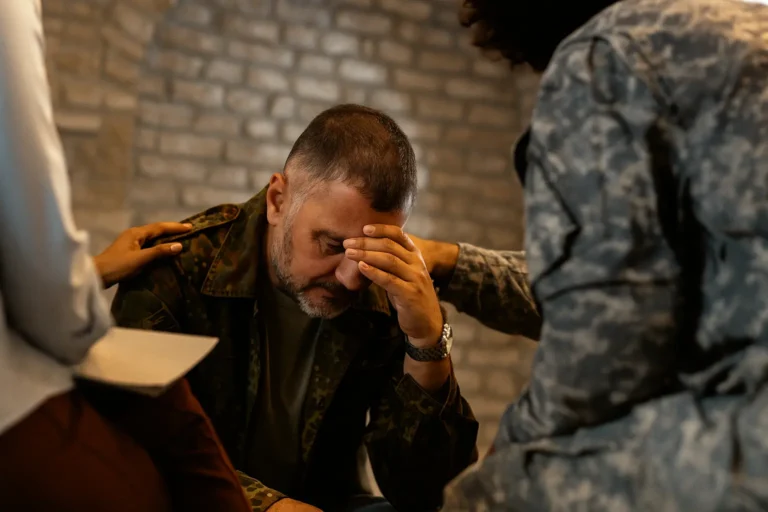
A PTSD episode is a sudden, intense reaction where the brain responds to a trauma reminder as if the danger is happening again right now. If you are in the middle of one, the priority is not understanding why it started but calming your body and returning your attention to the present moment. Most episodes last minutes to a few hours, though the exact duration depends on the trigger and how quickly grounding techniques bring the nervous system back down.
A PTSD episode is an intense, involuntary reaction to a trauma reminder that makes the brain and body respond as though the original danger is present again, even when the person is objectively safe. Common signs include flashbacks, a racing heart, sudden panic, or freezing in place. Episodes typically last minutes to hours, and while grounding techniques can shorten and soften them, frequent or worsening episodes are a signal that professional support, not just self-management, has become necessary.
What Is a PTSD Episode?
A PTSD episode is a sudden activation of trauma-related symptoms, including flashbacks, hypervigilance, and intense emotional distress, triggered when the nervous system perceives a reminder of past danger as a present threat. It is sometimes called a PTSD attack or flare-up; the terms describe the same underlying process. Episodes can be triggered by a sound, smell, situation, or thought and typically resolve once the body’s alarm response settles, though the length and intensity vary from person to person.
What a PTSD Episode Feels Like
The core experience of a PTSD episode is the body reacting to danger that is not actually present, which is why the physical symptoms often feel disproportionate to the immediate situation. Common signs include:
- Flashbacks or vividly reliving parts of the traumatic event
- A racing heart, sweating, or shaking
- Sudden, overwhelming fear or panic without a clear present trigger
- Freezing, going still, or feeling unable to speak or move
- Dissociation, or feeling detached from your body or surroundings
- Hypervigilance, or constantly scanning for danger
These symptoms cluster into four recognized patterns: re-experiencing the trauma through flashbacks or intrusive memories, avoiding reminders of what happened, negative shifts in mood or self-perception, and heightened arousal such as being easily startled or constantly on edge. Recognizing which pattern dominates a specific episode helps identify which grounding approach is likely to help fastest.
PTSD Episode vs. Panic Attack
A PTSD episode and a panic attack share physical symptoms, including a racing heart, shortness of breath, and a sense of impending danger, which is why the two are frequently confused with each other. The distinguishing feature is the presence of a trauma-specific trigger and content: a PTSD episode typically involves a flashback or intrusive memory tied to a specific past event, while a panic attack can occur without any identifiable trigger and does not usually involve reliving a specific memory. Someone experiencing a PTSD episode may feel as though they are back in the traumatic situation itself, whereas a panic attack more often involves a diffuse fear that something terrible is about to happen, without a specific past scene attached to it. In practice, the grounding techniques that help with one condition generally help with the other, since both involve calming an overactivated nervous system, but identifying which one is occurring helps a person and their support network anticipate what kind of trigger to expect next time.
How Long Do PTSD Episodes Last?
Most PTSD episodes last from a few minutes to several hours, with the exact duration depending on the trigger, the person’s coping tools, and how quickly grounding techniques are applied. Some people report episodes resolving within twenty or thirty minutes once breathing slows and grounding begins, while others describe more severe episodes, particularly those tied to prolonged or repeated triggers, extending across several hours or, in rarer cases, longer. Hypervigilance and heightened alertness can linger after the acute symptoms fade, which is different from the episode itself continuing. If episodes are consistently lasting longer than this range or recurring within the same day, that pattern is worth raising with a professional rather than treating as normal.
Common Triggers
PTSD episodes are triggered by anything the brain associates with the original trauma, whether the connection is obvious or not. Common external triggers include loud or sudden noises, specific smells, crowded or enclosed spaces, arguments, and anniversaries of the traumatic event. Internal triggers, including certain thoughts, physical sensations, or emotional states that resemble how the person felt during the original event, can be just as powerful and are often harder to anticipate since they do not depend on the external environment at all. Being yelled at, even in a context unrelated to the original trauma, is a particularly common trigger for people whose trauma involved verbal or physical aggression, since the tone and volume alone can be enough to activate the same threat response. Anniversaries of a traumatic date, certain times of year, or even a change in season can act as triggers without the person consciously connecting the timing to the original event, which is one reason unexplained mood shifts around the same time each year are worth tracking.
Dissociation, Derealization, and Depersonalization
Dissociation is a mental disconnection from the present moment, thoughts, feelings, or sense of identity, and it is one of the more disorienting symptoms a person with PTSD can experience, since it can happen without warning and without an obvious trigger visible to people nearby. Depersonalization is a specific form of dissociation involving a sense of detachment from your own body or thoughts, sometimes described as watching yourself from outside your body or feeling like your actions are not fully your own. Derealization is a related but distinct experience in which the surrounding world feels unreal, distant, or dreamlike, even though nothing about the environment has actually changed. Both are the nervous system’s way of creating psychological distance from something overwhelming, and while they can feel frightening in the moment, they are not a sign of losing touch with reality permanently. Grounding techniques that engage the five senses are typically the fastest way to interrupt an episode of dissociation, since physical sensory input helps re-anchor attention in the present.
How to Manage an Episode
When an episode starts, the goal is to signal safety to a nervous system that currently believes it is in danger, which grounding techniques do more effectively than trying to reason your way out of the fear.
- Slow your breathing: Inhale for four counts, hold for four, and exhale for four to bring your heart rate down.
- Use the 5-4-3-2-1 method: Name five things you see, four you can touch, three you hear, two you smell, and one you taste.
- Move to a safe, quiet space if your current environment is contributing to the activation.
- Hold something cold or textured to anchor your attention in physical sensation rather than the flashback.
- Reach out to a trusted person once the acute intensity has started to ease.
If episodes have stayed brief, infrequent, and manageable with grounding techniques alone, continued self-management combined with regular therapy sessions is often sufficient. If episodes have become more frequent, are lasting longer despite grounding attempts, or are now accompanied by substance use to cope with the aftermath, a more structured level of care becomes the safer option. Unlike outpatient therapy alone, a residential program such as Siam Rehab, a non-12-step center in Thailand with a capacity of 18 clients, is built to stabilize trauma symptoms and any co-occurring substance use together rather than addressing them through separate, disconnected services.
How to Help Someone During a PTSD Episode
Watching someone go through a PTSD episode can feel frightening, especially the first time, but the most useful role a bystander can play is staying calm and predictable rather than trying to fix the situation immediately. Speak in a low, steady voice and avoid sudden movements or touching the person without asking first, since unexpected physical contact can intensify a flashback rather than interrupt it. Simple, grounding language works better than questions that require complex thinking: naming the current date, location, and the fact that they are safe now tends to help more than asking someone to explain what they are experiencing while it is still happening. Avoid minimizing the experience with phrases like “calm down” or “it’s not real,” since the danger feels completely real to the nervous system in that moment even though it is not present. Once the acute intensity has passed, ask what would help rather than assuming, since grounding preferences vary significantly between people. If the person becomes a danger to themselves or others during the episode, or the episode does not ease after a reasonable period, treat it as a signal to seek emergency support rather than continuing to wait it out.
Trauma, Stress, and the Nervous System
Trauma changes how the nervous system interprets everyday situations, not just how a person remembers a specific event. During a trauma response, the amygdala, which processes fear, becomes overactive, while the prefrontal cortex, responsible for reasoning, becomes comparatively less active, which is why logical reassurance rarely stops an episode already in progress. Clinical writing on trauma, including Bessel van der Kolk’s widely referenced work on how trauma is stored physically in the body, and Pierre Janet’s early clinical descriptions of dissociation, have helped shape the modern understanding that trauma responses are physiological, not simply psychological or a matter of willpower.
The body has four built-in survival responses: fight, meeting a perceived threat with confrontation or irritability; flight, avoiding people, places, or situations that feel risky; freeze, going still or dissociating when escape feels impossible; and fawn, working to appease or please a perceived threat, common after prolonged abuse or betrayal by someone the person depended on. None of these are conscious choices, and recognizing which pattern dominates a person’s reactions helps target the right coping strategy rather than a generic one.
Polyvagal theory, a framework used in much of current trauma treatment, describes the nervous system as shifting between a calm, socially engaged state and states of mobilized defense or shutdown, offering a physiological explanation for why the same person can swing between hyperarousal and complete emotional flatness depending on how threatened their system currently feels. Somatic approaches to trauma, including tension and trauma releasing exercises, work directly with this physiological layer rather than relying only on talk-based processing, and some clinicians recommend practicing them regularly rather than only during acute distress, since consistent practice appears to build the capacity to self-regulate over time rather than only helping in the moment.
When It Feels Like a Breakdown
What people often describe as a nervous breakdown or mental breakdown is not a formal clinical diagnosis, but it typically describes a point where accumulated stress or unresolved trauma symptoms overwhelm a person’s ability to function in daily life, whether at work, at home, or in relationships. This can look like an inability to get out of bed, sudden uncontrollable crying, or a complete loss of the coping strategies that previously worked. When this state is closely tied to specific trauma triggers rather than general life stress, it often overlaps significantly with an escalating pattern of PTSD episodes rather than being a separate problem, which is why persistent breakdown-like symptoms are one of the clearer signals that professional evaluation, not just rest, is needed.
PTSD, Complex PTSD, and Related Trauma Patterns
PTSD typically develops from a single traumatic event, such as an accident or assault, while complex PTSD develops from repeated or prolonged trauma, such as ongoing childhood neglect or domestic violence, and carries additional challenges beyond the core PTSD symptom clusters. People with complex PTSD often struggle with emotion regulation, a persistent sense of worthlessness, and difficulty forming or trusting close relationships, since the trauma became embedded in their sense of self rather than remaining a single, contained memory.
Trauma bonding and betrayal trauma are related but distinct patterns that often accompany complex PTSD. Trauma bonding describes an emotional attachment that forms to someone who alternates between harm and affection, making it difficult to leave a harmful relationship even when the danger is clear from the outside. Betrayal trauma refers specifically to harm caused by someone the person depended on for safety or care, which tends to produce deeper disruptions in the ability to trust than trauma caused by a stranger, since the betrayal itself becomes part of the injury. Historical and childhood trauma add another layer, since trauma experienced early in life, before language and identity are fully formed, often shapes a person’s baseline sense of safety in ways that are harder to trace back to a single memory. This distinction matters for treatment: complex PTSD, trauma bonding, and childhood or betrayal trauma generally require a longer-term therapeutic approach focused on rebuilding a stable sense of self and safe attachment, not only processing specific traumatic memories.
Window of Tolerance
The window of tolerance is a widely used concept in trauma treatment describing the emotional zone in which a person can process feelings and information without becoming overwhelmed or shutting down. Inside this window, someone can feel stressed or upset without losing the ability to think clearly or respond thoughtfully. Outside the window, in either direction, regulation becomes difficult: hyperarousal pushes a person into racing thoughts, panic, or anger, while hypoarousal pushes toward numbness, fatigue, or disconnection. Expanding this window over time, so that more stress can be tolerated before symptoms escalate, is one of the central goals of trauma-focused therapy, and it happens gradually through consistent practice of regulation skills rather than through a single breakthrough.
Building a Personal Trigger Map
Identifying personal triggers turns a vague sense of unpredictability into specific, actionable information. A simple approach is to note, after each episode or strong reaction, what happened immediately before it, what the environment was like, and what physical sensations appeared first. Over several weeks, patterns tend to emerge that were not obvious in the moment, such as a particular tone of voice, a specific time of year, or a level of fatigue that lowers resilience to other triggers. This information is useful both for personal preparation, such as building in extra support around a known anniversary, and for therapy, since a clinician can work more precisely with a documented pattern than with a general description of feeling triggered sometimes.
Medication Options
Medication for PTSD is generally used alongside therapy rather than as a standalone treatment, and several classes of medication address different aspects of the condition. Selective serotonin reuptake inhibitors, including sertraline and paroxetine, are the most established first-line medications, used to reduce overall symptom severity including intrusive thoughts and mood disturbance. For nightmares specifically, some clinicians prescribe prazosin, a medication originally developed for blood pressure that has a separate, well-documented effect on reducing trauma-related nightmares and improving sleep quality. Any medication decision should be made with a prescribing doctor who understands the full clinical picture, including any current substance use, since certain combinations carry their own risks and medication alone rarely resolves the underlying trauma response without accompanying therapy.
When Episodes Become Frequent
An increase in how often episodes occur, how long they last, or how much they interfere with daily functioning is a signal that self-management alone is no longer covering the full picture. At this stage, many people look toward trauma-focused therapy programs that combine structured clinical support with a stable, lower-stimulation environment rather than continuing to manage escalating symptoms alone.
Trauma-focused cognitive behavioral therapy and Eye Movement Desensitization and Reprocessing, or EMDR, are the two most established psychotherapy approaches, both aimed at helping the brain fully process traumatic memories rather than keeping them in an active, easily triggered state. Somatic therapy, which works through bodily sensation rather than talk alone, is increasingly used alongside these approaches for people whose trauma responses are strongly physical, such as chronic muscle tension or a nervous system that stays in a persistent state of alertness. When trauma symptoms and substance use are both present, addressing them within one coordinated plan tends to produce more durable results than treating either issue in isolation, since untreated symptoms on one side routinely destabilize progress on the other.
Family and Allies
Supporting someone with PTSD means being present without trying to fix everything, and that balance takes practice for most people close to someone in recovery. When a trigger hits, staying calm and offering simple, low-pressure language, such as saying you are here if they want to talk, tends to help more than pushing for details about what set off the reaction. Offering space or a gentle distraction, and letting the person lead on what they need in that moment, respects their pace rather than imposing a timeline on their recovery. It is equally important for supporters to set their own boundaries, since sustained caregiving without boundaries tends to lead to burnout that eventually reduces the quality of support being offered. A boundary stated clearly, such as being available to listen now but needing a break later, protects both people rather than only the person setting it.
Action Plan: Next 24-72 Hours
For someone recognizing these patterns in themselves or a loved one, small, concrete steps build momentum more reliably than a single large decision.
- Next 24 hours: Focus on physical safety. Secure the immediate environment, reach out to one trusted person, and practice one grounding technique even without an active episode, so it becomes more familiar under lower stress.
- Next 48 hours: If substance use has become part of coping with symptoms, take a concrete step to reduce access or seek support around it, since untreated substance use tends to intensify rather than mask trauma symptoms over time.
- Next 72 hours: Research and contact one professional resource, whether a local therapist, a trauma-focused program, or a crisis line, and write down current symptoms and their pattern beforehand so the first conversation is more productive.
Safety Planning and Urgent Help
Trauma and PTSD symptoms can sometimes escalate into thoughts of self-harm or suicide, particularly during a severe episode or a period of prolonged symptom escalation, and this requires immediate attention rather than self-management alone.
If you or someone else is having thoughts of suicide or self-harm, or is in a state of crisis that feels unsafe, contact emergency services immediately or reach a crisis line without delay. In the United States, the 988 Suicide and Crisis Lifeline is available by call or text, 24 hours a day. In Thailand, the Samaritans helpline can be reached at 02-713-6793, and emergency services at 1669. A basic safety plan, built during a calmer period with a trusted person or clinician, typically includes recognizable warning signs, specific people to contact, and agreed steps to take if symptoms escalate quickly, so that decisions do not have to be made from scratch during a crisis.
Myths & Facts
- Myth: PTSD only affects combat veterans. Fact: Anyone can develop PTSD after a traumatic event, including accidents, assault, or abuse. For trauma specifically tied to military service, veteran-specific PTSD treatment addresses combat-related triggers and the VA claims process directly.
- Myth: People with PTSD are dangerous or violent. Fact: Most symptoms are inward-facing, such as anxiety, avoidance, or emotional withdrawal, rather than aggression toward others.
- Myth: PTSD symptoms always start immediately after the trauma. Fact: Symptoms can emerge months or even years after the triggering event.
- Myth: Dissociation means someone has lost touch with reality permanently. Fact: Dissociation is typically a temporary, protective response to overwhelming stress, and it responds well to grounding and trauma-focused treatment.
- Myth: PTSD is a sign of personal weakness. Fact: It is a well-documented physiological response to overwhelming events, and seeking treatment is what typically shortens recovery.
- Myth: You can simply will yourself past PTSD. Fact: Professional, trauma-focused treatment consistently produces better outcomes than attempting to manage it alone indefinitely.
FAQ
How to calm a PTSD episode?
Slow, deliberate breathing combined with a grounding technique like the 5-4-3-2-1 method helps signal safety to an activated nervous system. Moving to a quieter environment and reaching out to a trusted person once the intensity eases also shortens the episode’s overall duration.
Do PTSD flashbacks ever stop?
With trauma-focused treatment such as EMDR or trauma-focused CBT, flashbacks typically decrease significantly in both frequency and intensity over time. Without treatment, they can persist for years, though they may become less frequent as time passes on their own.
What does a PTSD trigger feel like?
A trigger often feels like a sudden shift from calm to alarm without an obvious present cause, since the reaction is tied to a past event rather than current circumstances. Physical sensations such as a racing heart, sweating, or an urge to escape frequently accompany the emotional shift.
What are PTSD flashbacks called?
They are most commonly referred to simply as flashbacks or intrusive memories, both describing the experience of a traumatic memory intruding on the present moment with vivid, sensory detail. Clinically, they fall under the re-experiencing symptom cluster of PTSD.
Can a PTSD episode last for months?
A single episode typically resolves within hours, but the broader window of heightened symptoms surrounding it, including hypervigilance and sleep disruption, can persist for weeks or months if untreated. This longer pattern is different from one continuous episode and usually signals that professional treatment is needed rather than more time alone.
What is the difference between dissociation and derealization?
Dissociation is the broader term for feeling disconnected from thoughts, feelings, memory, or identity, while derealization specifically refers to the surrounding world feeling unreal or dreamlike. Depersonalization, a related but distinct experience, refers to feeling detached from your own body rather than the environment around you.
How is a PTSD episode diagnosed as part of PTSD overall?
A single episode is not diagnosed on its own; a clinician looks at the broader pattern of symptoms over at least one month, including re-experiencing, avoidance, negative mood shifts, and heightened arousal, before confirming a PTSD diagnosis. Someone can experience an isolated trauma-related episode without meeting the full criteria for PTSD, which is why a professional evaluation matters if episodes are recurring.
Episodes Becoming More Frequent or Severe?
Siam Rehab’s admissions team can assess whether trauma-focused residential care is the right next step.