Authors List


What I remember most about Sam was the way his effort showed up quietly – not in what he said, but in the rhythm of his actions, day after day.
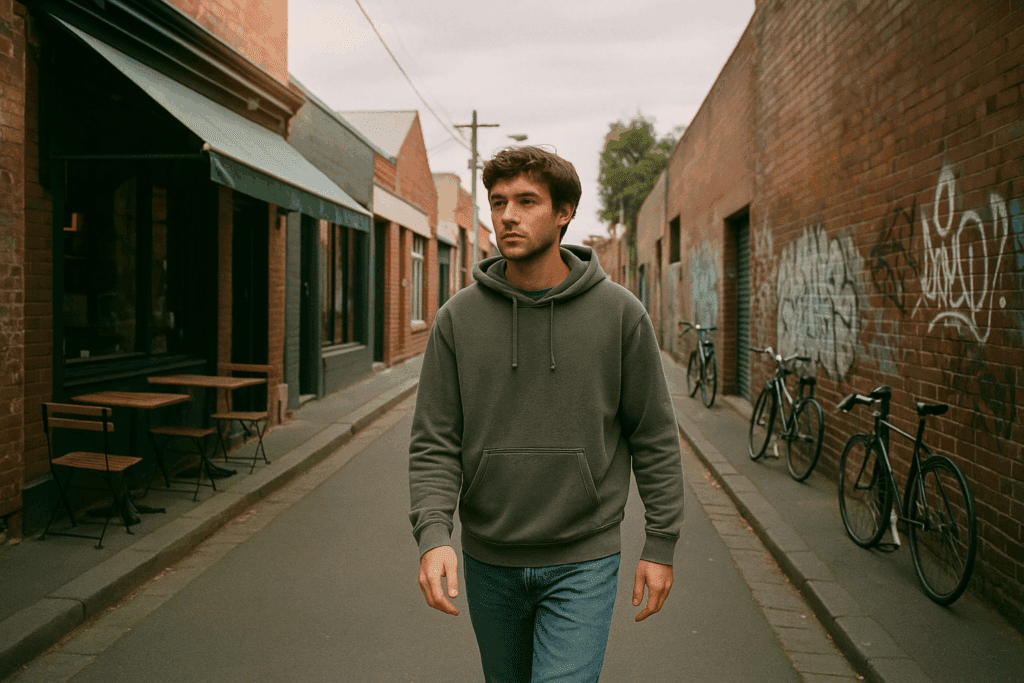
Sam arrived at twenty-five, soft-spoken, Australian, and already carrying the kind of fatigue you usually only see decades later in life. His body told the story before he ever did. The way he sat. The heaviness under his eyes. The cautious way he moved through the space, like someone who had learned not to expect much ease from his own nervous system.
He had been using since he was barely a teenager. Ice, GHB, Xanax, Suboxone – often stacked together, often pushed far beyond anything resembling safety. Smoked, swallowed, injected. It felt less like chasing a high and more like trying to outrun something that never stopped following him. He lived with asthma, PTSD, ADHD, and relied on medication just to keep his days from collapsing inward. Many mornings he looked like someone who had barely survived the night.
What stood out early was not confidence or optimism. It was willingness. Quiet, steady willingness. He didn’t talk much about wanting change. He didn’t posture, complain, or try to impress anyone. He simply showed up. Fully. There was a focus in him that felt different from desperation. He had tried treatment before – once as a teenager, again a few years later. Neither held. By the time he arrived this time, he wasn’t chasing hope so much as choosing to commit, even if he didn’t fully trust the outcome.
The early weeks were hard. Detox left him restless and wired. He paced the grounds late into the evening, trying to burn off anxiety that didn’t yet have an off switch. Sleep came in fragments. But gradually his breathing slowed. His posture softened. A joke appeared in passing conversation. A nod during group where previously there had only been silence. Small changes, but real ones.
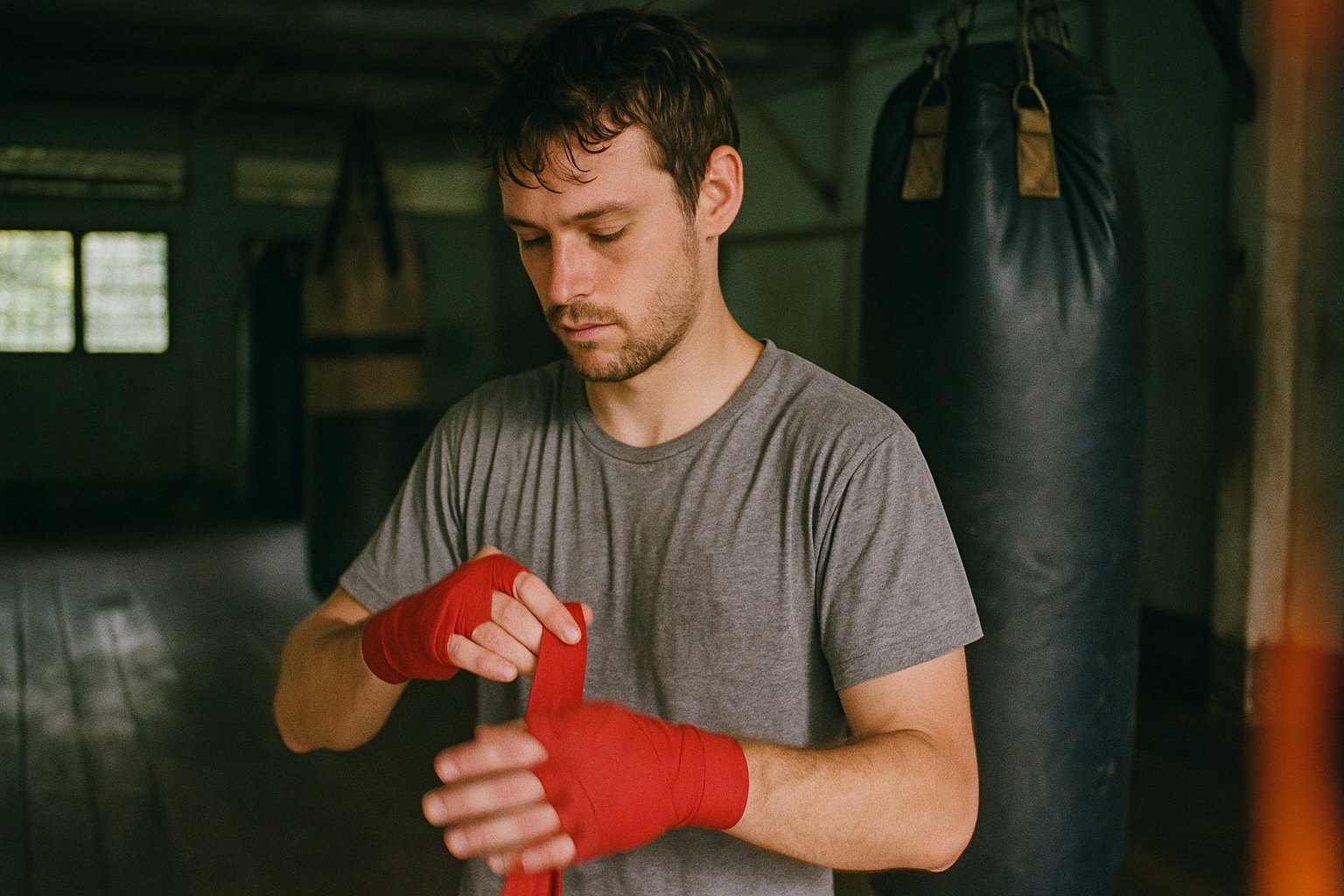
He had a natural gravity that others responded to without quite knowing why. One day his background in Muay Thai came up casually. Soon after, he started helping during gym sessions. No one asked him to step into that role. He simply did. Something shifted when he was moving, teaching, grounding himself in discipline again. His shoulders lifted. His voice steadied. There was dignity in how he carried himself that hadn’t been there before.
He chose to stay for six months. Not because he was required to. Because he wanted to give himself enough time to stabilize something that had always felt fragile. By the time he left, there was a rhythm to his days that didn’t depend on chaos to function. He kept checking in afterward. People followed his progress quietly, especially those who had trained alongside him. Without meaning to, he showed others what consistency could look like.
Sam never spoke in big statements about goals or transformation. His version of progress lived in ordinary actions: wrapping his hands before morning training, showing up when someone else was struggling, choosing not to disappear when things felt uncomfortable. Strength, for him, didn’t need to announce itself. It just kept moving forward.
Stories like Sam’s often raise practical questions for families and individuals who are trying to understand what actually supports long-term stability when choosing care. This independent overview on how to evaluate rehab options in Thailand outlines the kinds of factors people commonly consider when weighing environment, clinical structure, and long-term support.
Learn more about our group and individual counseling sessions.


