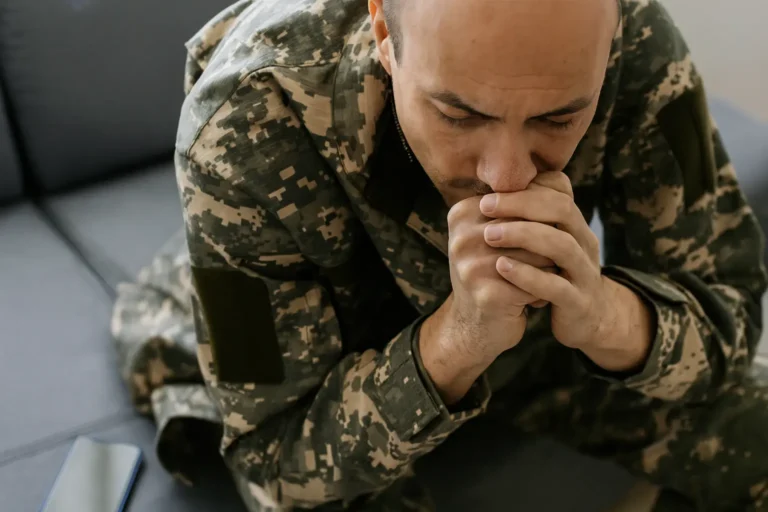
PTSD and addiction frequently occur together in veterans, as substances are often used to manage symptoms such as anxiety, hypervigilance, and sleep disruption.
For many veterans, PTSD does not appear as a single obvious symptom but as a constant state of tension, disrupted sleep, and heightened alertness that can make everyday life difficult to manage.
This connection between PTSD and substance use is not accidental and directly affects recovery outcomes if both conditions are not addressed together.
How Common Is Addiction in Veterans with PTSD?
Approximately 27 percent of veterans diagnosed with PTSD also have a substance use disorder, reflecting a strong clinical link between trauma exposure and addiction risk.
This statistic represents more than a number. It reflects a pattern observed across multiple studies and clinical settings. Veterans who experience combat, prolonged deployment, or traumatic events face elevated risk for both conditions.
The overlap is not coincidental. Trauma changes how the brain processes threat, memory, and emotion. Substance use can temporarily alter those same systems. When both are present, they interact in ways that complicate recovery.
Quick Answer: PTSD and Addiction in Veterans
PTSD and addiction often develop together because substances are used to reduce symptoms such as anxiety, intrusive memories, and sleep disruption, but over time they worsen overall stability.
- Substance use is often used to manage PTSD symptoms
- Short-term relief leads to long-term worsening
- Sleep disruption and anxiety increase over time
- Integrated treatment is required for recovery
- Stabilization is necessary before trauma processing
In practice, treating PTSD and addiction together leads to better outcomes than addressing either condition separately.
Why Do Veterans with PTSD Develop Addiction?
The table below summarizes why PTSD in veterans is strongly linked to substance use.
| PTSD Symptom | Substance Use Response | Result Over Time |
|---|---|---|
| Hypervigilance | Alcohol or sedatives to calm the system | Increased anxiety and dependency |
| Sleep disruption | Substances used to fall asleep | Worsening insomnia and fatigue |
| Intrusive thoughts | Drugs used to numb mental activity | Reduced coping ability over time |
| Emotional distress | Substances used to suppress feelings | Increased emotional instability |
Veterans with PTSD often develop addiction as a way to regulate ongoing stress responses, including hyperarousal, intrusive thoughts, and difficulty sleeping.
Understanding the PTSD-Addiction Loop: Nervous System, Coping, and Reinforcement
PTSD is not simply a memory problem. It is a whole-body response to perceived threat that persists long after danger has passed. The nervous system remains in a heightened state of alert, scanning for signals that might indicate risk.
This state, called hyperarousal, affects multiple systems at once. Heart rate may increase without obvious cause. Muscles stay tense. Breathing becomes shallow. The brain prioritizes threat detection over rest, digestion, or social connection.
For veterans, this physiological pattern often begins during deployment. The body adapts to survive in high-risk environments. Those adaptations do not automatically reset upon returning home. Instead, the system continues to operate as if threat is imminent.
When the body feels constantly on edge, relief becomes a priority. Substances like alcohol, cannabis, or prescription medications can temporarily reduce arousal. They may help quiet intrusive thoughts or make sleep feel more accessible.
This initial use is often functional. It serves a purpose: to reduce distress, to create a sense of control, to restore a feeling of normalcy. The behavior is not random. It is a logical response to an overwhelming internal state.
Over time, however, the coping mechanism shifts. The brain begins to associate substance use with safety. Neural pathways strengthen the connection between distress and relief. The behavior moves from occasional use to patterned reliance.
As tolerance builds, more of the substance is needed to achieve the same effect. Withdrawal symptoms emerge when use is reduced. Anxiety, irritability, and sleep disruption return with greater intensity. The original PTSD symptoms now feel worse.
This creates a reinforcement cycle. PTSD symptoms drive substance use. Substance use temporarily reduces symptoms. Withdrawal amplifies symptoms. Increased symptoms drive more use. The loop tightens with each repetition.
Real-world behavior reflects this cycle. A veteran may drink to fall asleep, then wake up anxious and reach for a substance to start the day. Social situations become harder to navigate without a buffer. Isolation increases, reducing access to natural support.
Emotional numbing, another common PTSD symptom, can also drive use. When feelings feel too intense or too inaccessible, substances offer a way to modulate that experience. The goal is not intoxication but regulation.
Triggers play a significant role. Sounds, smells, dates, or interactions can activate trauma responses without warning. Substances become a portable strategy for managing unexpected activation. The behavior is adaptive in the short term but destabilizing over time.
Understanding this loop matters for treatment. If only substance use is addressed, the underlying drivers remain. If only PTSD is addressed, the coping strategy may collapse without replacement. Both must be treated together for lasting change.
Common PTSD Symptoms That Lead to Substance Use
- Hypervigilance and constant tension
- Sleep disruption or insomnia
- Intrusive memories or flashbacks
- Emotional numbing or withdrawal
- Difficulty regulating stress
Why Standard Rehab Environments Often Fail Veterans with PTSD
Many treatment programs operate on assumptions that do not match the needs of a dysregulated nervous system. High-volume settings, unpredictable schedules, and frequent staff changes can activate rather than calm trauma responses.
Veterans with PTSD often require environments that prioritize predictability. Sudden changes to routine, unclear expectations, or inconsistent support can trigger defensive responses. The nervous system interprets unpredictability as potential threat.
High-stimulation spaces also pose challenges. Loud noises, crowded common areas, or rapid transitions keep hypervigilance active. Instead of resting, the body remains in scanning mode. Recovery requires the opposite: conditions that signal safety.
Trust is another critical factor. Trauma can make it difficult to rely on others. Frequent staff rotation interrupts the process of building rapport. Without trust, deeper therapeutic work becomes harder to access.
Timing matters as well. Introducing trauma-focused content before stabilization is achieved can overwhelm coping capacity. Sleep, regulation, and basic safety need to improve first. Otherwise, processing trauma may increase distress rather than reduce it.
In practice, environments that reduce unpredictability improve stabilization outcomes. Predictable routines, clear communication, and consistent support create the conditions necessary for nervous system recovery.
This is not about lowering standards. It is about matching care design to clinical need. Veterans with PTSD and substance use benefit from settings that understand how trauma affects the body and behavior.
Some structured residential programs, such as Siam Rehab, work specifically with veterans experiencing PTSD and substance use by combining trauma-informed care with addiction treatment in a controlled environment.
What Is the Best Treatment for Veterans with PTSD and Addiction?
The most effective treatment combines stabilization, trauma-informed therapy, and addiction treatment within a structured environment that reduces stress on the nervous system.
What Treatment Works for Veterans with PTSD and Addiction?
The table below outlines how treatment is typically structured for veterans with PTSD and addiction.
| Treatment Phase | Primary Focus | Why It Matters |
|---|---|---|
| Stabilization | Sleep, nervous system regulation | Reduces acute stress and prepares for deeper work |
| Integrated Treatment | PTSD and addiction treated together | Prevents one condition from triggering the other |
| Continuation | Aftercare and relapse planning | Supports long-term recovery outside treatment |
Effective care for veterans with co-occurring PTSD and addiction follows a phased approach. Each phase addresses specific needs while preparing for the next stage of recovery. Skipping phases or addressing conditions in isolation often leads to incomplete progress.
Phase one focuses on stabilization. The goal is to reduce acute distress and create a foundation for deeper work. This phase prioritizes sleep restoration, nervous system regulation, and reduction of immediate stressors.
Sleep is often the first target. Chronic insomnia or nightmares exhaust coping resources. Interventions may include sleep hygiene education, environmental adjustments, and medical support when appropriate. Improving sleep increases capacity for everything that follows.
Nervous system regulation is the second focus. Techniques such as breathwork, grounding exercises, and somatic practices help the body relearn safety. The aim is not to eliminate stress but to increase tolerance for manageable levels of activation.
Reducing acute stress load is the third component. This may involve limiting exposure to triggering content, simplifying daily demands, or adjusting social expectations. The nervous system needs space to reset before taking on new challenges.
Phase two introduces integrated treatment. This means addressing PTSD and addiction simultaneously rather than sequentially. Therapies are selected for their ability to work with both conditions at once.
Trauma-informed cognitive behavioral therapy helps identify patterns without judgment. Eye movement desensitization and reprocessing (EMDR) can process traumatic memories while maintaining regulation. Motivational interviewing supports engagement without pressure.
Group work is introduced carefully. Veterans benefit from peer connection, but group dynamics must be managed to avoid retraumatization. Small groups, clear guidelines, and skilled facilitation make this component effective.
Medical support continues throughout this phase. Medication management, when indicated, addresses co-occurring conditions like depression or anxiety. The focus remains on supporting function, not masking symptoms.
Phase three prepares for continuation. Recovery does not end at discharge. This phase focuses on planning for triggers, building structure, and securing ongoing support.
Trigger planning involves identifying high-risk situations and developing response strategies. Veterans practice skills in session before applying them in real life. The goal is confidence, not perfection.
Structure planning addresses daily routines. Sleep schedules, meal times, physical activity, and social connection are mapped out. Predictability reduces decision fatigue and supports regulation.
Support planning connects veterans to resources after discharge. This may include outpatient therapy, peer support groups, family education, or community services. The aim is a network, not a single point of contact.
In practice, treatment that stabilizes the nervous system first leads to better engagement in trauma-focused work. When the body feels safer, the mind can process difficult material without becoming overwhelmed.
Financial considerations often influence access to care. Veterans exploring options may find it helpful to review VA-covered addiction treatment guidelines before making decisions. Understanding eligibility can reduce uncertainty and support informed choices.
For additional resources, the veterans hub offers guides on coverage, treatment options, and recovery planning.
What type of rehab works best for veterans with PTSD?
Programs that reduce environmental stress and integrate trauma-informed care with addiction treatment are generally more effective, particularly in structured residential settings.
Common Questions About PTSD and Addiction in Veterans
Why do veterans with PTSD use drugs or alcohol?
Substances are often used to reduce symptoms such as anxiety, hypervigilance, and sleep disruption.
How common is addiction in veterans with PTSD?
Approximately 27 percent of veterans with PTSD also have a substance use disorder.
What is dual diagnosis treatment?
Dual diagnosis treatment addresses both PTSD and addiction at the same time rather than treating them separately.
Can PTSD cause drug addiction?
PTSD does not directly cause addiction, but it significantly increases risk by creating conditions where substance use becomes a coping strategy.
What treatment works best?
The best treatment combines stabilization, integrated therapy, and continuation planning within a predictable, low-stress environment.
Related Questions About PTSD and Addiction in Veterans
Is PTSD linked to substance abuse?
PTSD is strongly linked to substance abuse due to its effects on stress regulation and emotional control.
Do all veterans develop addiction?
Not all veterans develop addiction, but risk is significantly higher compared to the general population.
What is dual diagnosis?
Dual diagnosis refers to the co-occurrence of a mental health condition like PTSD and a substance use disorder.
Can PTSD cause addiction?
PTSD can contribute to addiction risk when substances are used repeatedly to manage distressing symptoms.
What is the best treatment?
The best treatment combines stabilization, therapy, and long-term support planning tailored to veteran needs.
Are veterans at higher risk?
Yes, veterans face elevated risk for both PTSD and addiction due to exposure to trauma and prolonged stress.
How long does recovery take?
Recovery timelines vary, but meaningful progress often begins once stabilization and integrated treatment are in place.
When to Seek Help
For veterans whose symptoms are not improving in high-noise, unpredictable, or high-volume treatment settings, a more structured residential environment may be necessary to stabilize before engaging in trauma-focused therapy.
If PTSD symptoms and substance use are reinforcing each other, early intervention improves outcomes by interrupting the cycle before it becomes more difficult to stabilize.
Many veterans wait until consequences feel severe before reaching out. Relationships suffer. Work performance declines. Health concerns emerge. By then, the cycle has deepened, and recovery requires more intensive support.
Early intervention does not require perfect clarity. You do not need to be certain that PTSD and substance use are connected. You only need to notice that symptoms are affecting your life in ways that matter to you.
Practical signs include using substances to sleep, to relax, or to get through the day. Other indicators include increased irritability, social withdrawal, or difficulty concentrating. If these patterns feel familiar, it is worth exploring support options.
Seeking help is not a sign of failure. It is a strategic decision to invest in stability. The goal is not to erase the past but to build a present where symptoms no longer dictate daily choices.
Starting the conversation is often the hardest step. Describe what you are experiencing: sleep patterns, triggers, substance use, and what makes symptoms better or worse. This information helps match you to the right level of care.
Recovery is possible. It begins with interrupting the cycle and creating conditions where the nervous system can relearn safety. With consistent support, veterans can rebuild a life that feels manageable and meaningful.


