
Alcohol misuse is a growing concern among some expatriates living in Thailand. Contributing factors can include social isolation, cultural adjustment challenges, retirement-related lifestyle changes, and the widespread availability of inexpensive alcohol. Understanding these risks and the treatment pathways available in Thailand can help individuals and families recognize when professional support may be necessary.
Alcoholism among expats in Thailand typically develops through a combination of social isolation, retirement-related loss of routine, and the low cost and wide availability of alcohol in tourist and expat-frequented areas. Hazardous drinking can progress into physical dependence, marked by tolerance and withdrawal symptoms, without an obvious single turning point. Treatment pathways in Thailand generally follow the same sequence: screening, medically supervised detox where withdrawal risk is present, then ongoing outpatient or residential care.
Alcohol Use and Expats: Context and Prevalence
Thailand’s regulatory environment permits alcohol sales across extended hours in most provinces, with pricing structures that place beer and spirits well below costs typical in North America, Europe, or Australia. A domestic beer frequently retails between 60 and 90 Thai baht in convenience stores, while imported options remain accessible in expatriate-frequented venues. This economic accessibility, combined with tourism-oriented nightlife infrastructure, creates an environment where regular consumption can transition toward dependency without obvious external markers.
Community forums such as ASEAN NOW document recurring patterns: individuals who initially viewed drinking as a social activity gradually report increased tolerance, morning consumption, or using alcohol to manage sleep disruption. Medical professionals working with expatriate populations note that these trajectories often coincide with life transitions—retirement, job loss, or relationship changes—that reduce external structure.
Alcohol Consumption in Thailand: Public Health Context
Thailand maintains one of the higher per-capita alcohol consumption rates in Southeast Asia according to international public health monitoring. National health campaigns frequently focus on alcohol-related traffic fatalities and liver disease, which remain significant contributors to preventable mortality. While these statistics apply primarily to the Thai population, expatriates living within the same regulatory and social environment are exposed to similar structural risks. Public health researchers note that relocation stress, reduced social accountability, and lifestyle transitions associated with long-term travel or retirement can amplify existing drinking patterns when combined with the accessibility of alcohol in tourism-driven economies.
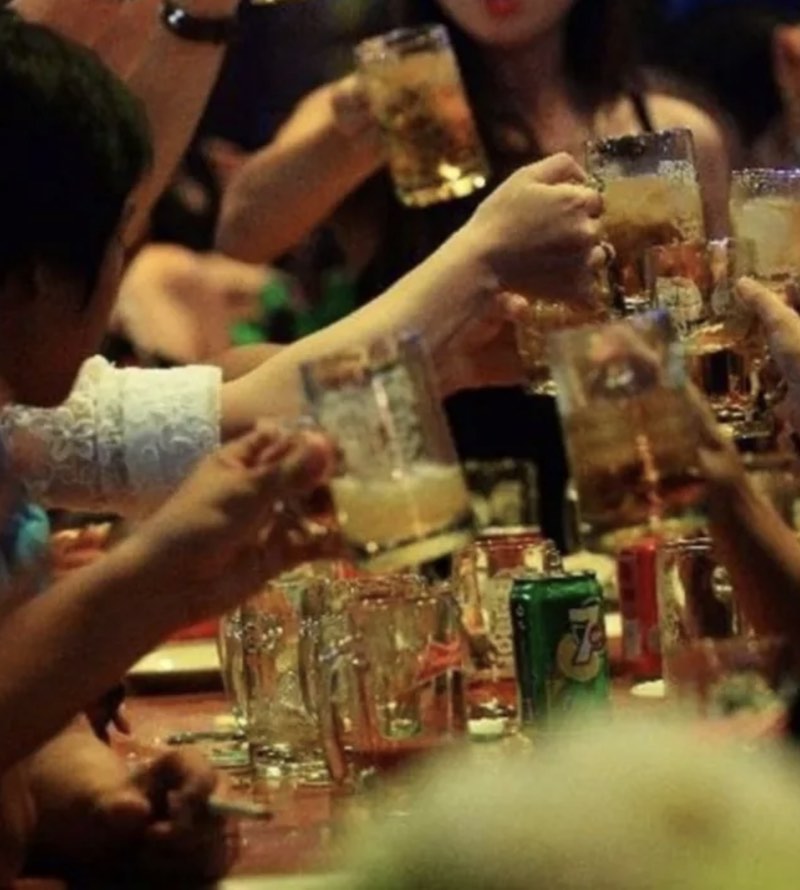
How Alcohol Dependence Develops in Expat Communities
Dependence rarely emerges from a single cause. Among expatriates in Thailand, several structural conditions interact to elevate risk. Cultural displacement reduces access to familiar support networks, while language barriers complicate engagement with local health services. Retirement visas, digital nomad arrangements, or underemployment can remove daily routines that previously moderated consumption. Social venues catering to foreigners often center interaction around alcohol, reinforcing its role as a primary connector. Over time, physiological adaptation to regular intake combines with psychological reliance, creating a pattern that persists even when initial triggers resolve.
Why do some expatriates develop alcohol problems after moving to Thailand?
Relocation disrupts established routines and support systems. When combined with Thailand’s affordable alcohol, tourism-oriented social environments, and potential isolation from family, some individuals increase consumption to manage stress or loneliness. Without early intervention, physiological tolerance and habitual use can develop into dependence, particularly among those with pre-existing mental health conditions or limited local language skills.
1. Social Isolation and Cultural Adjustment
Forming meaningful connections in a new cultural context requires time and effort. Expatriates who struggle with Thai language acquisition or who reside in areas with transient foreign populations may experience prolonged isolation. Alcohol initially serves as a social lubricant in expatriate gatherings, but reliance on this mechanism can limit development of broader coping strategies or deeper community integration.
2. Retirement & Underemployment
Individuals who relocate after career conclusion or who work remotely without structured schedules may encounter reduced daily purpose. The absence of workplace routines, combined with Thailand’s climate and leisure-oriented infrastructure, can shift drinking from evening activity to daytime pattern. Medical literature identifies loss of role identity as a recognized risk factor for substance misuse among older adults in cross-cultural settings.
3. High Availability & Low Cost
Thailand’s alcohol pricing, influenced by local production and taxation policy, places regular consumption within reach of most foreign residents. Convenience stores, supermarkets, and bars operate with minimal friction in tourist zones. While regulations restrict sales during certain Buddhist holidays and limit hours in some provinces, enforcement varies. This environment reduces practical barriers to frequent intake.
4. Lack of Support Networks
Distance from family members, combined with limited familiarity with Thai healthcare navigation, delays recognition of problematic use. Mental health stigma, present across many cultures, may be amplified when individuals fear visa implications or lack confidence in explaining symptoms across language differences. Early intervention opportunities are consequently missed.
Alcohol Misuse vs Alcohol Dependence
Medical professionals distinguish between hazardous alcohol use and alcohol dependence. Hazardous use refers to consumption patterns that increase health risks without necessarily producing physical withdrawal symptoms. Dependence, by contrast, involves neurobiological adaptation to alcohol, characterized by tolerance, withdrawal symptoms, and difficulty reducing intake despite negative consequences. Among expatriate populations, hazardous use often begins in social settings but can gradually transition toward dependence as drinking frequency increases and physiological tolerance develops. Recognizing this distinction helps clinicians determine whether an individual requires brief counseling, outpatient monitoring, or medically supervised detoxification.
How Treatment Pathways Work in Thailand
Accessing addiction support in Thailand typically follows a sequence: initial contact, clinical screening, stabilization if needed, then ongoing care. Foreign residents often begin by contacting an English-speaking medical facility, a community support group, or a crisis hotline. Screening assessments evaluate consumption patterns, physical health status, and co-occurring mental health conditions. For individuals with significant physiological dependence, medically supervised detoxification in a hospital setting manages withdrawal risks. Long-term recovery frequently incorporates peer support groups, periodic psychiatric follow-up, and lifestyle adjustments to sustain progress.
Can foreigners access addiction treatment in Thai hospitals?
Yes. Thai public and private hospitals accept foreign patients for addiction-related care. Public facilities offer lower-cost services but may have limited English-language support; private hospitals typically provide interpreters and international patient departments. Treatment scope ranges from outpatient counseling to inpatient detoxification, depending on clinical need and facility capacity. Advance inquiry about language services and payment options is recommended.
Medical Risks of Alcohol Withdrawal
Individuals with long-term alcohol dependence may experience clinically significant withdrawal symptoms when consumption stops abruptly. These symptoms range from tremor, anxiety, nausea, and insomnia to more severe complications such as seizures or delirium tremens. Delirium tremens represents a medical emergency characterized by confusion, hallucinations, and cardiovascular instability. Because of these risks, individuals who consume alcohol heavily on a daily basis are often advised to undergo detoxification in a medically supervised environment rather than attempting abrupt cessation alone. Thai hospitals with psychiatric or addiction units typically use benzodiazepine-based protocols and continuous monitoring to manage withdrawal safely while assessing broader treatment needs.
For individuals experiencing repeated alcohol withdrawal symptoms, increasing tolerance, or difficulty stopping despite health or relationship consequences, additional clinical support may become necessary. Some expatriates living in Thailand later explore alcohol addiction treatment options when outpatient support or repeated detoxification attempts are no longer sufficient.
Recent Trends and Government Response
In late 2024, Thai officials again considered tightening alcohol regulations—especially regarding the hours and locations of alcohol sales. The government has also launched periodic public awareness campaigns, especially around major holidays, when alcohol-related traffic deaths spike.
Despite these efforts, long-term, free or low-cost treatment services remain limited—especially for non-Thai speakers.
Resources for Alcohol Addiction Support in Thailand
If you are an expat in Thailand struggling with alcohol misuse and prefer non-commercial, hospital-based, or charitable help, the following resources may assist:
🇹🇭 1. Thai Ministry of Public Health – Mental Health and Addiction Services
Most government hospitals in Thailand provide some form of psychiatric or addiction treatment, including detox support and outpatient care. Services vary by location, but they usually include:
- Screening and assessment
- Psychiatric evaluation and medications
- Inpatient detox (in large regional hospitals)
- Referrals to rehab or support groups
🔗 Thai Department of Mental Health (Thai only)
🔗 English-speaking contact points may be available via the hospital’s International Department.
🏥 2. Bangkok Hospital Group (Public-Sector Partnerships)
Larger hospitals in the Bangkok Hospital network may offer addiction-related care via their psychiatric or behavioral health departments. While some of these hospitals operate privately, several have cooperative agreements with the public health system and NGOs.
🔗 Example hospital with English-speaking support:
Ask specifically for the Behavioral Health or Psychiatric Department.
🎗️ 3. The Mirror Foundation
A Thai NGO that primarily supports rural communities and minority groups, The Mirror Foundation occasionally offers assistance or referrals for individuals struggling with substance abuse and mental health.
🔗 mirror.or.th (Thai/English)
🧑🤝🧑 4. Alcoholics Anonymous (AA) Thailand
AA Thailand provides peer-led support groups based on the 12-step model. Meetings are held in cities such as Bangkok, Chiang Mai, Pattaya, Phuket, and Udon Thani.
🔗 AA Thailand Official Website
They offer:
- English-language meetings
- Online meetings
- Daily meeting directories
AA is completely non-commercial and anonymous.
📞 5. 1323 Mental Health Helpline
The Thai government’s 1323 hotline offers 24/7 crisis support for people dealing with mental health or substance abuse issues. Some operators speak limited English. You can also visit most Thai government hospitals and ask for a referral to the Substance Use Treatment Unit.
📞 Dial 1323 from any Thai phone
🔗 Mental Health Hotline Info
🏥 6. Suan Prung Psychiatric Hospital (Chiang Mai)
This public hospital has a Substance Abuse Treatment Unit and offers detox, inpatient, and outpatient treatment options. It’s a go-to resource for expats in the North.
📍 Chiang Mai
🔗 suanprung.go.th (Thai only – interpreter recommended)
Are there English-speaking alcohol support groups in Thailand?
Yes. Alcoholics Anonymous Thailand coordinates English-language meetings in Bangkok, Chiang Mai, Pattaya, Phuket, and Udon Thani, with additional online options. These peer-led groups follow the 12-step model and maintain confidentiality. Some private hospitals and international clinics also facilitate expatriate-focused support sessions, though availability varies by location and should be confirmed directly.
Understanding Treatment Options: Hospital-Based vs. Residential Care
Thai public hospitals provide medically supervised detoxification for individuals with physiological alcohol dependence. This phase addresses withdrawal risks—such as seizures or delirium tremens—through monitored medication protocols. Following stabilization, patients may transition to outpatient psychiatric services offering counseling and relapse prevention planning. Some people may also require a longer period of care away from the routines, social environments, or personal circumstances that contributed to repeated drinking or relapse. Depending on individual needs, this can include ongoing counseling, psychiatric support, peer groups, and recovery-focused daily routines during the first stages of sobriety. The choice between pathways depends on clinical severity, social support availability, visa considerations, and financial resources.
While this article focuses on non-profit and hospital-based services, some foreign residents may also consider longer-term alcohol treatment options in Thailand when repeated relapse, unstable living conditions, or limited local support make outpatient care difficult to maintain.
Healthcare Navigation Considerations for Foreign Residents
Language differences represent a primary barrier to accessing addiction services in Thailand’s public system. While major urban hospitals increasingly employ international patient coordinators, rural facilities may lack dedicated English-language support. Private hospitals typically bridge this gap through interpreters or multilingual staff, though costs are higher. Foreign residents should verify insurance coverage for addiction treatment in advance, as some policies exclude substance-related care. Visa status generally does not restrict access to emergency or psychiatric services, but long-term residential programs may require documentation of legal residence or travel flexibility.
When Medical Stabilization Needs Follow-Up Care
For some individuals, medical stabilization addresses the immediate physical risks of alcohol withdrawal, but ongoing care is still needed when the drinking pattern is linked to isolation, anxiety, depression, unstable routines, or repeated relapse.
In these situations, clinicians may recommend a longer period of care that can include outpatient counseling, psychiatric follow-up, peer-support participation, or English-speaking addiction treatment programs in Thailand for individuals who need continued support while rebuilding stability in early recovery.
For some expatriates in Thailand, alcohol problems gradually become connected to broader patterns of drug use as well. Nightlife exposure, social isolation, cannabis use, stimulants, sleeping pills, and self-medication for anxiety or depression can overlap in ways that are not always obvious initially. Readers wanting a broader overview of drug addiction risks among expatriates living in Thailand may find it useful to explore how these patterns can develop across different substances and environments.
Environmental Triggers and Relapse Risk in Thailand
For some expatriates, returning to the same nightlife-centered routines, isolation, or heavy-drinking social circles after treatment can make early recovery more difficult. Constant exposure to bars, late-night entertainment, and alcohol-focused environments may increase the risk of relapse during the first months after leaving rehab.
Because of this, some people recovering from addiction in Thailand choose treatment settings located away from major entertainment districts, where daily life is quieter and early recovery is less centered around nightlife or alcohol-focused social environments. Northern areas such as Chiang Rai are sometimes selected for this reason.
Many people also continue with ongoing support after treatment, including counseling, peer-support meetings, regular check-ins, family involvement, or continued recovery planning designed to help maintain long-term stability after returning to everyday life.
Some treatment programs in northern Thailand are located away from major nightlife districts and alcohol-centered tourist areas, which may help reduce environmental triggers during the early stages of recovery.
Not sure what level of support you need?
We’re happy to talk through your situation – no pressure, no commitment. Reach us on WhatsApp from anywhere in the world.
Final Considerations
Alcohol misuse among expatriates in Thailand reflects intersecting factors: regulatory environment, social dynamics, and individual vulnerability. Recognition of problematic patterns benefits from understanding local healthcare structures and support mechanisms. Hospital-based services provide clinical assessment and detoxification; peer groups offer ongoing community; NGOs and hotlines supply initial guidance. Early engagement with these resources improves outcomes by addressing physiological dependence before complications escalate. Individuals concerned about their own consumption or that of a family member can begin with a confidential conversation through an English-language support channel or a hospital international department.
✅ Summary of Free and Low-Cost Support Options in Thailand:
The table below outlines key organizations offering addiction-related support in Thailand. Contact details and service availability may change; verifying current offerings directly is recommended before seeking assistance.
| Organization | Type | Link |
|---|---|---|
| Thai Dept. of Mental Health | Government | dmh.go.th |
| 1323 Mental Health Line | Crisis Helpline | Call 1323 |
| Alcoholics Anonymous Thailand | Peer Support | aathailand.org |
| Suan Prung Psychiatric Hospital | Public Detox | suanprung.go.th |
| Mirror Foundation | NGO / Referrals | mirror.or.th |


'/%3E%3Cpath%20fill='%23b2b2b2'%20d='M241%20382q0%2016%2017%2026%2017%2011%2042%2011t42-11q16-11%2017-26V269H241'/%3E%3Cpath%20fill='%239f7e00'%20d='M241%20379q0%2014%208%2023%209%209%2021%209%2014%200%2021-9%209-9%209-23V269h-59'/%3E%3Cpath%20d='M241%20339v-70h59v110q0%2014-9%2023l-6%205v-68h-15v72q-8%200-14-4v-68zm59%2040c0%2022%2015%2032%2029%2032%2021%200%2030-18%2030-32v-40h-59'/%3E%3Cpath%20fill='%239f7e00'%20d='M266%20277v5h2v12h-3v-5h2v-5h-9v5h2v5h-4v9h3v18h-5v10h34v-10h-5v-18h3v-9h-4v-5h2v-5h-9v5h2v5h-3v-12h2v-5zm42%20101q0%2010%206%2017%206%206%2015%207%2010-1%2016-7%206-7%206-17v-29h-43'/%3E%3Ccircle%20fill='%230044ad'%20cx='329.5'%20cy='372'%20r='6'/%3E%3Cellipse%20fill='%230044ad'%20cx='300'%20cy='340'%20rx='16'%20ry='21'/%3E%3C/svg%3E)