
Understanding Non 12-Step Rehab Programs
Non 12-step rehab programs are designed for individuals who do not identify with traditional 12-step models or who require a more individualized, clinically grounded approach to treatment. These programs are commonly chosen by people who are high-functioning, have co-occurring mental health concerns, or whose substance use developed gradually and does not fit stereotypical definitions of addiction.
Many people considering non 12-step care first question whether their situation qualifies as addiction at all. If this uncertainty applies, the following clarification resource may be helpful: when substance use does not look like addiction. It addresses gray-area patterns that often lead individuals to non 12-step programs.
At Siam Rehab, non 12-step treatment is based on evidence-informed clinical practice, individualized assessment, and practical skill development rather than a fixed philosophical framework. The focus is on stabilizing health, understanding substance use patterns, and building realistic strategies for long-term recovery.
What Is a 12-Step Program?
12-step programs originated with Alcoholics Anonymous (AA) in 1935 and later expanded to address other substances. The model follows a defined set of steps emphasizing acceptance of powerlessness over addiction and reliance on a higher power, typically framed in spiritual or religious terms.
For some individuals, this structure and peer support are effective. For others, the spiritual framing, fixed philosophy, or group-driven format may not align with personal beliefs, clinical needs, or learning style.
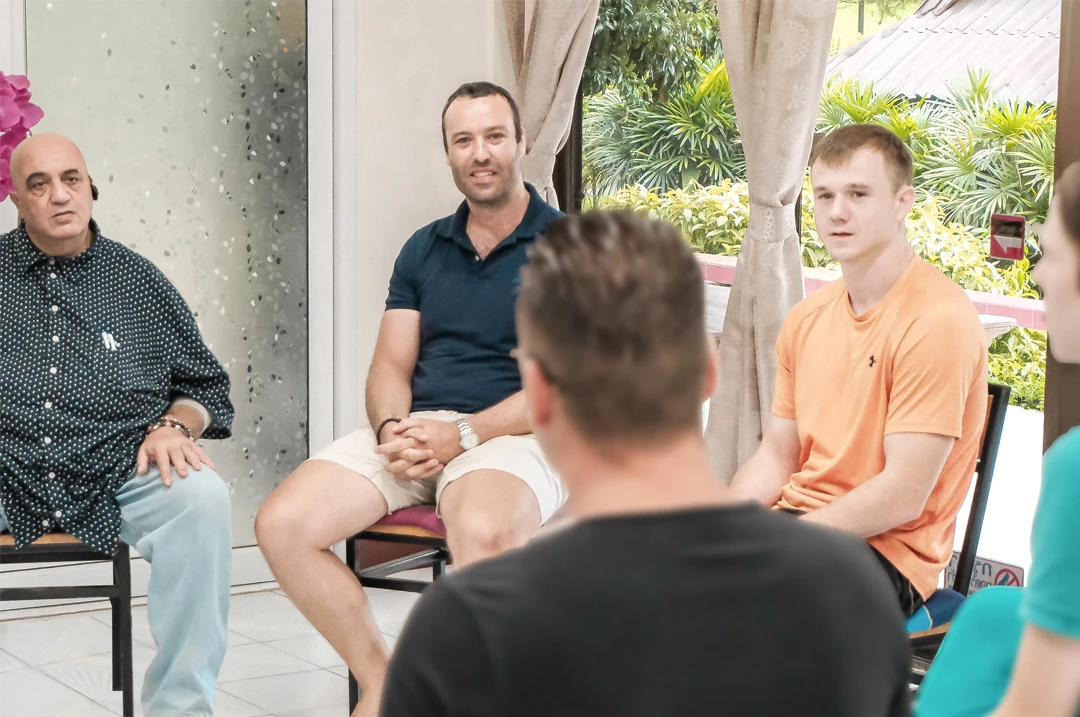
Clinical evidence and long-term outcome data suggest that no single treatment model is effective for everyone. Some analyses indicate that traditional 12-step participation does not produce consistent outcomes across all populations and presentations. An overview of this data is available here.
Why Some People Choose Non 12-Step Rehab
1. Individualized Treatment Planning
Non 12-step programs begin with clinical assessment rather than assumptions. Treatment plans are tailored to each individual’s substance use history, mental health profile, physical health, and real-world responsibilities.
2. Evidence-Based Clinical Methods
Therapeutic approaches are drawn from established clinical models, including behavioral and trauma-informed therapies. Interventions can be adjusted as clinical needs evolve.
3. Whole-Person Focus
Treatment addresses physical health, emotional regulation, behavioral patterns, and psychological drivers of substance use. This is particularly relevant for individuals with anxiety, depression, trauma histories, or stress-related substance use.
4. No Religious Requirement
Non 12-step rehab does not require belief in or submission to a higher power. This allows individuals to engage fully in treatment without conflict with personal beliefs.
5. Emphasis on Skill Development and Responsibility
Clients are encouraged to understand their behavior patterns, take responsibility for change, and build practical coping strategies that can be applied outside a treatment setting.
6. Structured Peer Support
Group therapy is clinically facilitated and structured, emphasizing safety, relevance, and accountability rather than open-ended or unmoderated sharing.
7. Flexibility in Duration and Modalities
Non 12-step programs often allow flexibility in length of stay and combine individual therapy, group work, and complementary practices such as fitness or mindfulness when clinically appropriate.
8. Integrated Dual Diagnosis Treatment
Many individuals entering treatment have co-occurring mental health conditions. Non 12-step programs typically integrate mental health care rather than treating substance use in isolation.
9. Individualized Aftercare Planning
Discharge planning focuses on realistic next steps, including outpatient therapy, structured living, continued clinical monitoring, or other supports based on relapse risk.
Siam Rehab’s non 12-step approach combines structured clinical care with supportive physical and wellness activities, including fitness training, boxing, yoga, massage, and meditation, alongside psychotherapy and medical oversight. All care is delivered by trained and qualified professionals.
If you would like to explore whether a non 12-step program may be appropriate, you can contact us for further information.
For a detailed explanation of the traditional model, see: 12-step treatment and rehabs uncovered.


