
Nurses Can Have Addictions Too
When people think about a nurse, they will often think about their nurturing care and willingness to put others first. Most nurses choose their profession based on these characteristics, and they work hard to establish themselves. While nurses are highly regarded in every country, they are humans too, and not immune from experiencing stress, depression, and even the development of an addiction.
When anyone has an addiction, regardless of their profession, they will be struggling. It is not a choice to become addicted to something, but rather a disorder of the brain. In general, people do not intend to become addicted to alcohol or drugs. It is something that can happen, especially with continued use. Once someone has developed an addiction, it may be very difficult to get sober.
Given their profession as a person who treats many conditions and illnesses, with varying outcomes, nurses are not immune to substance abuse. In fact, addiction amongst nurses is unfortunately high in the western world. For nurses who continue to practice while struggling with an addiction, the stakes are high. If a nurse is caught abusing alcohol or drugs, he or she could lose their career. For this reason, many of them are considered to be high-functioning addicts. More often than not, those closest to them have no idea about the addiction.
There is hope. Nurses with an addiction do not need to suffer alone, and in silence. They also don’t need to be afraid of losing their career and everything they have worked for.
According to recent data, 10 percent of the United States’ 3.9 million nurses have an addiction. Data for other countries like the United Kingdom and Australia has not been released. However, governments in Australia have discussed concerns about the high rate of nurses with addictions.
Nurses are considered to be a group of professionals who are considered to work in high stress situations, and are more vulnerable to addictions. Other professionals in this group include pilots, military veterans, police officers, lawyers, ambulance personnel, and dentists. Prescription painkillers and amphetamines are the most common drug abused by nurses. Alcohol is also a top substance of abuse.
Risk Factors of Nurses
Nurses are exposed to unique challenges. This is simply because of what they do. At the same time, every nurse has his or her own biological and genetic makeup. This also defines who they are. When it comes to nurses with an addiction, the most common risk factors may include environmental and biological factors. They might also experience factors like:
Long Shifts – It is not uncommon for a nurse to work 12-15 hours, scheduled back to back or overnight. They can be exhausted, and this can contribute to a nurses’ interest in stimulants like amphetamines, Adderall, or cocaine. These drugs can help a nurse to stay awake and alert; however, they are very addicting.
Access – Nurses have access to many different medications, which can increase their risk for abusing them. Even though they must maintain a count of these drugs, it is certainly possible to abuse them.
Stress – The profession of a nurse can be stressful. Patients often rely on the nurse to keep them healthy, and in some cases, alive. The ongoing stress can cause fatigue, anxiety, and emotional breakdowns. These feelings have the potential to trigger the onset of abuse or addiction.
Genetics – Nurses who have family members with a history of addiction or mental health problems may be at an increased risk for substance abuse or addiction.
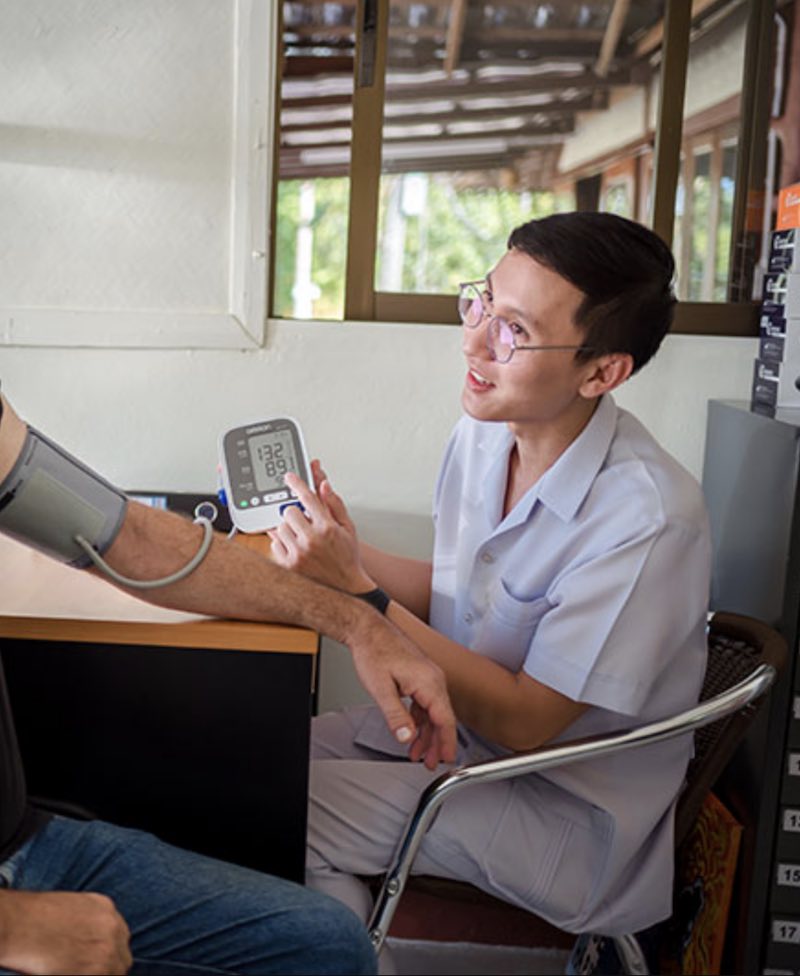
Addiction Treatment for Nurses at Siam Rehab
At Siam Rehab, a rehab in Thailand, we know how a profession, such as nursing, can act as a catalyst for drug or alcohol dependency. As a leading rehab in Thailand, our team understands the stressors nurses may be dealing with. We know that sometimes, a nurse will develop an addiction and need help. We are proud to offer our programme for nurses with an addiction. During the treatment process, our nurse clients will have access to a supported detoxification, therapies, fitness and exercise, meditation, yoga, and aftercare options. Because we are a rehab in Thailand, we are able to offer the utmost confidentiality and privacy. Many of our nurse clients appreciate the ability to take a holiday, or vacation, to Thailand for rehab. From the moment treatment at Siam Rehab begins to the time they graduate and get back to their life, we will offer guidance, support, and knowledge to every nurse who comes our way.
If you are a nurse with an addiction and ready to get professional help, call Siam Rehab, we can help.
