Residential rehab in South Australia is available through three paths: free public programs with a wait of weeks to months, private hospital-based programs costing $15,000 to $40,000+ for a 28-day stay with admission in days to weeks, and international residential programs that cost less than domestic private care with similarly fast admission. The right choice depends on whether the situation needs hospital-grade medical oversight, how much time the wait can safely absorb, and what’s actually affordable.
Public residential rehabilitation in South Australia is accessed through the Alcohol and Drug Information Service (ADIS) on 1300 13 1340, available 8:30am to 10pm daily, and is free for South Australian residents. That window matters more than it looks: unlike the equivalent 24-hour lines in some other states, ADIS in South Australia has no overnight coverage, so a crisis that develops after 10pm has no dedicated state-run alcohol and drug line to call until the morning. New ROADS, the state’s largest public provider, operates across metropolitan Adelaide and regional sites including Mt Gambier, Whyalla, and the Riverland. Private hospital-based programs at The Adelaide Clinic and Ramsay Clinic Adelaide typically admit within days and are partly covered by private health insurance with hospital cover.
What Does Residential Rehab in South Australia Cost?
Public residential rehabilitation in South Australia is free through government-funded services, accessed via the Alcohol and Drug Information Service (1300 13 1340). Private residential programs at hospital-based facilities vary based on program length and insurance coverage, typically $15,000 to $40,000+ for a 28-day stay. International residential programs in Thailand cost less than equivalent Australian private programs – see the Thailand rehab cost breakdown for current figures, including what is and is not included at each program length.
| Factor | Public SA | Private SA | International |
|---|---|---|---|
| Cost for 28 days | Free | $15,000 – $40,000+ AUD | Less than domestic private – see cost guide |
| Time to admission | Weeks to months | Days to weeks | Days to 2 weeks |
| Privacy from home environment | Limited – same city or region | Moderate – same city | Complete geographic separation |
To confirm current availability and establish whether a program fits your situation, a direct call to any admissions team takes 15 minutes and requires no commitment to proceed.
Public Residential Rehabs in South Australia
SA Health funds residential rehabilitation through a network of community service organisations across the state. The primary entry point is the Alcohol and Drug Information Service (ADIS) on 1300 13 1340, available any day between 8:30am and 10:00pm. A counsellor assesses your situation and coordinates referral to appropriate programs. Self-referral is also accepted at most facilities.
New ROADS – Uniting Communities
New ROADS is South Australia’s largest public residential rehabilitation provider, operating through Uniting Communities. Programs are available across metropolitan Adelaide and regional sites including Mt Gambier, Whyalla, and the Riverland – making it accessible to South Australians outside the capital. The program uses a step-up/step-down approach, allowing clients to move between outpatient counselling and full residential care as their situation changes, rather than being locked into one level of care for a fixed term. This runs counter to the usual assumption that private care is the flexible option and public care is rigid: accredited private hospitals typically admit for a defined program length and discharge at its end, while New ROADS is explicitly built to let someone step back up to residential if outpatient support isn’t holding, without restarting the referral process from scratch. Residential programs are available for adults over 21 and include group and individual counselling tailored to the client’s situation. A day program called Continuum of Care operates alongside the residential option. Costs for residential rehabilitation – enquire directly; outpatient counselling has no cost. Contact Uniting Communities: (08) 8202 5200.
Back on Track – Aboriginal Drug and Alcohol Council SA
Back on Track is a 20-bed residential alcohol and drug recovery service operated by the Aboriginal Drug and Alcohol Council SA (ADAC) in Adelaide. It runs 24 hours, seven days a week and accepts both Aboriginal and non-Aboriginal clients from across South Australia. The program integrates individual counselling, tailored case plans, group and cultural activities, peer mentoring, and life-skills development. The cultural component is a distinguishing feature – the program is built around culturally informed approaches that complement clinical treatment. Contact ADAC directly for current referral and intake details.
The Woolshed
The Woolshed is a residential therapeutic community in Adelaide for adults aged 18 and over with drug or alcohol-related problems. It uses a defined program to develop living, work, and interpersonal skills through education, counselling, group work, and recreational activities. The program includes links with associated halfway houses in Adelaide and connections to self-help groups, providing a more extended support pathway beyond the residential phase itself. Access through SA Health community teams or ADIS referral.
Lakalinjeri Tumbetin Waal – Aboriginal Sobriety Group
Operated by the Aboriginal Sobriety Group (ASG), Lakalinjeri Tumbetin Waal (LTW) is a live-in, non-medical drug and alcohol rehabilitation centre for men, located on a farm at Monarto approximately one hour from Adelaide. Clients live in for 12 to 24 weeks and work through a defined program addressing recovery from alcohol or other substance misuse. Admission requires prior completion of ASG’s Stabilisation Program and a needs assessment with their Assessment, Referral and Counselling team – a two-stage gate that doesn’t apply at Back on Track, where residential admission doesn’t require a separate stabilisation program first. The two Aboriginal-specific residential options in the state aren’t interchangeable on intake requirements alone, which is worth knowing before assuming either one is the faster path in. Contact ASG: (08) 8223 4204. See: asg.org.au
Teen Challenge South Australia
Teen Challenge SA operates a residential rehabilitation program in Maylands for young people working to break from addiction. The program addresses emotional, mental, physical, and spiritual dimensions of recovery. It suits individuals whose recovery is supported by a faith-based approach. Contact: (08) 8259 3555. See: teenchallengesa.com
Tumbelin Farm
Tumbelin Farm is South Australia’s first residential adventure therapy program, located in the Adelaide Hills and designed specifically for young people aged 16 to 24 with alcohol or drug problems. The therapeutic community setting combines clinical treatment with outdoor and activity-based approaches that are clinically shown to improve engagement for younger clients who may not respond as well to conventional residential formats. Referrals accepted from GPs, counsellors, and youth workers. See: tumbelinfarm.org.au
Private Residential Rehabs in South Australia
Private residential options in Adelaide offer faster admission and hospital-grade medical oversight where needed. Private health insurance can cover a significant portion of costs at accredited hospital facilities.
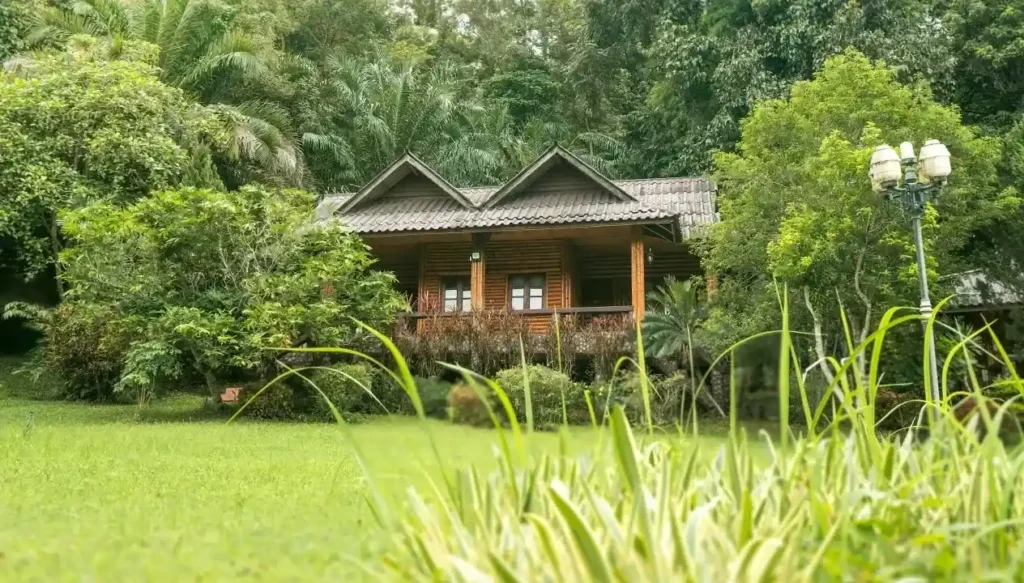
[IMAGE PLACEMENT: alt=”Private residential rehabilitation facility Adelaide South Australia garden” – suggested subject: outdoor area or entrance of a private Adelaide rehabilitation facility]
Ramsay Clinic Adelaide
Ramsay Clinic Adelaide is a private hospital offering medically supervised detox, inpatient residential rehabilitation, day patient programs, and relapse prevention. As a private hospital, it has on-site medical oversight for withdrawal management – making it the appropriate choice for moderate to severe physical dependence on alcohol, benzodiazepines, or opioids. Private health insurance with hospital cover typically contributes significantly to inpatient costs. Continuing care and community outreach services support the transition after inpatient treatment. Contact directly for current availability and cost estimates.
The Adelaide Clinic
The Adelaide Clinic in Gilberton is an accredited private hospital providing assessment and treatment for substance use disorders alongside co-occurring mental health conditions including depression and anxiety. The clinical approach includes mental health professional assessment, medical management of withdrawal and cravings, and an ongoing group therapy day program. Private health insurance applies to hospital-based components. Contact: (08) 8269 8100. See: adelaideclinic.com.au
The Manor Born Program
The Manor Born is a privately owned seven-bed residential program in Clarendon in the McLaren Vale area, approximately 40 minutes south of Adelaide. It offers inpatient, day patient, and outpatient care with individual, group, and family counselling. The smaller scale and semi-rural location suit clients for whom a quieter, more contained residential environment is preferable to a hospital-based setting. Contact: (08) 8383 7113. See: addictioncounsellingservices.com
How SA Rehab Licensing and Regulation Works
Government-funded residential programs in South Australia operate under SA Health oversight and are subject to contractual quality standards administered through Drug and Alcohol Services SA (DASSA). The Adelaide Clinic and Ramsay Clinic Adelaide are accredited private hospitals, subject to Australian Council on Healthcare Standards (ACHS) accreditation. Non-government organisations receiving government funding operate within contractual performance requirements.
Private standalone programs not receiving government funding and not operating as registered hospitals are subject to less formal regulatory oversight. The practical implication is that quality varies and direct verification of clinical governance, staff qualifications, medical access, and aftercare planning is warranted before committing to any private program outside the accredited hospital system. Asking directly about these elements is not intrusive – reputable programs answer clearly.
Why Some South Australians Choose Treatment Abroad
When domestic barriers – cost, waiting time, or the need for environmental separation from the home environment – make local treatment impractical, some South Australians evaluate international residential treatment. The decision is practical rather than aspirational, and the same clinical quality standards apply regardless of geography: accreditation, staff qualifications, medical oversight, and aftercare planning.
The cost difference is real. Australian private residential programs in Adelaide run from $15,000 to $40,000 for a 28-day stay. International residential programs in Thailand cost meaningfully less for a comparable stay, including accommodation, treatment, and meals – the Thailand rehab cost breakdown covers current figures by program length. For clients who cannot access sufficient superannuation or do not hold relevant private health insurance, this cost gap is often the determining factor. The second factor is timing: international programs frequently offer near-immediate availability, which matters when a person is ready to act and a multi-month public waitlist or a private cost barrier would otherwise defer that decision.
The pattern that comes up most often: someone has managed escalating use through outpatient support for a year or more, a relapse makes the family conclude residential treatment is necessary, and the realistic Adelaide options are a wait of weeks for a public bed or a large upfront private cost. International treatment removes both constraints at once rather than forcing a choice between them.
Siam Rehab is a non-12-step residential program in Chiang Rai, Thailand with a maximum of 18 clients, offering individual and group therapy, dual diagnosis assessment, and a documented aftercare plan before discharge. Program length runs from four weeks upward, and admission is typically confirmed within days of an initial assessment call rather than after a multi-week wait.
A full overview of rehab in Thailand for Australians covers clinical structure, accreditation, and practical logistics. For a broader comparison of residential treatment options across all Australian states, the Australia rehab guide provides state-by-state context.
If cost or timing is preventing access to treatment and residential care is clinically appropriate for your situation, contacting the Siam Rehab admissions team to confirm availability and fit requires no commitment.
What Residential Rehab Involves
Program quality is determined by clinical structure, not location. Across public, private, and international residential programs, the elements that produce lasting outcomes are consistent.
The first phase is stabilisation. For alcohol or benzodiazepine dependence, this means medically supervised withdrawal. Clinical guidelines are clear that alcohol withdrawal can be medically serious – seizure risk and other complications require monitoring and, in most cases, pharmacological management. This phase requires a program with on-site or on-call medical oversight. Stimulant withdrawal is less medically dangerous but involves significant psychological dysregulation that benefits from a supervised environment. Programs without medical capacity are unsuitable for moderate to severe physical dependence.
The second phase is active therapeutic work. Evidence-based programs integrate cognitive-behavioural approaches to identifying and modifying patterns that sustain substance use, individual counselling, group therapy, and skills development for emotional regulation and relapse prevention. Dual diagnosis treatment – addressing co-occurring mental health conditions alongside addiction – is a clinical standard in well-resourced programs. Research in addiction medicine consistently shows that addressing underlying depression, anxiety, or trauma alongside substance use produces significantly better long-term outcomes than treating substance use alone.
The third element is aftercare. The period immediately following residential treatment carries the highest relapse risk. Well-run programs establish confirmed outpatient referrals, peer support connections, and post-discharge contact before the client leaves. For South Australians completing treatment interstate or internationally, this means coordinating with SA community health services and GP follow-up as part of the discharge plan.
How to Access Residential Rehab in South Australia
- Step 1: Determine whether medical withdrawal management is needed. Alcohol, benzodiazepine, and opioid dependence typically require medically supervised withdrawal. Your GP can assess this. If withdrawal management is needed, programs without hospital-grade medical oversight are not appropriate as a first step.
- Step 2: For public programs, contact ADIS. Call 1300 13 1340 (8:30am to 10:00pm daily). A counsellor assesses your situation and coordinates referral. Ask directly about current wait times for New ROADS and other residential programs. Self-referral is accepted at most facilities.
- Step 3: For private or international programs, contact directly. The Adelaide Clinic and Ramsay Clinic handle direct enquiries; no GP referral is required for initial contact. International programs similarly conduct intake assessments directly. Ask whether superannuation access support is available if cost is a barrier.
- Step 4: Verify clinical capacity before committing. Confirm medical oversight availability for withdrawal, staff qualifications, dual diagnosis capability, and what aftercare is included – not presented as optional.
- Step 5: Act while motivation is present. The decision to seek residential treatment is easier to follow through on immediately than after delay. Practical logistics – informing an employer, arranging leave, managing domestic responsibilities – are easier to organise while motivated. Deferral does not improve the decision; it reduces the likelihood of following through.
Common Concerns
“I can’t afford private treatment and the public waitlist is too long.” Superannuation early release applies nationally. The ATO allows compassionate release for medical treatment that cannot be funded by other means, and drug and alcohol residential rehabilitation qualifies. Applications go directly to the ATO without a fee. Processing takes several weeks, so applying early is advisable. Where private health insurance is held, hospital-based programs at The Adelaide Clinic or Ramsay Clinic Adelaide may be substantially covered. International residential treatment is typically more accessible than domestic private programs at $15,000 to $40,000 – see the Thailand rehab cost breakdown for current figures.
“I need a program that understands co-occurring mental health issues.” Both The Adelaide Clinic and Ramsay Clinic Adelaide have psychiatric capacity for dual diagnosis. New ROADS also integrates mental health assessment within its residential program. When evaluating any program, ask specifically whether dual diagnosis is assessed and treated within the program or referred out – integration within the residential stay produces better outcomes than parallel-but-separate treatment.
“Is there anything for younger people?” Tumbelin Farm (Adelaide Hills, ages 16 to 24) and Teen Challenge SA (Maylands) both provide residential programs specifically designed for young people. Eligibility criteria differ – Tumbelin Farm focuses on adventure therapy in a therapeutic community setting; Teen Challenge SA uses a faith-based model. ADIS can advise on which program is appropriate based on the individual’s situation.
Frequently Asked Questions
How long are public rehab waitlists in South Australia?
Wait times vary by program, location, and current demand. New ROADS operates across multiple sites, which gives some flexibility – wait times at regional sites in Mt Gambier, Whyalla, or the Riverland may differ from Adelaide metropolitan programs. ADIS (1300 13 1340) can give current estimates at the point of assessment. Active dependence during a waiting period involves ongoing medical risk, which is worth discussing with a GP if the expected wait is extended.
Does private health insurance cover residential rehab in South Australia?
For accredited hospital-based programs – The Adelaide Clinic and Ramsay Clinic Adelaide – most private health insurance policies with hospital or psychiatric cover will contribute significantly to costs, typically leaving a gap payment. For non-hospital residential programs, most insurers provide minimal or no coverage. Checking your policy’s specific mental health and rehabilitation benefits with your insurer before committing is essential.
Can I use superannuation to fund rehab in SA?
Yes. The ATO’s compassionate release provisions allow early superannuation access for medical treatment that cannot be funded by other means. Drug and alcohol residential rehabilitation is an approved category. Applications go directly to the ATO at no cost, though some companies offer assisted applications for a fee. Processing typically takes several weeks – applying early in the planning process is advisable if this pathway is needed.
Is residential rehab voluntary in South Australia?
Yes. Residential addiction treatment in South Australia is voluntary. Self-referral is the standard pathway for most programs. Drug Court and magistrate-directed diversionary programs involve mandated participation as a legal condition, but that is a distinct pathway. Standard residential rehabilitation is entered and continued by choice.
What is dual diagnosis and which SA programs offer it?
Dual diagnosis refers to co-occurring substance use disorder and a mental health condition – commonly depression, anxiety, PTSD, or personality disorder. Research consistently shows that treating substance use without addressing the co-occurring condition produces poor long-term outcomes. The Adelaide Clinic and Ramsay Clinic Adelaide both have specialist psychiatric capacity. New ROADS integrates mental health support. When evaluating any program, ask specifically about dual diagnosis assessment and treatment within the residential stay.
Are there programs specifically for Aboriginal clients in SA?
Yes. Back on Track (Aboriginal Drug and Alcohol Council SA, Adelaide) and Lakalinjeri Tumbetin Waal (Aboriginal Sobriety Group, Monarto) both provide culturally informed residential programs. Back on Track accepts both Aboriginal and non-Aboriginal clients. LTW is specifically for Aboriginal men. ADIS can provide referral advice for clients seeking culturally appropriate residential care.
Untreated Dependence Doesn’t Stay the Same Size
Each month of delay makes intervention more complex, not less. A clinical assessment call with Siam Rehab’s admissions team takes 15 minutes, requires no commitment, and can confirm program fit, current availability, and total cost.


'/%3E%3Cpath%20fill='%23b2b2b2'%20d='M241%20382q0%2016%2017%2026%2017%2011%2042%2011t42-11q16-11%2017-26V269H241'/%3E%3Cpath%20fill='%239f7e00'%20d='M241%20379q0%2014%208%2023%209%209%2021%209%2014%200%2021-9%209-9%209-23V269h-59'/%3E%3Cpath%20d='M241%20339v-70h59v110q0%2014-9%2023l-6%205v-68h-15v72q-8%200-14-4v-68zm59%2040c0%2022%2015%2032%2029%2032%2021%200%2030-18%2030-32v-40h-59'/%3E%3Cpath%20fill='%239f7e00'%20d='M266%20277v5h2v12h-3v-5h2v-5h-9v5h2v5h-4v9h3v18h-5v10h34v-10h-5v-18h3v-9h-4v-5h2v-5h-9v5h2v5h-3v-12h2v-5zm42%20101q0%2010%206%2017%206%206%2015%207%2010-1%2016-7%206-7%206-17v-29h-43'/%3E%3Ccircle%20fill='%230044ad'%20cx='329.5'%20cy='372'%20r='6'/%3E%3Cellipse%20fill='%230044ad'%20cx='300'%20cy='340'%20rx='16'%20ry='21'/%3E%3C/svg%3E)