
What Is It Like Quitting Meth?
Methamphetamine is a highly addictive central nervous system stimulant. Although it is illegal in most countries, it remains widely available in many regions. Methamphetamine is commonly found in crystal or powdered form and may be smoked, snorted, or injected. Because meth can produce rapid tolerance, compulsive use patterns, and significant psychological symptoms, quitting often requires professional support through detox and structured rehab.
Meth use also frequently overlaps with other behavioral and mental health patterns that increase relapse risk. For example, stimulant use commonly co-occurs with other substance use patterns such as how alcohol use escalates over time, and withdrawal-related mood symptoms often overlap with clinical depression, including patterns seen in post-traumatic stress and related dysregulation. Addressing these factors together is often necessary for sustained recovery.
What Is It Like Quitting Meth Cold Turkey?
Methamphetamine causes a rapid release of neurotransmitters such as dopamine and serotonin, which can produce short-term feelings of energy, confidence, alertness, and euphoria. It can also suppress appetite and reduce perceived need for sleep. With ongoing use, the brain adapts, and the user may require more frequent dosing to reach the same effect.
People who use meth heavily or continuously may enter a state sometimes referred to as “tweaking”, which can involve extended periods with minimal sleep or food intake. During this time, judgment can deteriorate and individuals may experience paranoia, hallucinations, or dissociation.
Because meth use is often followed by a pronounced “crash”, cravings and compulsive redosing can develop quickly. Attempting to quit meth abruptly, without support, can be intensely uncomfortable and is not recommended. While some individuals do quit without treatment, relapse risk is high due to withdrawal symptoms, impaired sleep, and mood instability.
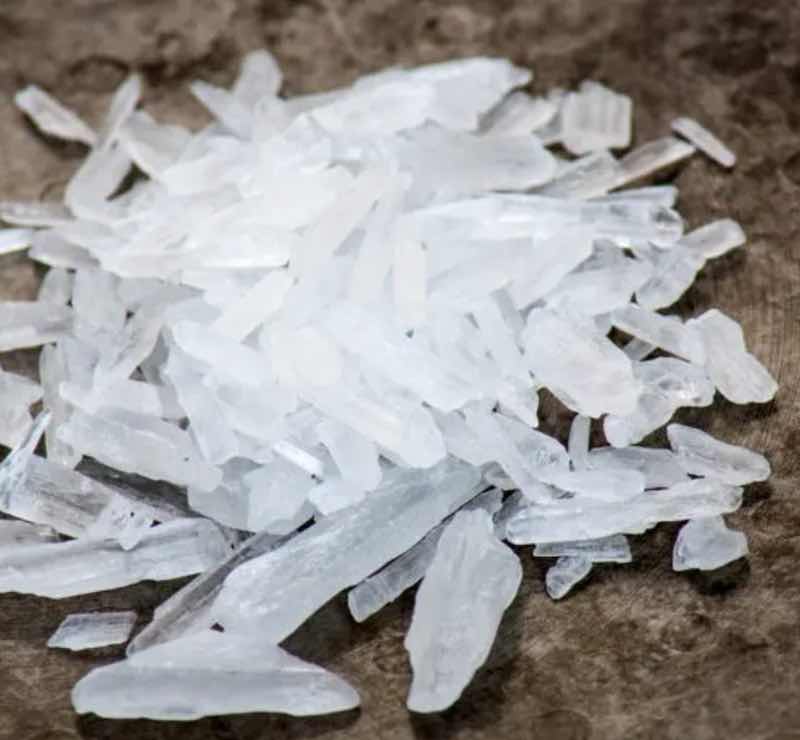
Quitting Meth Cold Turkey
Many people attempt to quit meth without professional care at least once. Due to the intensity of cravings, the disruption to sleep and mood, and the strength of the habitual routine around use, relapse is common when quitting is attempted alone.
Withdrawal symptoms typically begin within 24 hours after stopping, though timing can vary. In addition to physical symptoms, quitting also requires breaking the behavioral routine associated with obtaining and using meth. Common withdrawal symptoms include:
- Cravings for meth
- Depression
- Anxiety
- Irritability
- Mood swings
- Sweating
- Chills
- Insomnia
- Nightmares
- Severe fatigue
- Increased appetite
- Anhedonia (reduced ability to feel pleasure)
- Paranoia or psychosis (in some cases)
Withdrawal duration is influenced by multiple factors, including:
- Length of meth use
- Typical amount and frequency of use
- Genetics, personal history, and mental health conditions
The most intense symptoms, often described as the acute withdrawal phase, commonly last about 7 to 12 days. However, some effects, including low mood and reduced motivation related to dopamine system disruption, can persist for weeks or months.
The Phases of Meth Withdrawal
Withdrawal patterns vary, but many individuals experience three broad phases:
Phase One – This phase often begins shortly after stopping. Fatigue, increased sleep, increased appetite, and depressed mood are common. Concentration may be poor, and emotional regulation may be difficult. While meth may no longer be producing its acute effects, it can remain detectable in the body for several days.
Phase Two – Cravings often intensify during this period. Many individuals describe a strong sense that they “need” meth to function. This is a high-risk relapse window and can last 10 days or longer, depending on severity and overall stability.
Phase Three – In this longer phase, many symptoms gradually improve. Cravings may still occur but tend to be less constant and more episodic. Mood and sleep can continue to stabilize over time, though setbacks may occur, especially under stress or exposure to triggers.
These phases are also why program length matters more for meth than for most substances. A two-week stay ends somewhere in the middle of Phase Two, at the point where cravings peak and relapse risk is highest. Programs built around this timeline run longer for that reason, and how inpatient meth rehab is structured explains what the stabilization period actually covers.
Why Go to Detox and Rehab for Meth Addiction?
Although it is possible to quit meth without professional support, it is not the safest or most reliable approach. Medically supervised detox and inpatient rehab provide monitoring, structure, and clinical support that reduce relapse risk and address both physical and psychological symptoms.
In a structured program, patients may work with psychologists, psychiatrists, therapists, counselors, nurses, and other clinicians. Treatment focuses on managing withdrawal symptoms, stabilizing sleep and mood, reducing cravings, identifying drivers of use, and building coping strategies for long-term recovery. If you would like to learn more about treatment options, you can contact Siam Rehab to discuss appropriate next steps.


