
If you are dealing with Drug Addiction to Yaba or any other drug or alcohol, we can help. An amazing addiction treatment center in Thailand.
Yaba is a methamphetamine-based stimulant tablet, typically containing 25 to 35mg of methamphetamine hydrochloride combined with 45 to 65mg of caffeine, produced mainly in Myanmar and widely circulated across Thailand, Bangladesh, and neighboring countries. Its name means “crazy medicine” in Thai, reflecting the severe behavioral disturbances associated with heavy use. Addiction develops quickly, often within weeks of regular use, and withdrawal can include intense cravings, depression, and psychosis-like symptoms that persist for months after stopping.
Yaba Drug Information Summary
| Category | What to know |
|---|---|
| What it is | A synthetic stimulant tablet containing methamphetamine and caffeine, commonly called “crazy medicine” in Thai. |
| Main ingredients | Approximately 25-35 mg methamphetamine hydrochloride and 45-65 mg caffeine, plus binders and potential adulterants. |
| Common use methods | Inhalation via heated foil (“chasing the dragon”), oral ingestion, or less commonly, injection. |
| Immediate effects | Euphoria, increased energy, heightened alertness, reduced appetite, and prolonged wakefulness. |
| Short-term side effects | Anxiety, agitation, nausea, dry mouth, sweating, insomnia, and irritability during the crash phase. |
| Long-term risks | Addiction, cognitive impairment, cardiovascular damage, dental deterioration, and increased stroke risk. |
| Withdrawal | Fatigue, depression, intense cravings, sleep disturbances, and possible prolonged psychological symptoms. |
| Addiction risk | High; tolerance develops rapidly, and dependence can emerge within weeks of regular use. |
| Treatment | Medically supervised detox, behavioral therapy, inpatient rehabilitation, and long-term aftercare support. |
The Physical and Psychological Effects of a Yaba Addiction
Ask anyone in Thailand about yaba; most likely, they will tell you that it can make a person go crazy. Even so, this powerful stimulant is heavily abused throughout Thailand and the surrounding countries. Produced in Myanmar and smuggled illegally across borders, yaba addiction is a serious issue with many people in Asia highly addicted to the drug. The drug is cheap and readily available, contributing to widespread public health challenges.
Prior to 1970, yaba could legally be purchased in Thailand shops. Late night workers and truck drivers would use it to stay awake and make more money. Now the drug is illegal, but the use of it by Thai people and foreigners/expats alike has increased significantly.
What is Yaba?
The term Yaba translates to “crazy medicine” in Thai, reflecting both its potent psychoactive properties and the behavioral disturbances associated with its misuse. Chemically, yaba is a synthetic formulation combining approximately 25-35 mg of methamphetamine hydrochloride with 45 to 65 mg of caffeine. This specific ratio is designed to amplify stimulant effects while masking some of methamphetamine’s harsher physiological impacts. The tablet form facilitates discreet transport and consumption, contributing to its widespread distribution across Southeast Asian drug markets.
Beyond the primary active ingredients, yaba tablets frequently contain binding agents, fillers, and potentially hazardous adulterants. Laboratory analyses have identified substances such as talc, lactose, and in some cases, residual solvents from the manufacturing process. More concerning are reports of tablets contaminated with household cleaning agents or, rarely, opioids like heroin. These unregulated additives significantly increase health risks for users, who often have no awareness of the tablet’s complete chemical composition.
What Does Yaba Look Like?
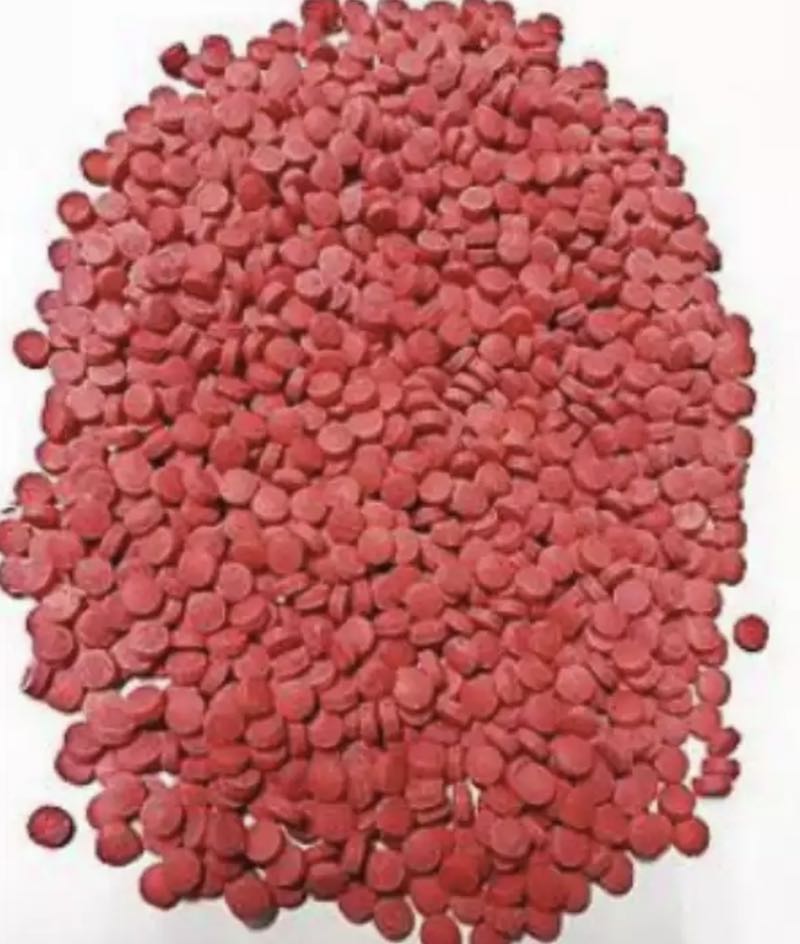
Yaba tablets are typically small, round, and approximately 6-8 mm in diameter, resembling common over-the-counter medications. The most prevalent colors are red and orange, though green, pink, yellow, and white variants exist depending on the production batch and intended market. Many tablets bear distinctive logos or imprints, such as “R,” “999,” “Double U,” or cartoon-like symbols, which serve as brand identifiers within illicit distribution networks.
Packaging varies widely based on distribution scale. Individual tablets may be sold loose or in small plastic bags, while larger quantities are often compressed into bricks wrapped in plastic or foil. Street-level transactions frequently involve tablets sold singly or in strips of ten. The consistent physical appearance across batches helps users identify perceived quality, though visual inspection cannot verify actual methamphetamine content or detect dangerous adulterants.
How Yaba Is Used
The most common method of yaba consumption in Southeast Asia involves heating the tablet over foil and inhaling the vapor through a straw or tube, a practice known as “chasing the dragon.” This method allows rapid absorption of methamphetamine through the lungs, producing effects within minutes. The technique requires minimal equipment and is easily concealed, contributing to its popularity among users.
Oral ingestion represents the second most frequent route of administration. Users may swallow tablets whole or crush and mix them with beverages. While oral consumption produces a slower onset of effects compared to inhalation, the duration of action may be extended. A smaller subset of users inject dissolved yaba intravenously, which carries significantly elevated risks including infection, vein damage, and bloodborne disease transmission. Regardless of administration method, patterns of use often escalate from occasional experimentation to compulsive, high-frequency dosing.
Immediate Effects of Yaba
Within minutes of consumption, yaba produces pronounced stimulant effects mediated by increased dopamine and norepinephrine activity in the central nervous system. Users commonly report an initial sense of light-headedness followed by euphoria, heightened confidence, and increased sociability. Physical sensations include elevated energy levels, reduced perception of fatigue, and enhanced alertness that may persist for several hours.
Additional acute effects include suppressed appetite, increased heart rate, elevated blood pressure, and dilated pupils. Many users experience heightened focus and motivation for repetitive tasks, which historically contributed to the drug’s misuse among laborers and drivers seeking extended work capacity. These reinforcing effects drive repeated dosing, with some individuals consuming between 5 and 30 tablets daily to maintain the desired state or avoid emerging withdrawal symptoms.
How Long Do Yaba Effects Last?
The duration of yaba’s effects depends on dosage, administration method, and individual physiology. When inhaled via heated foil, onset typically occurs within 5-10 minutes, with peak effects reached at 15-30 minutes. Oral ingestion produces a slower onset, usually 30-60 minutes, but may extend the overall duration of action.
Acute stimulant effects generally persist 4-8 hours, though subjective experiences vary. Following the peak, users often enter a “crash” phase characterized by fatigue, irritability, and dysphoria. Residual effects on sleep architecture, mood regulation, and cognitive function may continue for 24 hours or longer after last use. Frequent redosing to avoid the crash can lead to prolonged wakefulness lasting multiple days, significantly increasing health risks.
Short-Term Side Effects
As the acute stimulant effects diminish, users frequently experience a “crash” characterized by unpleasant physiological and psychological symptoms. Common short-term side effects include:
- Intense irritability, agitation, or anger
- Severe anxiety or panic-like sensations
- Nausea, vomiting, or gastrointestinal discomfort
- Excessive sweating, hot flashes, or chills
- Dry mouth and increased thirst
- Headaches and muscle tension
- Tremors or involuntary muscle movements
These symptoms typically emerge within hours of last use and may persist for 24-48 hours. The discomfort associated with the crash often motivates users to redose prematurely, accelerating the development of tolerance and dependence.
Long-Term Effects of Yaba Use
Chronic yaba consumption produces progressive alterations in brain structure and function. Repeated methamphetamine exposure dysregulates dopamine signaling pathways, reducing the brain’s natural capacity to experience pleasure from everyday activities. This neuroadaptation underlies the development of anhedonia, a condition where individuals struggle to feel satisfaction without drug use.
Cognitive impairments commonly emerge with prolonged use, including deficits in attention, memory consolidation, and executive functioning. Users may experience difficulty concentrating, making decisions, or controlling impulses. Cardiovascular adaptations include persistent hypertension, arterial stiffening, and increased risk of cardiac arrhythmias. The combination of neurological and systemic damage significantly elevates long-term morbidity and reduces quality of life even after cessation of use.
The Psychological Effects of Yaba Abuse
One of the most alarming effects of yaba abuse and addiction is the mental health problems which can be associated with both prolonged and even short term use. A person may display extreme paranoia or confusion. Anxiety, aggression and violence are all possibilities which is why crime often goes hand in hand with yaba abuse. Rehab centers have also reported many addicts experiencing hallucinations or feelings of bugs crawling underneath the skin. Due to energy rushes, a yaba abuser may suffer from insomnia and nightmares. As a result of the extreme highs and lows, depression and suicidal tendencies are common.
Psychiatric complications may persist beyond acute intoxication. Methamphetamine-induced psychosis, characterized by delusions, auditory or visual hallucinations, and disorganized thinking, can endure for weeks or months after last use. Individuals with pre-existing mental health conditions face heightened vulnerability to symptom exacerbation. The interplay between substance use and psychiatric symptoms often complicates diagnosis and treatment, necessitating integrated care approaches.
Physical Effects of a Yaba Addiction
The physical effects of yaba abuse resemble those of a methamphetamine addiction. Rapid heart rate, increased blood pressure and damage to blood vessels in the brain (which can cause a stroke) are synonymous with occasional and regular yaba use. Over time, the lining of the heart and tissue of the lung can become inflamed. Hair loss, skin ruptures, kidney and liver damage, infection of the esophagus, seizures, tremors, stroke and heart attacks are all symptoms which could appear without seeking the help of a yaba treatment center.
The majority of users will orally take yaba; however, there is a small percentage who inject the drug. This opens up the possibility for contracting infectious diseases like HIV, hepatitis and STDs through unprotected sex. Additional physical complications include severe dental deterioration (“meth mouth”), malnutrition due to appetite suppression, and dermatological issues from compulsive skin picking. Chronic sleep disruption further impairs immune function and wound healing, creating a cycle of declining physical health.
Signs of Yaba Addiction
Identifying yaba addiction early can facilitate timely intervention. Common behavioral and physiological indicators include:
- Escalating dose or frequency of use to achieve desired effects
- Intense cravings or preoccupation with obtaining and using yaba
- Repeated unsuccessful attempts to cut down or stop use
- Significant sleep disruption, including prolonged wakefulness followed by excessive sleep
- Mood instability, including irritability, anxiety, or unprovoked aggression
- Neglect of work, academic, or family responsibilities
- Continued use despite awareness of physical or psychological harm
- Emergence of paranoia, suspiciousness, or social withdrawal
These signs often develop gradually. Family members or friends may notice changes in appearance, behavior, or priorities before the individual acknowledges a problem. Professional assessment by an addiction specialist provides the most reliable evaluation of substance use severity.
Why Yaba Is Common in Southeast Asia
Yaba is considered to make up approximately 50% of the world’s stimulant-like drug abuse. Over the past five years, yaba has made its way from Myanmar and Thailand into Cambodia and most recently Bangladesh. The Golden Triangle region, encompassing parts of Myanmar, Laos, and Thailand, has historically served as a major production hub for illicit amphetamine-type stimulants. Political instability, limited law enforcement resources, and porous borders facilitate large-scale manufacturing and trafficking operations.
Not a week goes by without a report of a major drug bust on the border of Myanmar. In April 2023, BDNews24 reported a Yaba seizure of 200,000 pills. At a major Bangladesh port in 2014, 1.1 million yaba tablets were seized from smugglers. The drug has gained wider exposure beginning with wealthy people and those in the entertainment industry to most recently young university students and blue collar workers. In addition to yaba abuse in Bangladesh, this drug is seen as being a new trend in Australia, the Philippines, the West Coast of the USA and even Europe.
The supply in Thailand is so high that the ThaiEnquirer reported in Aug 2022 that the price has been pushed down to 10 to 20 baht (30 to 60 cents) per tablet. With constant headlines like below.
- July 6th – 4.7 million methamphetamine pills were seized in Lampang province
- July 11th – 1 million pills of methamphetamine were seized in Wiang Chiang Rung district of Chiang Rai
- July 24th – 631 kilograms of crystal methamphetamine (also known as ice) was seized in Songkhla province.
Yaba vs Methamphetamine
While yaba contains methamphetamine as its primary psychoactive component, important distinctions exist between yaba tablets and other methamphetamine formulations. Yaba refers specifically to compressed tablets combining methamphetamine with caffeine and fillers, designed for oral consumption or inhalation. In contrast, “crystal meth” or “ice” denotes high-purity methamphetamine hydrochloride in crystalline form, typically smoked, injected, or snorted.
The caffeine content in yaba modifies the subjective experience, potentially reducing some of methamphetamine’s peripheral side effects while extending duration of action. However, this combination does not diminish addiction potential or long-term health risks. Both formulations produce comparable neurotoxic effects with chronic use. Understanding these distinctions aids in accurate clinical assessment and targeted public health messaging across different regional drug markets.
These formulation differences also change what treatment has to account for. Someone who started on yaba tablets and moved to smoking ice is using the same drug at higher purity through a faster route, which typically produces heavier binge cycles and a longer stabilization period. The clinical protocol does not change by formulation, but the severity assessment does, and that assessment is what sets program length in ice and crystal meth rehab in Thailand.
Is Yaba Addictive?
Yaba possesses high addiction potential due to methamphetamine’s potent effects on brain reward pathways. Repeated use triggers neuroadaptations that reinforce drug-seeking behavior and diminish sensitivity to natural rewards. Tolerance develops rapidly, requiring larger or more frequent doses to achieve desired effects. Psychological dependence emerges as users associate yaba with coping, productivity, or social functioning.
Physical dependence manifests when the body adapts to the drug’s presence, resulting in withdrawal symptoms upon cessation. The combination of intense cravings, negative emotional states during abstinence, and environmental cues associated with use creates a powerful cycle of relapse. Addiction severity varies based on frequency of use, dosage, individual biology, and psychosocial factors, but even intermittent use carries significant risk of progression to compulsive patterns.
While the individual risks of long-term use are significant, the impact does not stop at the user level. The wider social consequences include increased crime, pressure on healthcare systems, and long-term damage to families and communities; you can explore these broader patterns in this overview of how yaba affects society.
Yaba Withdrawal
Yaba, or any methamphetamine like drug, is dangerous in all forms. It has a high potential of dependence and with chronic use, the individual will go through a withdrawal. The initial symptoms of a yaba withdrawal can be very unpleasant and last for several days. These can include agitation, confusion, irritability, excessive sleeping, cold sweats, constant crying, emotional influx and thoughts of suicide. Because many of these can be so intense, the guidance of a yaba rehab is advised. Once these symptoms subside, a person could have psychosis like feelings which can last for months.
Withdrawal typically progresses through phases. The initial “crash” involves fatigue, increased appetite, and dysphoria lasting 2-4 days. An acute withdrawal phase follows, characterized by depression, anhedonia, sleep disturbances, and intense cravings persisting 1-3 weeks. A protracted phase may include intermittent cravings, mood instability, and cognitive difficulties for months. Medical supervision during withdrawal enhances safety and comfort, particularly for individuals with co-occurring mental health conditions.
How Long Can Yaba Stay in the Body?
Detection windows for yaba vary considerably based on multiple factors including dose, frequency of use, individual metabolism, body composition, route of administration, and the type of drug test employed. Methamphetamine and its metabolites can be identified in biological samples for differing periods.
Urine testing, the most common screening method, may detect methamphetamine metabolites for approximately 1-4 days after occasional use, though chronic heavy use can extend this window to 5-7 days or longer. Blood tests typically identify the parent drug for 12-24 hours. Saliva testing offers a similar detection window to blood, generally up to 1-2 days. Hair follicle testing can potentially reveal methamphetamine exposure for up to 90 days, though this method reflects historical use rather than recent intoxication. These ranges are estimates; individual results vary and should not be interpreted as precise timelines.
Before starting treatment for yaba addiction, it is important to understand how admission is handled in practice, including screening, placement, and coordination. See how to get into rehab to clarify the process.
Getting Help at a Yaba Treatment Center
An addiction to yaba is extremely serious. Due to the mental health implications quitting can have, anyone with an addiction should seek the support of a private rehab for yaba. These inpatient drug rehab programs will allow the user to be treated with respect and compassion. The yaba withdrawal will be monitored, internal issues will be worked through and healing will begin. For information on various substance abuse types, you can refer to our guide.
Effective treatment for yaba addiction typically involves a comprehensive, multi-phase approach. Medically supervised detoxification manages acute withdrawal symptoms and ensures physiological stability. Behavioral therapies, including cognitive behavioral therapy (CBT) and contingency management, address maladaptive thought patterns and reinforce sober behaviors. Inpatient rehabilitation provides structured support, removing environmental triggers while individuals develop coping skills and relapse prevention strategies.
Long-term recovery often incorporates ongoing outpatient counseling, peer support groups, and family therapy to rebuild social connections and address underlying psychosocial factors. Treatment plans should be individualized, considering co-occurring mental health conditions, trauma history, and cultural context. With appropriate support, individuals can achieve sustained recovery and improved quality of life following yaba addiction.
Once considering recovery options, understanding how admission works becomes critical for avoiding delays and ensuring appropriate placement. See how to get into rehab for a structured overview.
Conclusion: Understanding Yaba and Pathways to Recovery
Yaba is a methamphetamine-based stimulant tablet with significant potential for addiction and serious health consequences. Its combination of methamphetamine and caffeine produces powerful short-term effects that reinforce repeated use, while chronic consumption can lead to profound neurological, cardiovascular, and psychological harm. The drug’s prevalence in Southeast Asia reflects complex regional factors including production networks, trafficking routes, and socioeconomic conditions.
Despite these risks, recovery from yaba addiction is achievable. Evidence-based treatments address both the physiological aspects of dependence and the behavioral patterns that sustain use. Early intervention improves outcomes, but support remains valuable at any stage of substance use. Individuals concerned about their own use or that of a loved one are encouraged to consult qualified healthcare providers or addiction specialists for personalized guidance.
Frequently Asked Questions About Yaba
What is Yaba made of?
Yaba tablets primarily contain methamphetamine hydrochloride (25-35 mg) and caffeine (45-65 mg). Manufacturers may add binding agents like talc or lactose, flavorings, and colorants. Unfortunately, unregulated production sometimes introduces hazardous adulterants including residual solvents, heavy metals, or other drugs. The exact composition varies by batch and source, making each tablet potentially unpredictable in potency and safety profile.
How long do Yaba effects last?
The duration of yaba’s effects depends on dosage, administration method, and individual metabolism. When inhaled, onset occurs within minutes with peak effects at 15-30 minutes; oral ingestion produces slower onset (30-60 minutes) but potentially longer duration. Acute stimulant effects typically persist 4-8 hours, followed by a crash phase. Residual effects on sleep, mood, and cognition may continue for 24 hours or longer after use.
Is Yaba dangerous?
Yes, yaba poses significant health risks. Acute dangers include cardiovascular strain, hyperthermia, seizures, and acute psychosis. Chronic use is associated with addiction, cognitive impairment, dental deterioration, and increased risk of stroke or heart attack. The unpredictable composition of illicit tablets adds further uncertainty. Any non-medical use of methamphetamine-containing substances carries substantial potential for harm.
Is Yaba legal?
Yaba is illegal in Thailand, Bangladesh, Myanmar, and most countries worldwide. Methamphetamine is classified as a controlled substance under international drug conventions. Possession, distribution, or manufacture of yaba tablets can result in severe legal penalties including imprisonment. While enforcement varies by region, the legal status of yaba remains prohibitive across Southeast Asia and globally.
How addictive is Yaba?
Yaba has high addiction potential due to methamphetamine’s potent effects on brain reward pathways. Regular use can lead to dependence within weeks. Tolerance develops rapidly, prompting increased consumption. Psychological cravings and withdrawal symptoms upon cessation reinforce compulsive use patterns. Individual susceptibility varies, but no pattern of non-medical yaba use can be considered low-risk for addiction development.
Can people recover from Yaba addiction?
Yes, recovery from yaba addiction is achievable with appropriate treatment and support. Evidence-based approaches include medically supervised detoxification, behavioral therapies like CBT, and long-term aftercare planning. While neurocognitive recovery may take months, many individuals regain stable functioning and quality of life. Sustained recovery often involves addressing co-occurring mental health conditions and building supportive social networks.
What does Yaba mean?
Yaba is a Thai term that translates to “crazy medicine,” reflecting the drug’s association with severe behavioral and psychological disturbances. The name originated in Southeast Asia where the methamphetamine-caffeine tablet formulation became widely circulated. While the term is regionally specific, the substance falls under the broader category of amphetamine-type stimulants recognized globally.
Can Yaba cause psychosis?
Yes, yaba use can trigger methamphetamine-induced psychosis, particularly with high doses, frequent use, or in vulnerable individuals. Symptoms may include paranoia, delusions, auditory or visual hallucinations, and disorganized thinking. These psychiatric symptoms can emerge during acute intoxication or persist for weeks after cessation. Individuals experiencing psychosis require urgent medical evaluation and specialized psychiatric care.


