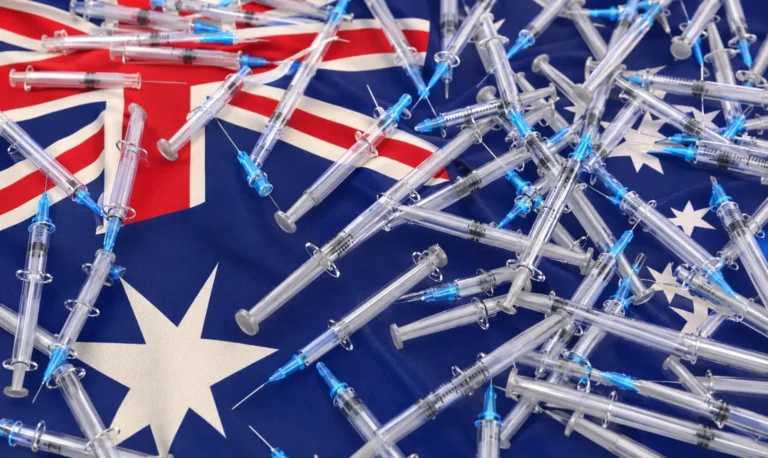
Australians choose Thailand for meth rehab primarily because Australian private programs are expensive and public treatment often involves long waits. Programs in Thailand provide faster admission, complete physical separation from the home environment and trigger network, and longer program durations at substantially lower overall cost.
Before weighing treatment options specifically for ice and methamphetamine, it helps to confirm what you’re actually looking at. Our guide on signs of drug addiction covers the physical, behavioural, and social markers across substances generally, useful context before narrowing in on ice-specific treatment below.
Is Ice Rehab in Thailand a Realistic Option for Australians?
It is a realistic option when domestic waiting lists exceed several weeks or private program costs are prohibitive. It is appropriate when you have used ice regularly for six or more months, have been unable to stop with informal support, and can commit to leaving Australia for at least twenty-eight days.
Programs in Thailand work for this population because they address the two factors that make outpatient and short-term options ineffective for most ice cases: daily proximity to the use environment, and insufficient time for the brain’s dopamine pathways to begin recovering baseline function. Addiction medicine research consistently identifies the first twenty-eight to ninety days as the highest-risk period for relapse and the window where intensive structured support produces the most durable results.
This option is not appropriate for people who require hospital-level medical stabilization before travel or who are under active legal restrictions preventing departure from Australia.
Who Ice Addiction Treatment in Thailand Is For
Consider this option if one or more of the following applies to your situation. Each indicates that the level of support available without a structured program is not matching the severity of the addiction.
- You have attempted to stop using ice at least once without sustained success, and outpatient or informal support has not been sufficient.
- Australian private program fees or waiting periods are not workable within your current situation.
- Physical separation from your current environment is a clinical priority – the people and locations connected to your use are difficult to avoid at home.
- You are also managing depression, anxiety, ADHD, or trauma alongside ice use, and need a program capable of addressing both simultaneously.
- Privacy is a significant concern – you need a period of treatment that does not create a visible record within Australian professional or social networks.
This option is not appropriate for people requiring acute psychiatric stabilization, who are medically unfit for air travel, or who are in active suicidal crisis. In those situations, a GP or addiction medicine specialist should advise on the right first step before any overseas travel is arranged.
Comparing Options for Ice Addiction – Thailand vs. Australia
Most Australians weighing this decision compare two main options: private treatment in Australia or an English-language program in Thailand. Public programs in Australia exist but typically involve long waits and deliver shorter durations than addiction medicine guidelines recommend for methamphetamine dependence of moderate to severe severity.
Damian Horth, an Australian client who had previously attended multiple programs in Australia before choosing Siam Rehab, wrote in his Google review: “I have been to multiple rehabs in Australia and all I can say is don’t waste your money, give yourself the best possible opportunity at a better life.” He described the counselors as genuinely invested beyond standard clinical obligation and noted that the program structure gave clients the freedom to discover what worked for them individually. (Google review, verified)
| Criteria | Private rehab in Australia | Rehab in Thailand |
|---|---|---|
| Typical wait time | Weeks to months | Generally shorter; varies by facility |
| Program cost | High; typically requires insurance or substantial savings | Substantially lower per program and per day |
| Program length | Shorter programs typical; longer options limited | Longer programs more accessible |
| Distance from triggers | Geographically close to home environment | Complete physical separation |
| Privacy | Recorded within Australian health system | No domestic record or network visibility |
A side-by-side comparison of Thailand and Australian rehab covers accreditation standards, clinical staffing, and what to evaluate when assessing any facility.
What a Program in Thailand Includes
Siam Rehab is a private facility in Chiang Rai, Thailand, licensed by the Thai Ministry of Public Health and operating programs for English-speaking international clients. Maximum capacity is 18 clients, with a counselor-to-client ratio of approximately 1:4-5 and an overall staff-to-client ratio of approximately 1:1.3.
The program includes medically supervised withdrawal management, individual therapy delivered a minimum of twice per week, structured group therapy, and a discharge plan covering the return to Australia. A consulting psychiatrist holds on-site clinic sessions weekly and is available via telehealth daily. Clinical assessment on arrival screens for co-occurring conditions – depression, ADHD, anxiety, and trauma are common in this population and are addressed alongside the addiction where present.
Understanding how methamphetamine and ice addiction is treated helps clarify what a program needs to include to be clinically effective. Distance from familiar use cues significantly reduces relapse pressure during early stabilization – the period when vulnerability is highest and structured support produces the greatest benefit.
What Ice Rehab in Thailand Costs for Australians
Cost is determined by three factors: program length, the level of medical support required during withdrawal, and accommodation type. At Siam Rehab, a four-week program starts from $12,000, an eight-week program from $22,000, and a twelve-week program from $31,500.
Longer programs produce better outcomes for methamphetamine dependence specifically, because the psychological work deepens significantly after the first two to three weeks of physical stabilization. Internal outcome data across 250 clients shows an average stay of 7.75 weeks, with 80% of clients voluntarily extending their initial program – a pattern that reflects where the clinical benefit actually accumulates.
Australian private health insurance generally excludes overseas treatment. Most Australians fund Thailand rehab through savings, family support, or superannuation early release under compassionate grounds provisions – eligibility is assessed by the Australian Taxation Office on a case-by-case basis and is not guaranteed. Siam Rehab maintains a domestic bank account in Australia, which allows clients to transfer funds locally. A Thailand rehab cost guide for Australians covers program fees, flight and transfer costs, and financing options.
How to Start Meth Addiction Treatment in Thailand
The process moves faster than most Australians expect. These steps apply from first contact through to arrival.
- Step 1: Submit an initial inquiry. Contact the facility by phone or online form. This establishes basic clinical suitability and takes under ten minutes. Medical records are not required at this stage.
- Step 2: Complete a clinical assessment call. A fifteen to thirty-minute conversation with an admissions clinician confirms suitability and identifies any medical factors relevant to travel.
- Step 3: Confirm a start date and secure your place. If assessment confirms suitability, a place is held with a deposit. Most clients confirm a date within forty-eight hours of first contact.
- Step 4: Arrange flights. Flights from Australian capital cities to Chiang Rai route through Bangkok. Do not book before the assessment call – arrival timing directly affects the medical intake plan.
- Step 5: Arrive and begin assessment. A team member receives you on arrival. Physical assessment begins the same day. The first forty-eight to seventy-two hours focus on stabilization before the full program begins.
Common Concerns About Overseas Ice Rehab
The first concern is clinical legitimacy. The relevant question is not whether legitimate care exists in Thailand – it does – but whether a specific facility will confirm its staff qualifications, licensing status, and program content directly when asked. Siam Rehab is licensed by the Thai Ministry of Public Health, employs a registered psychiatrist as Medical Director, and maintains Healthcare Accreditation compliance. Any facility worth attending will answer these questions clearly.
The second concern is time away. A twenty-eight-day absence is workable for most employed Australians. Medical certificates cover the period, and employers are not entitled to know the specific reason for medically certified leave. Untreated methamphetamine dependence costs more in employment, health, and relationships over time – and those costs accelerate the longer treatment is delayed.
The third concern is aftercare. Clinical guidelines identify the first ninety days after leaving structured care as the highest-risk period for relapse. Victoria Black, whose adult son completed a three-month program at Siam Rehab before returning to Australia, described the aftercare support in her Google review: “Whilst there is some way to go now he is home, getting used to living in the real world again, we know we can always seek advice and support from the good people at Siam.” She also noted that the dedicated counselor maintained weekly contact with the family throughout the program, providing honest progress updates. (Google review, verified)
Ask any facility you contact to describe the aftercare plan they produce for Australians returning home in concrete terms – a generic recommendation to continue therapy is not sufficient. The cost and logistics guide for Australians covers the practical questions without requiring any commitment to proceed.
Frequently Asked Questions
How long does ice or meth rehab in Thailand take?
Program lengths are typically twenty-eight, sixty, or ninety days, depending on severity, duration of use, and whether co-occurring conditions are present. Shorter programs cover physical stabilization but may not allow enough time for the psychological work to consolidate. Internal outcome data at Siam Rehab shows an average stay of 7.75 weeks across 250 clients, with the majority extending beyond the initial four-week program. The Australian guide to rehab in Thailand covers logistics for planning an extended stay.
Is it safe to fly to Thailand during or after ice withdrawal?
Travel should not occur during active withdrawal – this creates both medical risk and high relapse probability. Most people are stable enough to fly within twenty-four to forty-eight hours of stopping use, provided no complicating medical conditions are present. Do not book flights before completing the assessment call.
Does Australian private health insurance cover rehab in Thailand?
In most cases, no. Australian private health insurance policies generally exclude overseas treatment. Some policies reimburse outpatient therapy costs on return to Australia. Superannuation early release on compassionate grounds may be an option for some – eligibility is assessed by the Australian Taxation Office on a case-by-case basis and is not guaranteed at time of application.
Can my family contact me during treatment in Thailand?
Contact policies vary between facilities. Most restrict phone and internet access during the first one to two weeks to support initial stabilization, then allow scheduled contact after that period. Family involvement in the later stages of treatment is generally considered clinically beneficial. Confirm the specific policy during the assessment call before travel.
What support is available when I return to Australia after treatment?
Returning to the home environment is the highest-risk period in methamphetamine recovery. A well-designed program produces a written aftercare plan before discharge – identifying an ongoing therapist, local support options, and a protocol for early warning signs. Siam Rehab provides structured discharge planning and optional ongoing online counseling. Ask any facility to describe their aftercare process for returning Australians in concrete terms before committing.
Each month of untreated methamphetamine dependence narrows the window for effective intervention. A clinical assessment call with Siam Rehab takes fifteen minutes and requires no commitment to proceed. Contact the admissions team via the form on this page – availability is confirmed within twenty-four hours.


